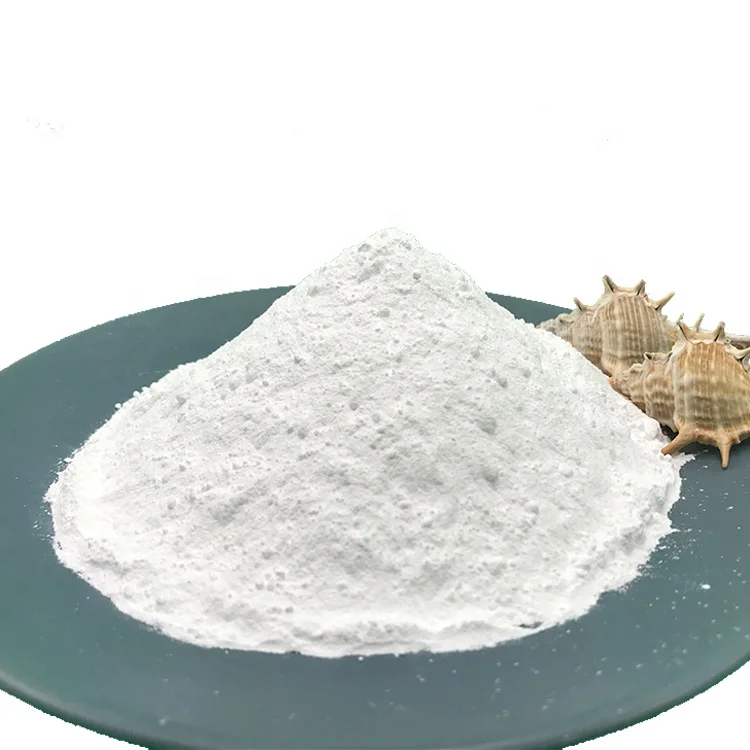
Industrial Talc Powder, 32% SiO2, with Multiple Mesh Grades for Material Evaluation
-
Particle-size designationMesh designationColorWhite
-
Physical formPowder
-
Product nameTalc PowderColorWhite Powder
-
CertificateISO 9001Mesh325/800/1000/1250/1500/3000
-
Whiteness (%)85-94SiO2 (%)32
-
Moisture (%)≤0.5Oil Absorption g/100g20-35
-
PH Value8-10GradeIndustrial Grade
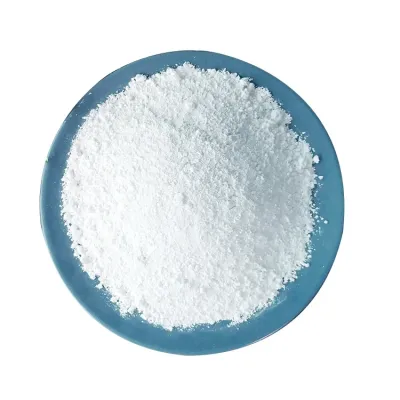
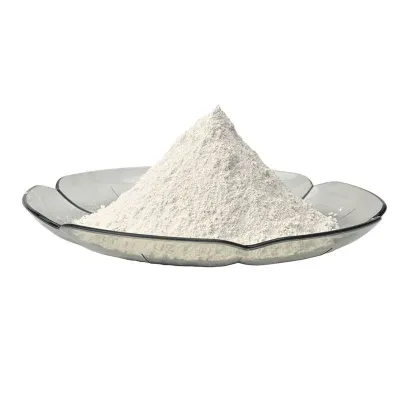
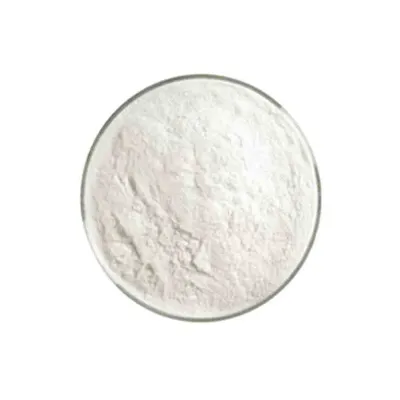
A mesh-specific enquiry gives an industrial talc comparison a useful starting point. This white powder has stated SiO2 content of 32%, moisture of 0.5% maximum and pH of 8–10. Its mesh designations include 325, 800, 1000, 1250, 1500 and 3000.
Identify the mesh grade needed by the process
Name the proposed grade in the sample request and describe the intended industrial application. Ask for the measured particle distribution and method associated with that selection. A mesh label should not be converted into an assumed median size or a universal process specification.
Use the composition report for the right question
The stated 32% SiO2 value is a composition parameter rather than a whole-talc purity figure. Request current mineral analysis and identify which constituents matter to the acceptance brief. Review moisture, pH and oil absorption on their own methods before comparing samples.
Define the sample's optical and impurity requirements
Ask for a whiteness result and reference method applicable to the grade being considered. If an asbestos-free requirement applies, obtain relevant analytical documentation for that material. A broad descriptive claim or general certificate label does not replace the specified test evidence.
Bring grade selection into the application trial
Agree on the processing and finished-material criteria before evaluating the selected talc sample. Keep the mesh designation, current analysis and required reports associated with the material actually tested. This lets the final selection follow a defined industrial requirement and a measured process result.