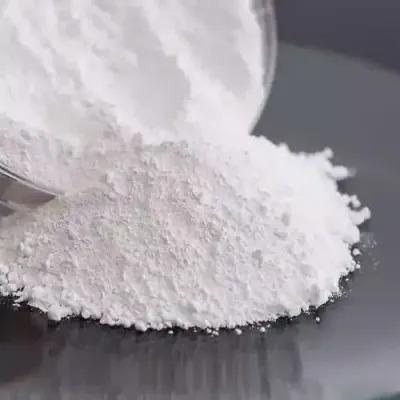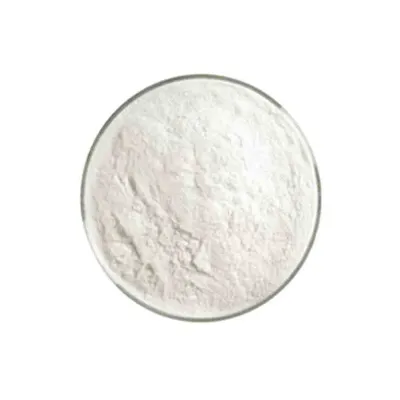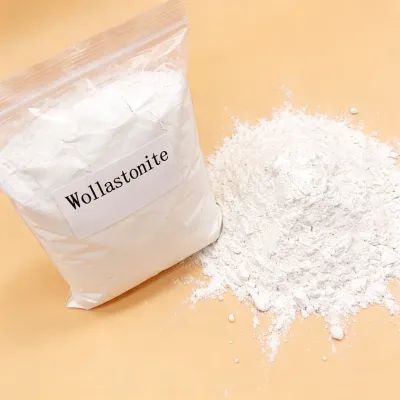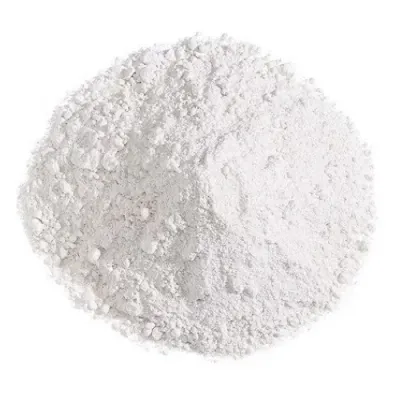
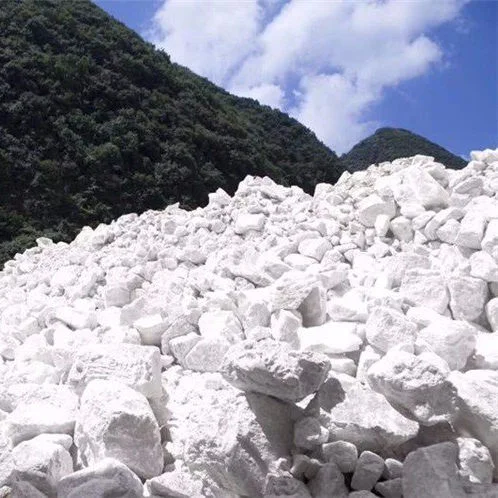
PCC Light Calcium Carbonate 96% CaCO3 Industrial Powder, Standard and Premium Option Comparison
-
ColorWhitePhysical formPowder
-
CAS No.471-34-1Purity96%
-
Appearancewhite superfine powerApplicationPaint, Plastic, Rubber, Paper Making, Building
-
ClassificationCarbonateEINECS No.207-439-9
-
Grade StandardIndustrial GradeMolecular FormulaCaCO3
-
Other Nameslight Calcium CarbonateTypeCalcium Carbonate
Separate the option label from the material specification when comparing this light PCC. Standard product and premium product are the actual model choices for an industrial precipitated calcium carbonate described as white superfine CaCO3 powder with stated purity 96%.
Ask for the measurements behind each proposed choice
Request current technical and analysis reports for the option being considered. Confirm which measured differences distinguish the choices instead of assuming a higher purity or performance from premium wording. Keep each report associated with its actual grade reference and sample.
Translate the physical requirements into tests
Ask for particle-distribution or sieve results with their methods. Superfine supplies no numerical grading, while white appearance does not establish a measured whiteness value.
- Confirm the stated purity and relevant impurities in current analysis.
- Request optical results using the method required for acceptance.
- Clarify treatment, moisture or oil absorption where the system needs them.
Use the actual application to decide between candidates
Paint, plastic, rubber, paper making and building are named enquiry areas. Describe the particular formulation or process and agree representative assessment conditions for the proposed powder. Light does not establish a density value, and the PCC name does not verify dispersion, coating performance, reinforcing effects or an addition ratio. Retain current technical and safety documents with the sample and observations so each option is judged against the intended application's own criteria.