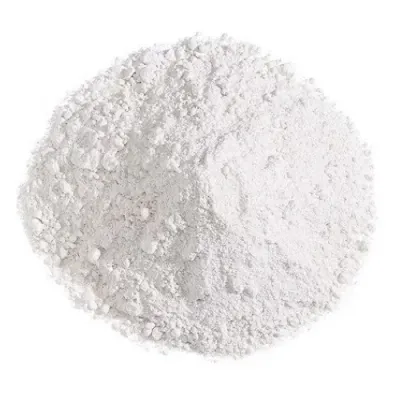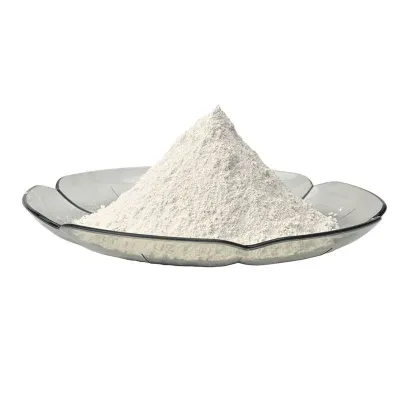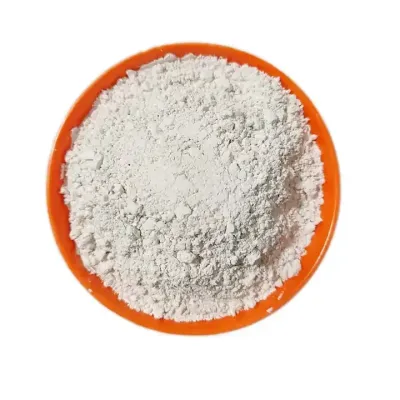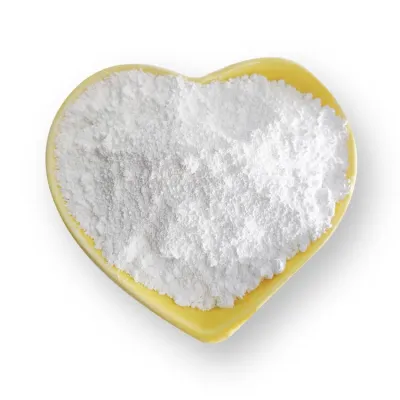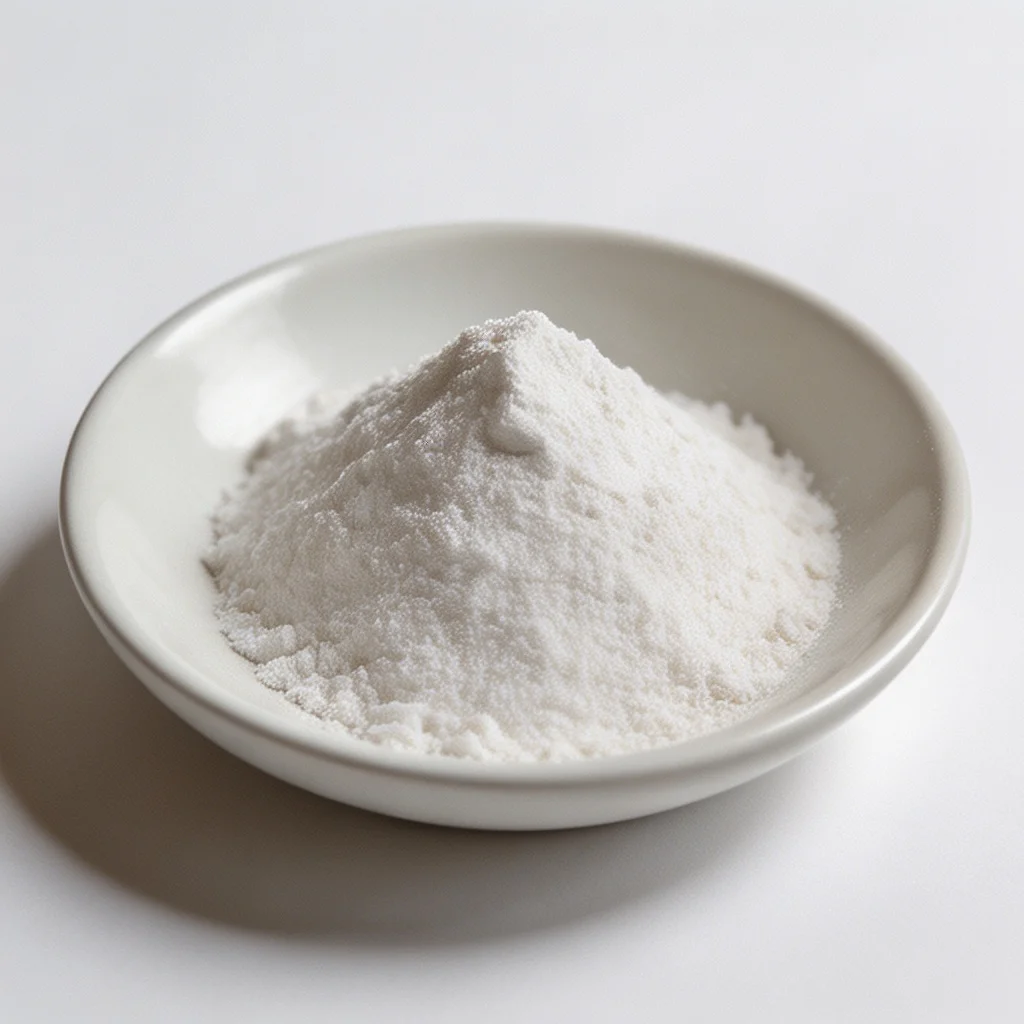


Precipitated Calcium Carbonate PCC, 96% Industrial CaCO3 White Superfine Powder for Model Sample Enquiries
-
ColorWhitePhysical formPowder
-
CAS No.471-34-1Purity96%
-
Appearancewhite superfine powerApplicationPaint, Plastic, Rubber, Paper Making, Building
-
ClassificationCarbonateEINECS No.207-439-9
-
Grade StandardIndustrial GradeMolecular FormulaCaCO3
-
Other Nameslight Calcium CarbonateTypeCalcium Carbonate
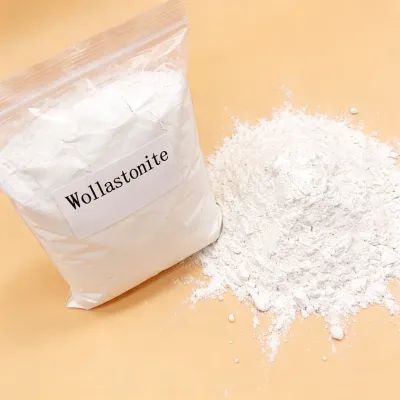
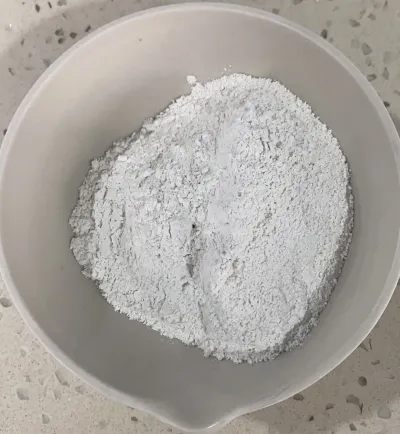
A useful PCC sample request should explain what the comparison needs to answer. This white superfine industrial precipitated calcium carbonate has formula CaCO3, is also named light calcium carbonate and has stated purity of 96%.
Write the acceptance brief before requesting a model
Describe the intended formulation and the properties that will decide acceptance. Paint, plastic, rubber, papermaking and building are the named contexts, but each requires criteria appropriate to its own material and process.
Separate the composition requirement from the physical requirements in that brief. The purity figure does not establish particle distribution, moisture or oil absorption, and white appearance does not provide a measured optical value.
Request records for the actual PCC label
Premium product and standard product are the actual model names. Ask for current analytical and physical documents for each label rather than assuming that their wording establishes a technical ranking.
- Confirm which model the proposed sample represents.
- Check the methods behind the required analytical and physical results.
- Define the formulation trial and retain its acceptance record.
Let the sample result guide the formulation choice
If treatment is important to the material, request a specific declaration for the offered grade. Neither PCC identity nor a model name identifies an activated treatment or proves compatibility with a chosen binder.
Review the selected sample against the written brief and keep its technical evidence with the result. This gives the enquiry a clear basis without inventing mesh limits, model-specific advantages or a guaranteed substitution level.