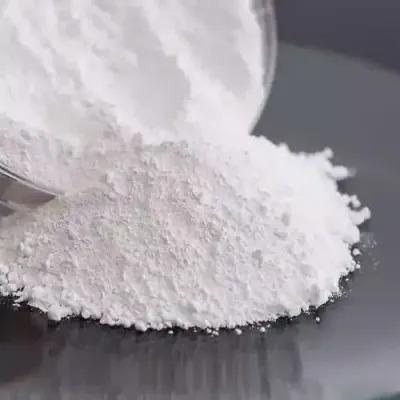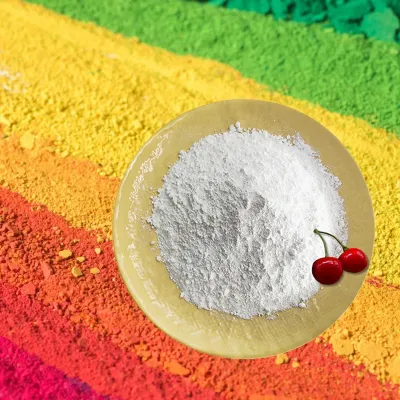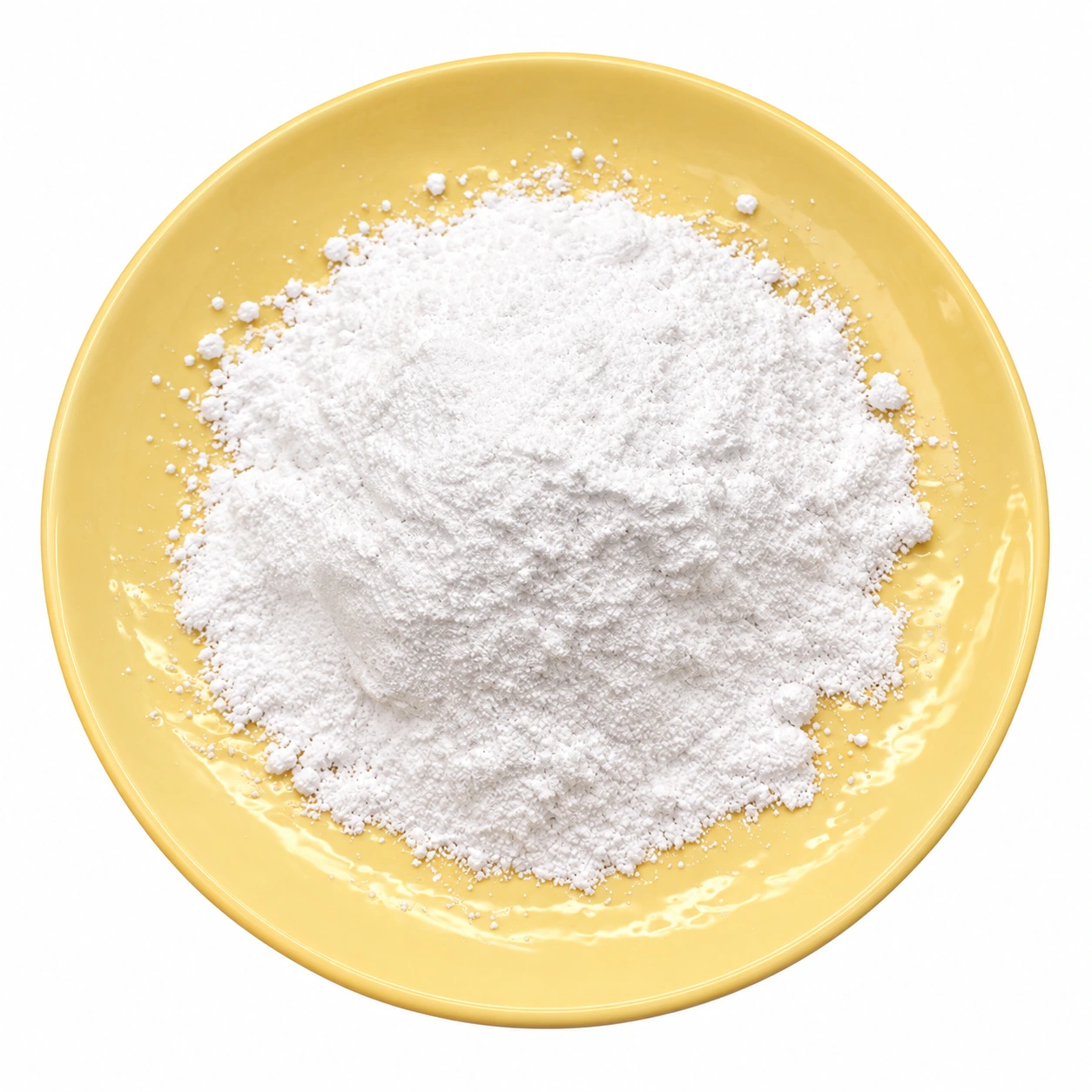
XM-1250 Calcium Carbonate White Powder, 98.2% Purity, 1500 Mesh, D50 4.6μm and D97 11.3μm
-
Particle-size designationD97 specified , D50 specified , Mesh designationColorWhite
-
Physical formPowder
-
CAS No.471-34-1Purity98.2%
-
Appearancewhite powderApplicationFood,Feed,Food pet,Drinks
-
ClassificationCarbonateGrade StandardFood Grade, Industrial Grade
-
Molecular FormulaCaCO3TypeCalcium Carbonate
-
Model NumberXM-1250Product namecalcium carbonate
-
Apperancewhite powderFineness (mesh)1500
-
D97(μm)11.3D50(μm)4.6
-
CaCO3 content%98.2Whiteness96.5%
-
PH7.5~9.5Loss on ignition %43.5
-
UsageFood,Feed,Food pet,Drinks
XM-1250 provides several explicit measurements for a calcium-carbonate grade enquiry, while the intended use still requires its own qualification documents. The white powder has 98.2% purity, a 1500-mesh designation, D50 at 4.6μm and D97 at 11.3μm.
Compare mesh and measured particles separately
Use the actual micron percentiles with the buyer's particle specification and confirm the measurement method. Keep the 1500-mesh designation attached to its applicable standard, rather than treating it as a conversion to either D50 or D97.
Review the rest of the measured profile
Whiteness is 96.5%, with pH in the range 7.5–9.5 and loss on ignition of 43.5%. Request the methods and the temperature used for loss on ignition, together with current chemical analysis and any treatment information for the offered grade.
- Material definition
- Confirm the actual XM-1250 specification and accepted chemical limits.
- Use definition
- Identify the intended process and the documents needed to qualify that specific application.
Require the appropriate food or feed evidence
Purity and powder whiteness do not establish food, feed, pet-food or beverage suitability. Obtain applicable end-use specifications and product-specific qualification before considering those applications, rather than treating a general grade label as approval.
Include the actual use requirements and requested test documents with the enquiry. A complete measured profile and relevant grade evidence give the comparison substance without an assumed food-use or processing-performance guarantee.