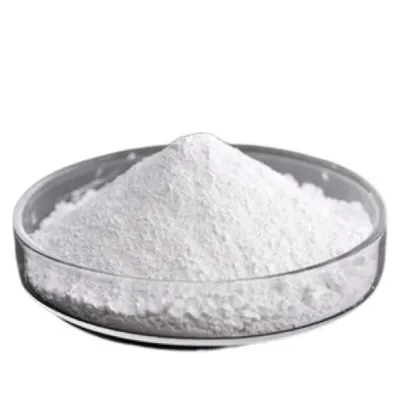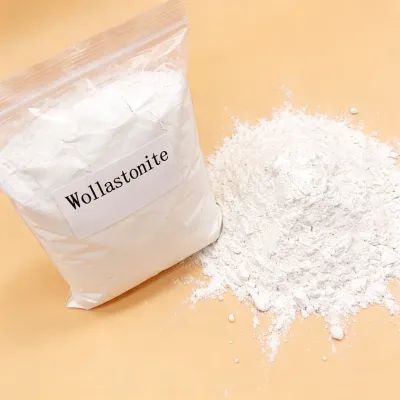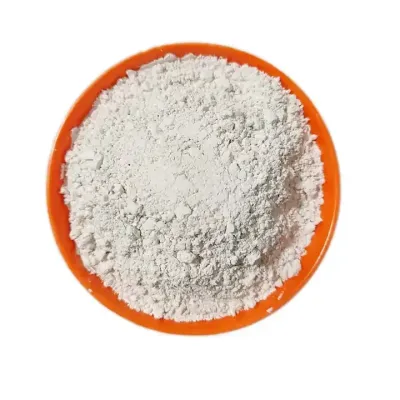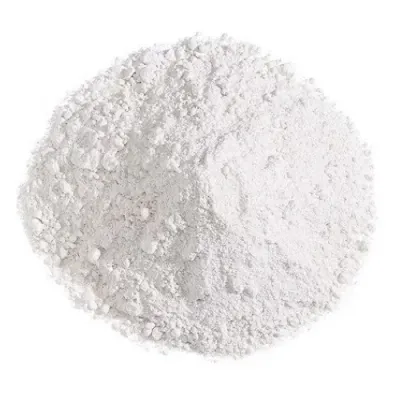
Aluminum Nitrate Al(NO3)3.9H2O 98% Minimum White Crystalline Powder for Organic Aluminum Salt Raw Materials
-
ColorWhitePhysical formCrystalline , Powder
-
CAS No.13473-90-0Purity98%min
-
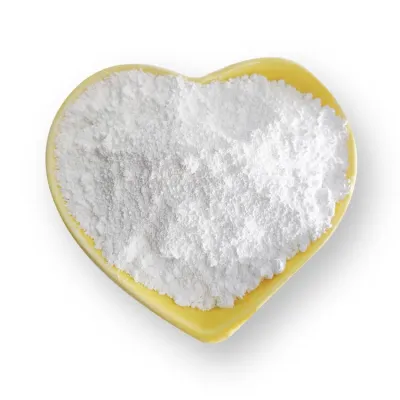
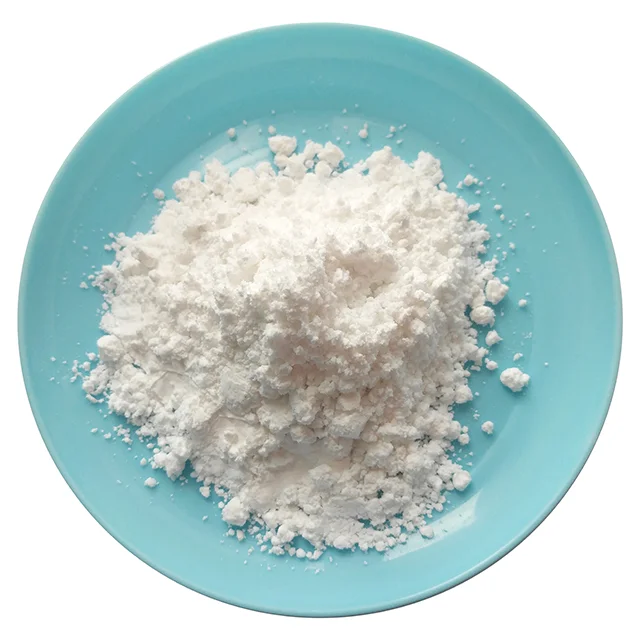
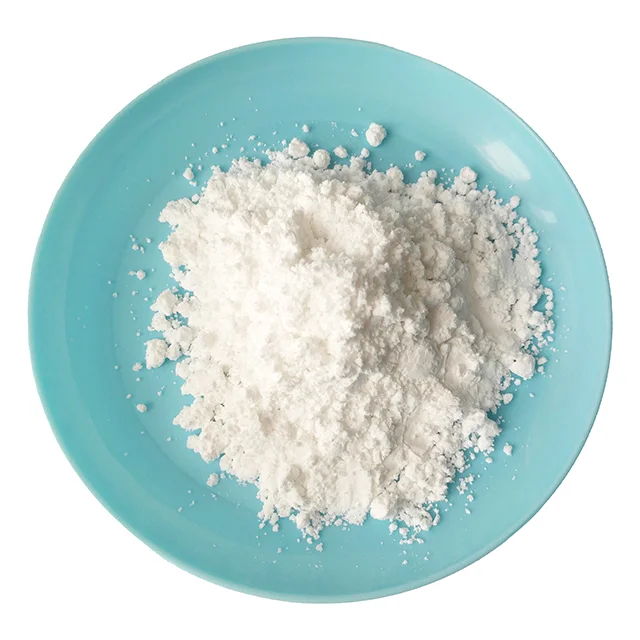
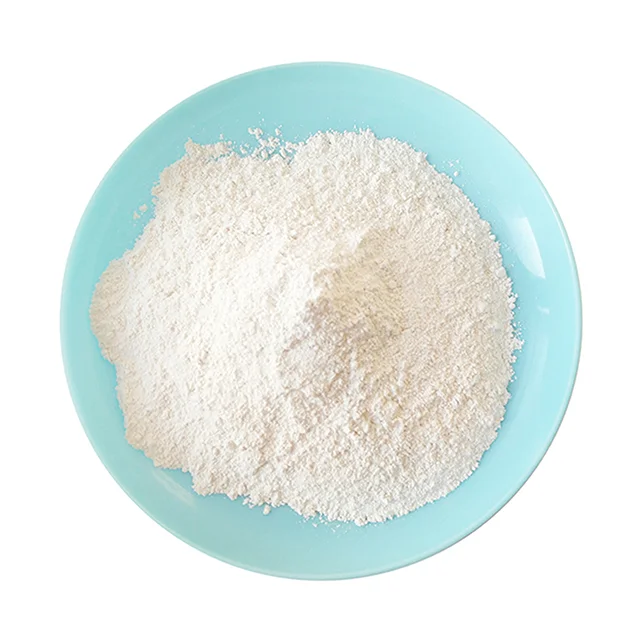
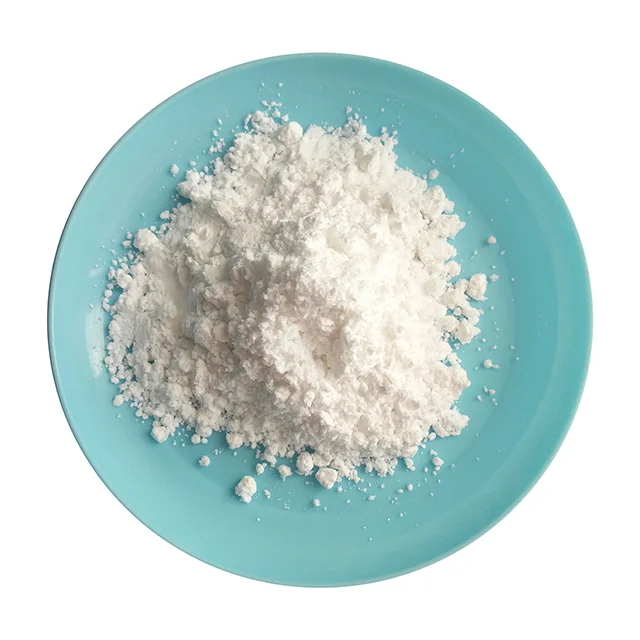
Appearancewhite crystalline powderApplicationOrganic aluminum salt raw materials
-
ClassificationNitrateEINECS No.236-751-8
-
Molecular FormulaAl(NO3)3.9H2OOther NamesTrisnitric acid aluminum salt
-
TypeAluminum Nitrate
Raw-material acceptance for organic aluminum salts should identify the nitrate grade and the analytical basis needed downstream. This aluminum nitrate carries the Al(NO3)3.9H2O designation and is described as white crystalline powder with purity 98% minimum.
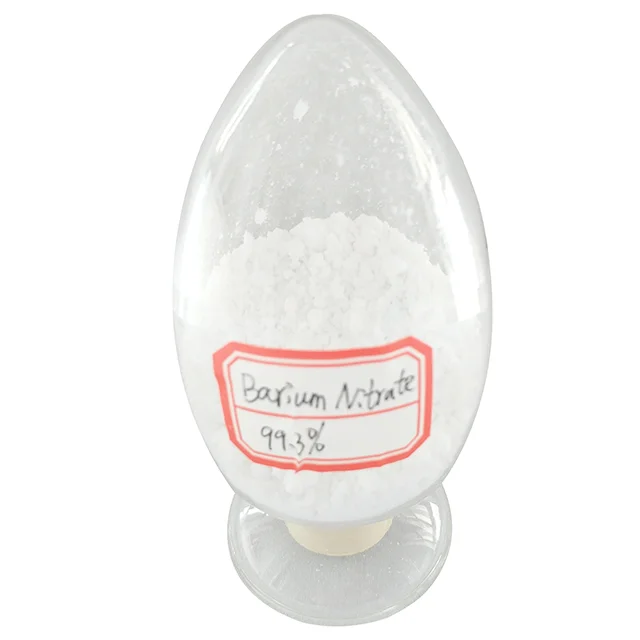
Confirm the actual hydrate behind the formula designation
Request current information identifying the material and confirming its hydration state. Keep that identity with the analytical report, so the assay can be understood on the correct basis for the aluminum nitrate being considered.
Define chemical acceptance for the downstream salt project
Specify the impurity limits and other measurements required by the intended organic aluminum salt process. The minimum assay is useful starting information, while current composition and method details are needed to judge whether the offered raw material meets the project’s criteria.
- Identify the actual nitrate hydrate and assay reporting basis.
- Review the individual impurities relevant to the downstream material.
- Assess an appropriate sample against the defined acceptance requirements.
Evaluate the crystalline powder through relevant material tests
Confirm the physical measurements needed for the actual raw-material duty. A white crystalline-powder description does not establish a particle distribution or handling result, so obtain the corresponding test evidence where the project requires it.
The organic aluminum salt direction does not provide a synthesis route or a guarantee of finished-salt quality. Review current technical and safety documentation and retain the nitrate identity, analysis and sample observations with the downstream qualification decision, allowing the actual process requirements to guide selection.