Calcium Oxide Quicklime 90%-93% for Agricultural Soil pH Adjustment Evaluation
-
ColorWhitePhysical formPowder
-
CAS No.1305-78-8Purity90%-93%
-
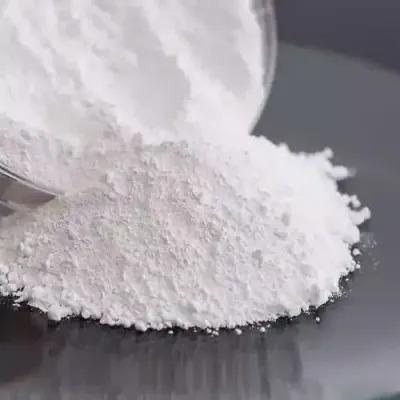
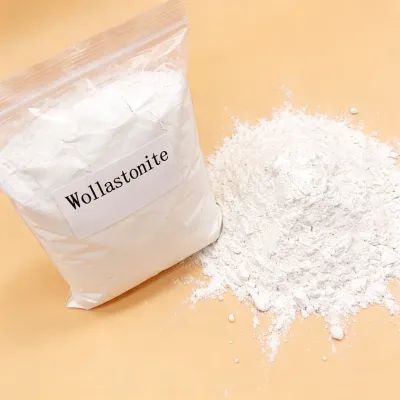
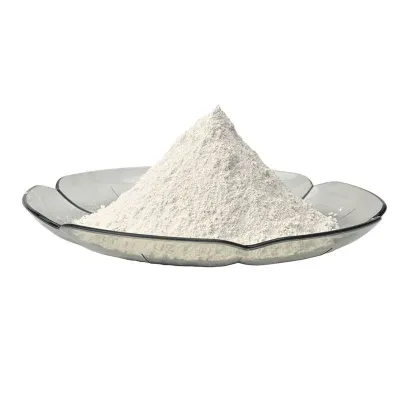
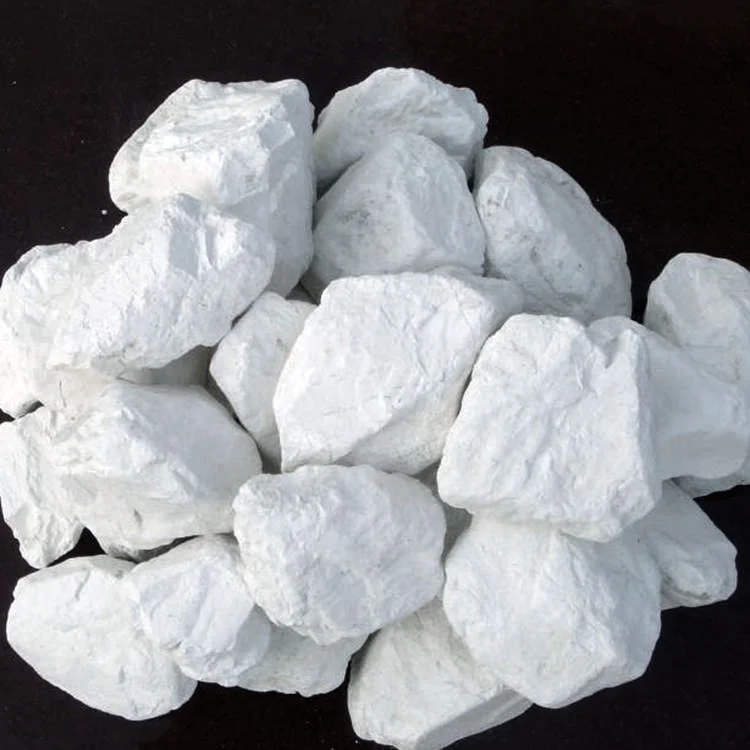
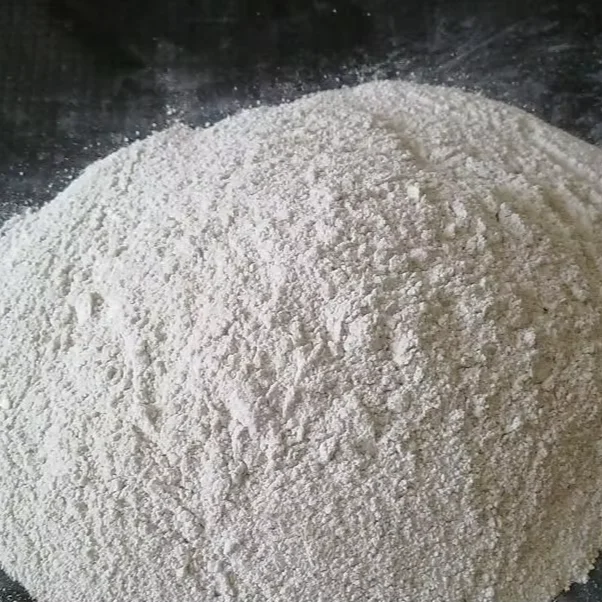
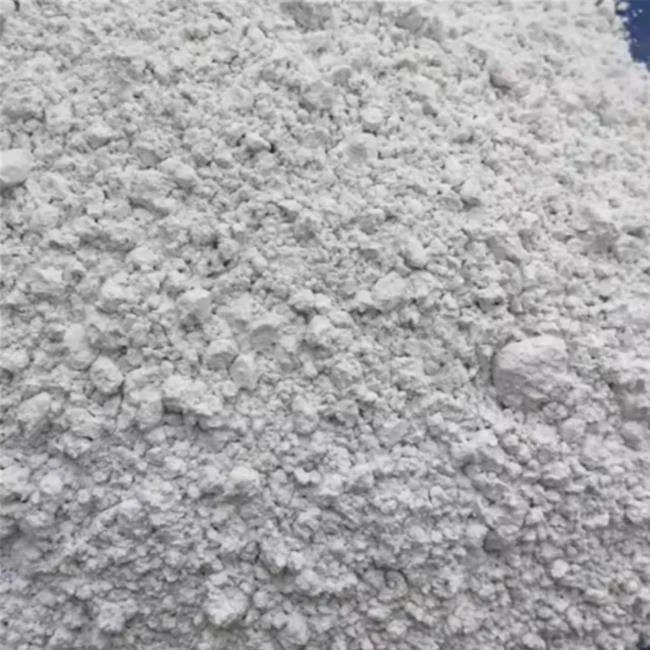
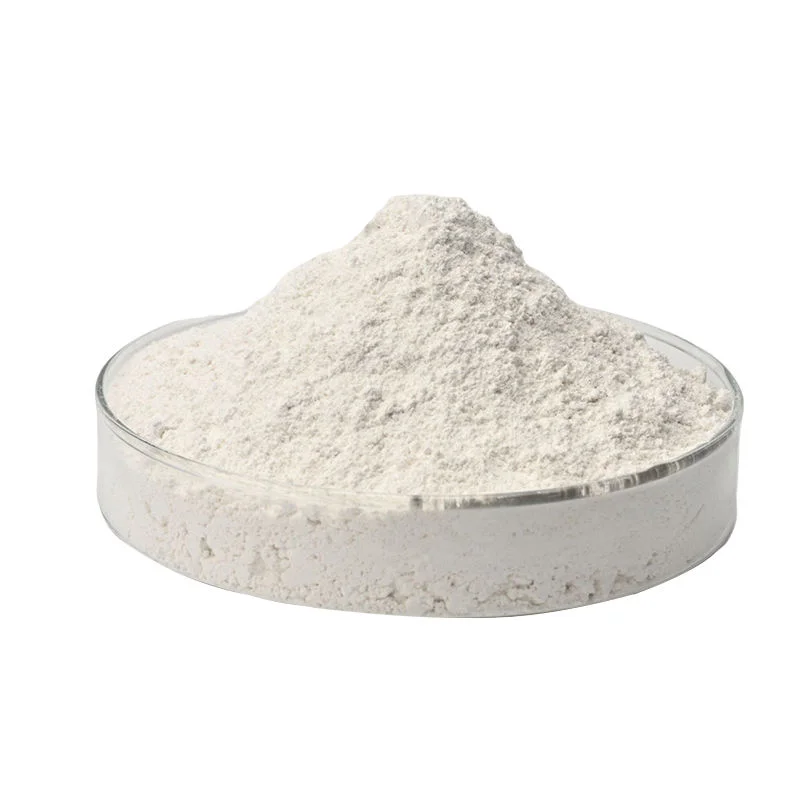
Appearancewhite powderApplicationUsed in agriculture to regulate soil pH
-
ClassificationCalcium OxideEINECS No.215-138-9
-
Grade StandardIndustrial GradeMolecular FormulaCaO
-
Other NamesQuicklime
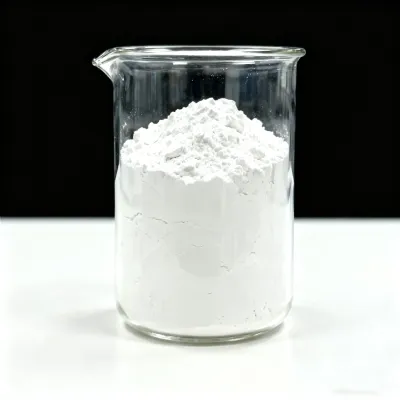
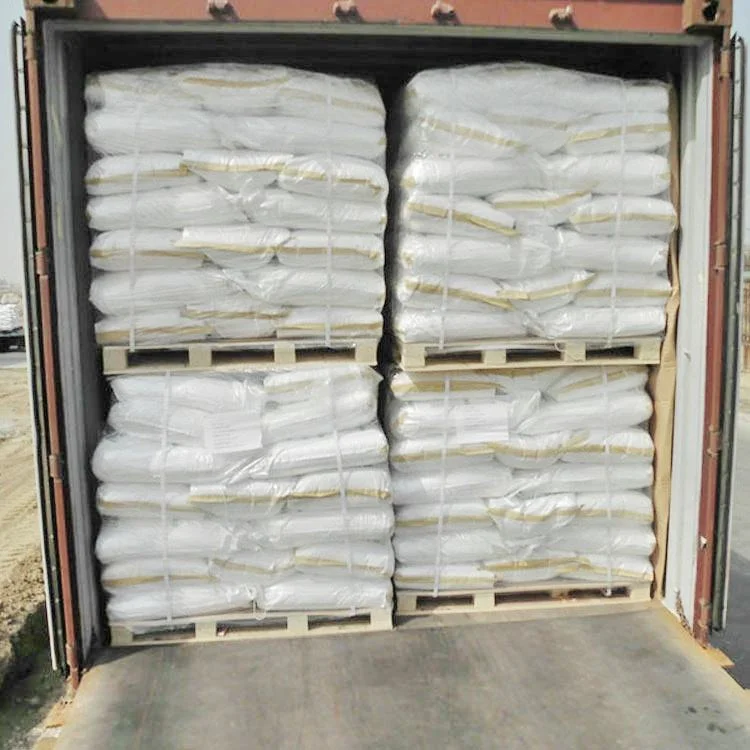
A soil-pH project needs a material enquiry tied to its own assessment requirements. This calcium oxide quicklime is a white powder with a stated 90%-93% purity range. Agricultural soil-pH adjustment is the intended discussion, with the proposed application grade and actual project acceptance still to be confirmed.
Separate the chemical measurement from the soil decision
The assay describes a property of the material, while project suitability is a different question. Request the batch analysis and the technical specification for the actual grade. A purity percentage cannot replace the assessment needed to decide whether that sample belongs in the intended soil-management project.
- Material comparison
- Identity, assay, particle information and supporting grade documents.
- Project acceptance
- The relevant soil requirements and qualified evaluation of the proposed sample.
Confirm the application-grade documents before acceptance
Ask which grade specification and intended-use documentation cover the offered material. Keep those documents linked to the actual sample rather than a broad chemical family. Neither a quicklime name nor white appearance establishes agricultural approval or suitability for a particular crop.
Make the sample request identify CaO clearly
The supplied chemical identity is calcium oxide, CaO, also named quicklime, with CAS 1305-78-8. Attach that identity to the proposed assay and physical description. It helps purchasing and technical reviewers discuss the same material before considering project-specific qualification.
A useful enquiry requests the relevant evidence without assuming an application rate or a soil-improvement result. Those decisions require qualified review of the actual project and sample. The next step is therefore a confirmed grade package and a clear acceptance brief, rather than a purity-only substitution.