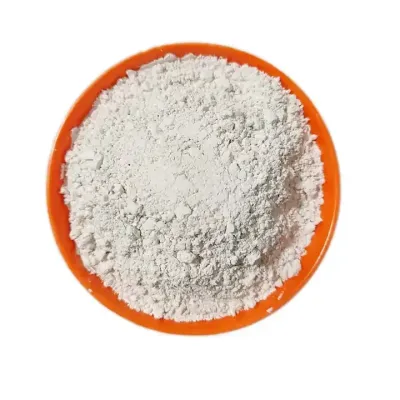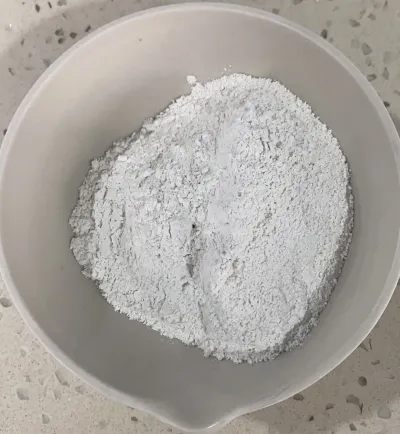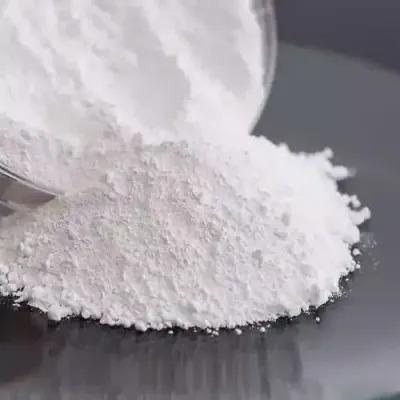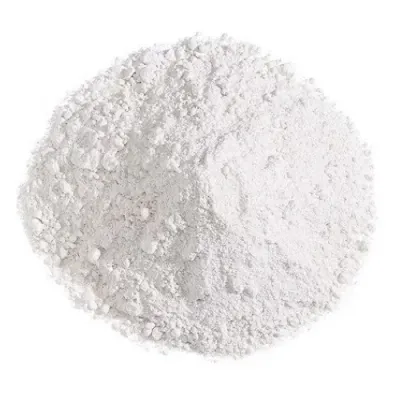
Magnesium Sulfate Heptahydrate White Crystals, 99.5% Min, for Porcelain and Straw-Making Enquiries
-
ColorWhitePhysical formCrystalline
-
CAS No.10034-99-8Purity99.5%MIN
-
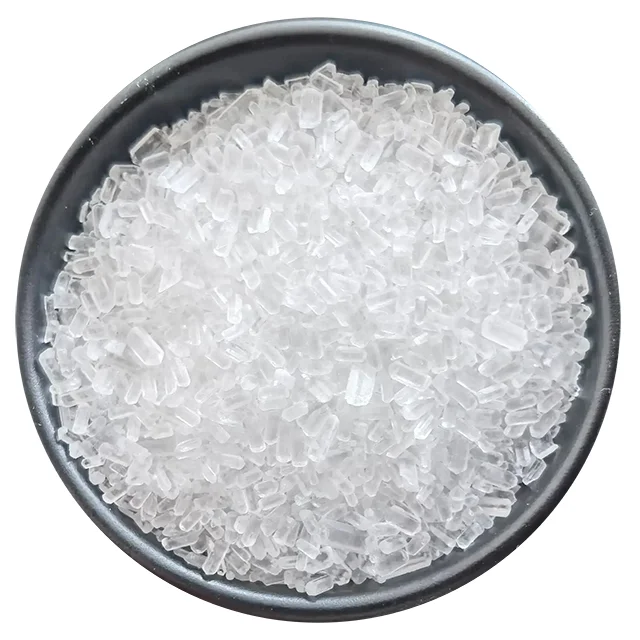
AppearanceWhite oblique columnar crystalsApplicationstraw-making,porcelain
-
ClassificationSulphateEINECS No.600-073-4
-
Grade StandardIndustrial GradeMolecular FormulaMg.O4S.7H2O
-
Other NamesMAGNESIUM SULFATE 7HYD XTLTypeMagnesium sulfate heptahydrate
-
Product nameMagnesium sulfateCAS10034-99-8
-
Melting point1124°Cdensity2.66
-
vapor density<0.01 (vs air)vapor pressure<0.1 mm Hg ( 20 °C)
-
GradeIndustral GradeUsagestraw-making,porcelain
-
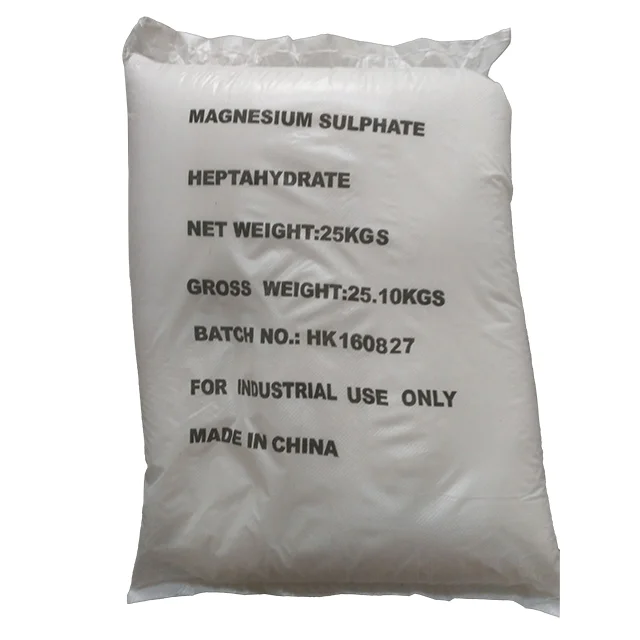
Package25kg/bagColorwhite
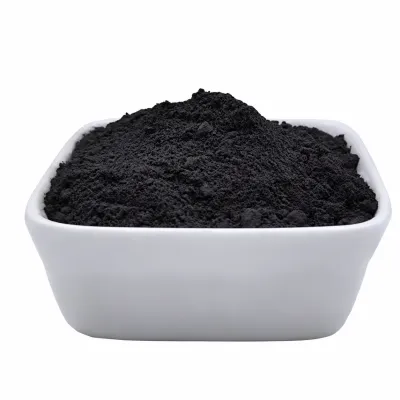
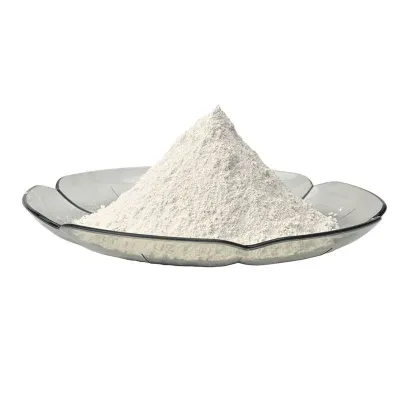
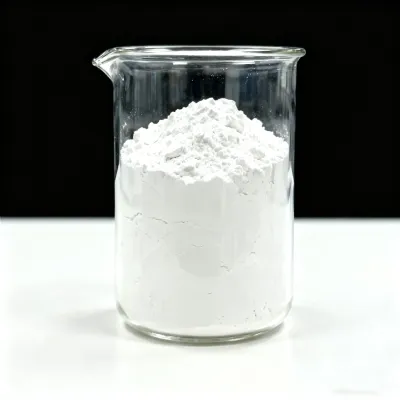
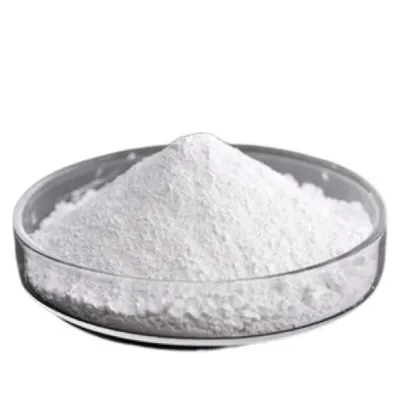
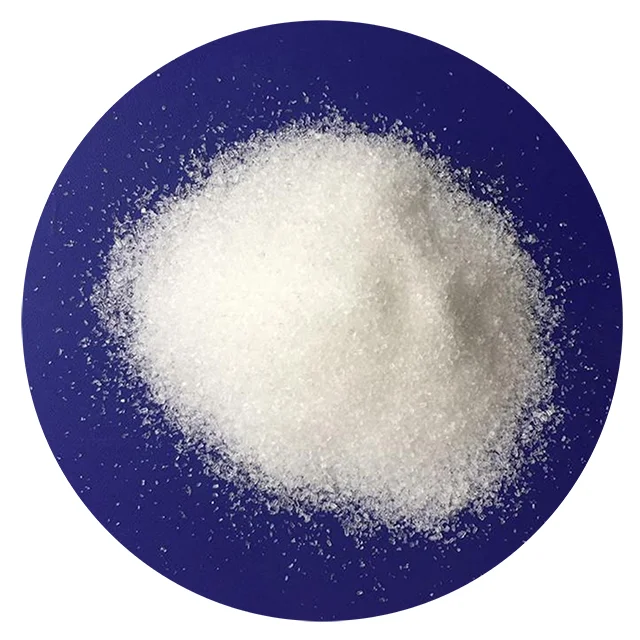
This magnesium sulfate is specifically identified as the heptahydrate, giving the material enquiry a defined hydrate name. It is described as industrial-grade white oblique columnar crystals with a minimum purity of 99.5%.
Keep the heptahydrate clear in the comparison
The stated formula is Mg.O4S.7H2O. Retain that offered form when requesting the current identity and assay documents, rather than treating every magnesium sulfate grade as the same material.
Ask which analytical basis supports the minimum purity and which impurities are relevant to the proposed process. Crystal appearance helps describe the sample, but it does not provide a complete composition certificate or establish a particle-size distribution.
Explain the porcelain application before selecting a sample
Porcelain is one of the named application contexts. State where the material would enter the process and what acceptance measurements are required, then request a representative assessment of the actual offered crystals.
The chemical identity alone does not define formulation proportions or demonstrate a particular finished result. If thermal behaviour matters to the proposal, obtain a report that identifies the sample form and explains the measured transitions.
Clarify what the straw-making enquiry requires
Straw-making is also named, but the intended duty should be explained before its suitability is judged. Ask for relevant process evidence without assuming a particular substrate or a special-use qualification from that term.
Review current hydrate, assay and handling records alongside the application information. Request density with its units and test method if it is needed for selection, and keep any process approval tied to the offered heptahydrate sample and the agreed acceptance criteria.