Calcium Carbonate for Industrial Rubber Compounds
If you buy calcium carbonate for an industrial rubber compound, match the filler to the rubber, cure system and finished-part limits.
Relia's catalogue provides treated and other carbonate candidates for that review.
- Rubber
- Type, cure system and intended part
- Powder
- Treatment and distribution
- Cured result
- Your mechanical test limits
From Your Requirement to a Defined Grade
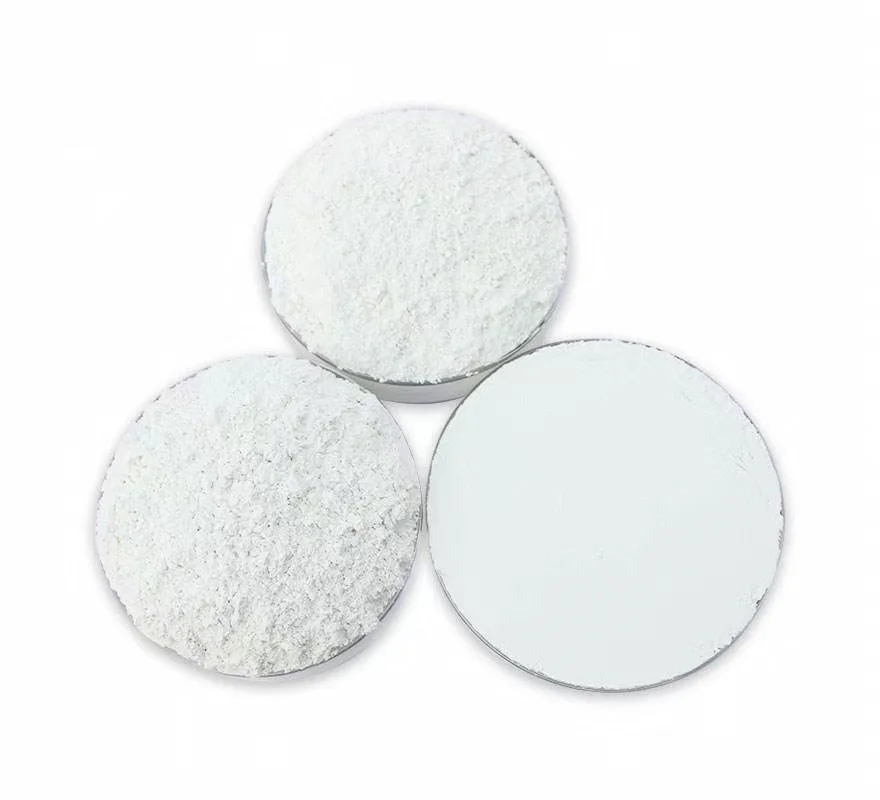
Relia manufactures ground, precipitated and selected surface-coated calcium carbonate grades in China through its own factories.
Our carbonate enquiry should identify your elastomer, cure system and the function of the rubber part. Tell Relia which processing and cured properties cannot change. The candidate proposal can then be reviewed with its own treatment and particle specification before your team compares it with the approved filler in a matched compound.
Rubber
Type, cure system and intended part
Powder
Treatment and distribution
Processing
Dispersion under fixed conditions
Cured result
Your mechanical test limits
The Compound Boundary
For a rubber compound, filler dispersion and the cure system belong in the same discussion. The 301 listing is aimed at tire and shoe-sole reinforcement assessment; the GCC and coated-GCC entries provide alternative starting materials. Their commercial descriptions do not establish an equal reinforcement effect.
Type, cure system and intended part
Treatment and distribution
Your mechanical test limits
Rubber Fillers with Different Particle Routes
| Review area | Listed data and acceptance basis | Use in your selection |
|---|---|---|
| 301 · 6529 | A rubber-focused calcium carbonate candidate. Request its actual particle, treatment and moisture data for the offered grade. | Use the same particle measurement basis, then review dispersion and the result in your process. |
| GCC · 6538 | The entry lists 96% purity and 600–3000 mesh options. Narrow the range before comparing compound results. | Use the same particle measurement basis, then review dispersion and the result in your process. |
| Activated GCC · 6499 | The listing states at least 98.5% CaCO3. Confirm the treatment identity instead of assuming a particular coating chemistry. | Keep chemical identity, assay basis and the actual offered grade in the same specification. |
| Compound comparison | Keep the elastomer, cure package, mixing history and filler loading visible beside tensile, tear, abrasion or other required results. | Use the same quantity, packaging and destination when comparing supply proposals. |
Compare the Product Candidates
Use these listed candidates to start a grade-specific discussion with us.
Cured Properties in Context
Mix the candidates under comparable conditions in the intended elastomer system. Record cure behaviour and the finished properties relevant to the component, rather than transfer a shoe-sole result into a tire claim. The useful purchase specification connects a defined powder to the compound your team has accepted.
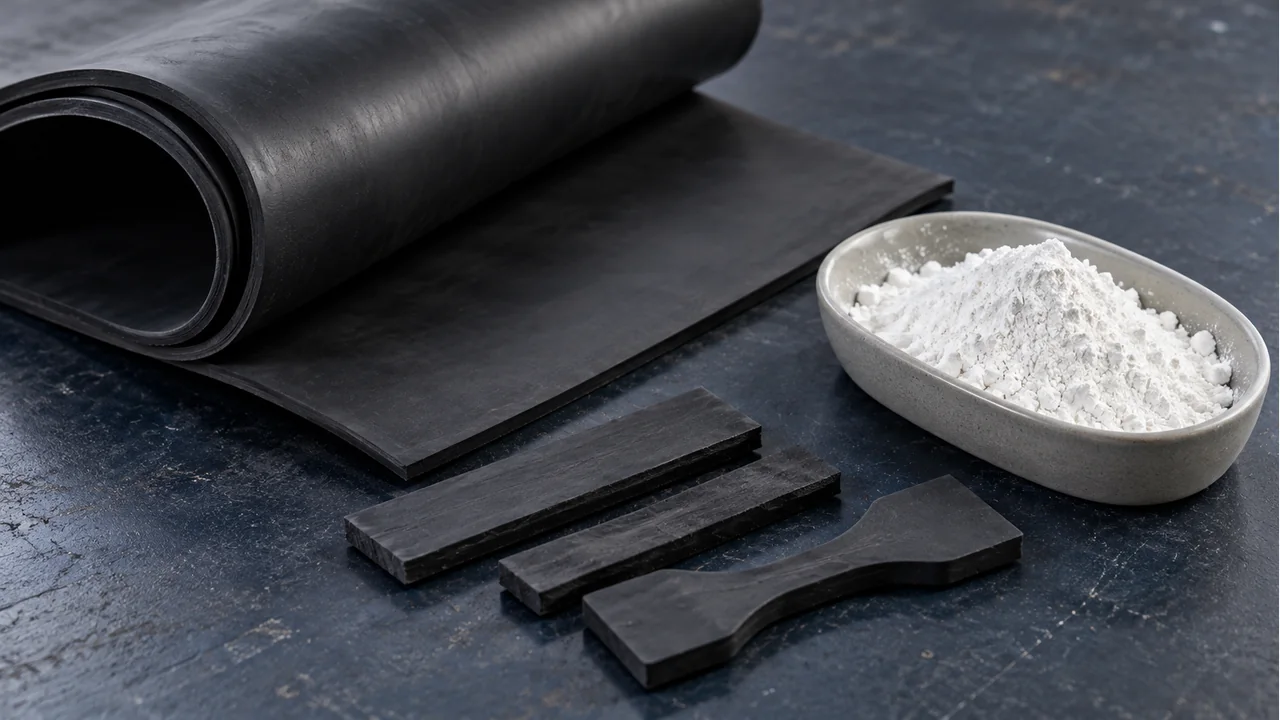
Activated wording
Is not a universal reinforcement claim.
Different cures
Require a relevant comparison.
Single figure
Does not describe the whole compound.
Particle Preparation and Surface Condition
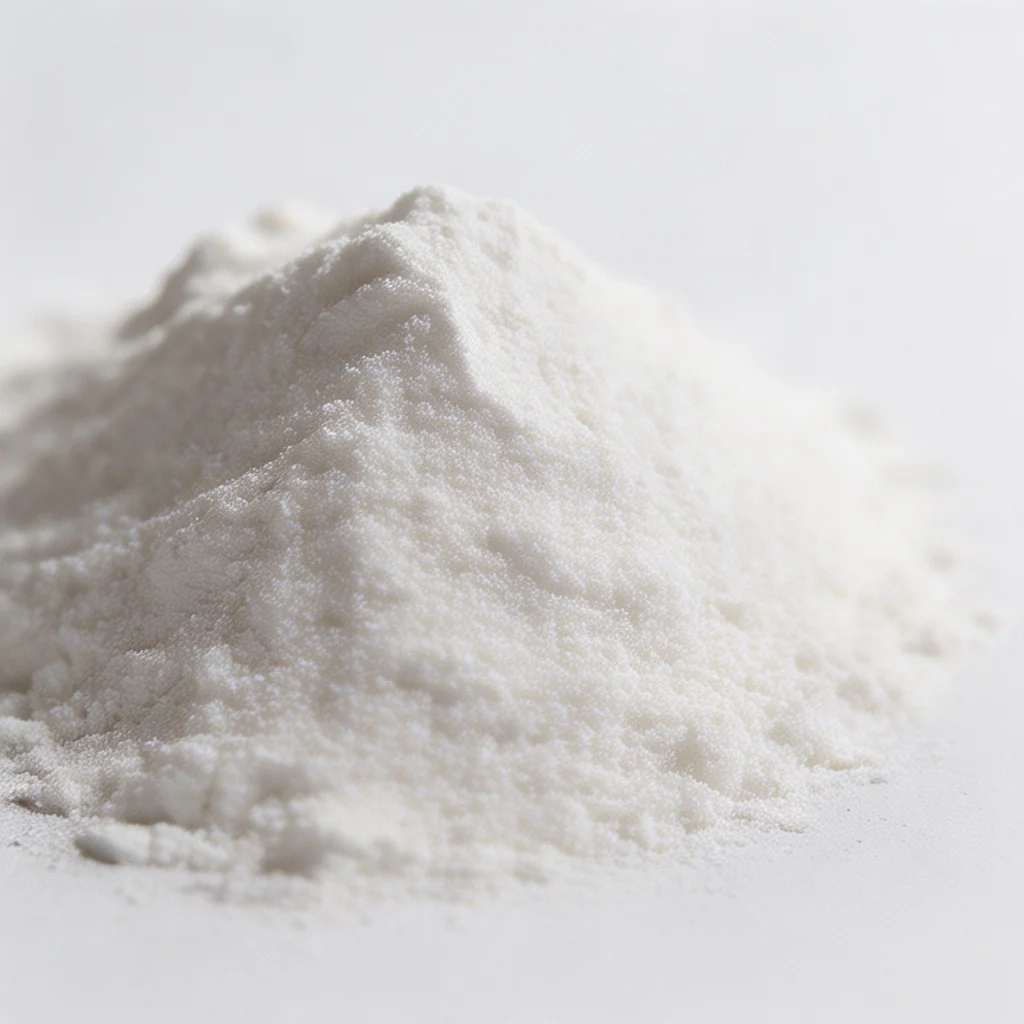
Milling or precipitation determines the underlying particles, while a surface-treatment stage changes their interaction with the rubber formulation. Moisture and agglomeration affect the supplied powder condition as well. Keep these variables visible alongside mixing history, cure response and the finished-compound measurements used for approval.
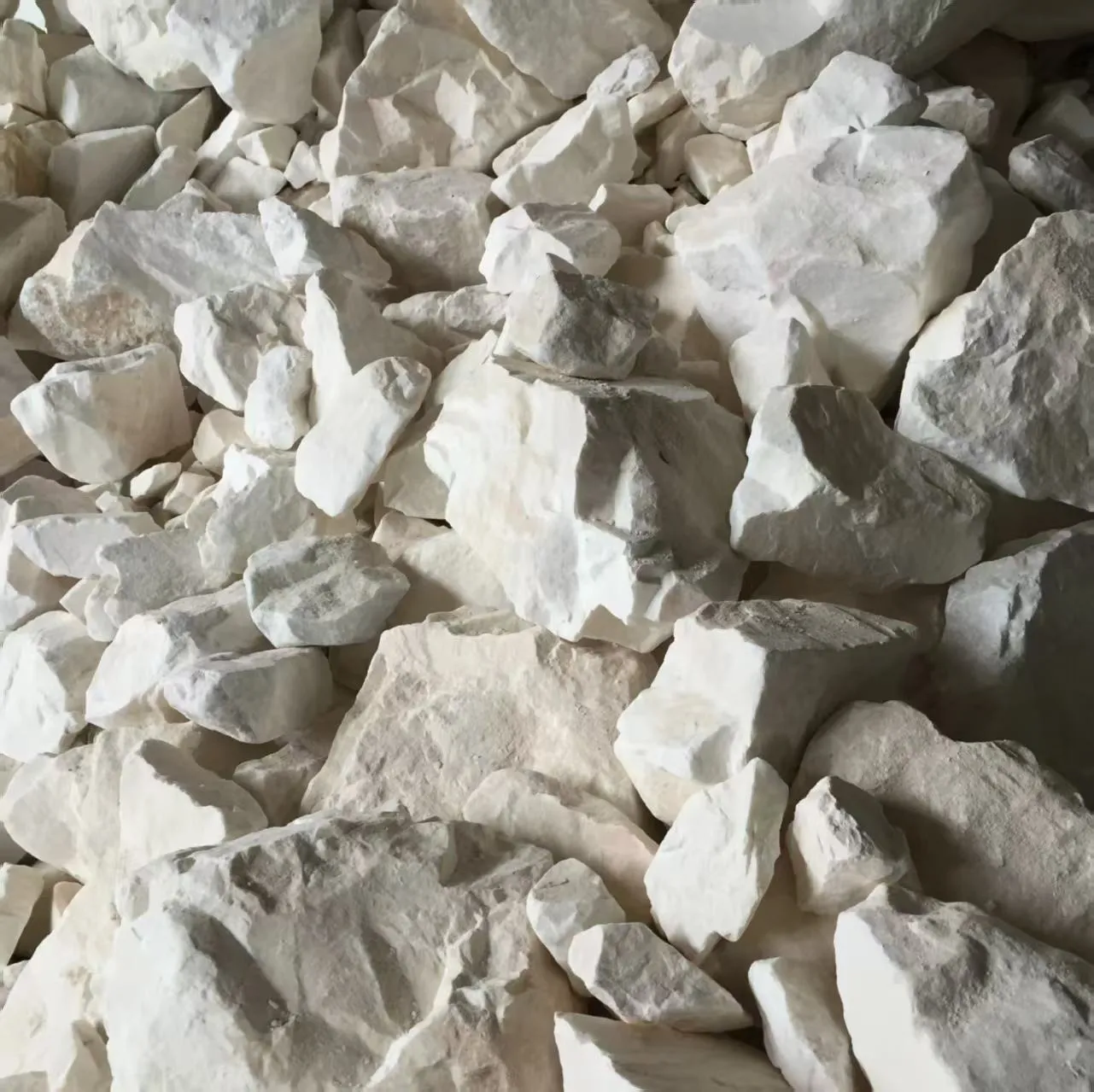
GCC: dry and wet routes
Relia uses both dry- and wet-grinding routes for GCC. Grinding and classification are connected to the selected powder's particle specification.
PCC: crystal formation
Relia produces PCC through calcination, slaking and carbonation. The precipitation route forms new particles rather than only grinding the starting mineral.
Selected surface-coated grades
Relia applies surface coating to selected carbonate grades. The actual treatment and intended application remain part of the grade discussion.
Defined carbonate checks
Routine batch checks cover whiteness, moisture and purity. Particle size and oil absorption are checked according to the grade or order requirements.
- Distribution
- Retain average size, D50 and D97 as their actual reported measurements.
- Surface
- Connect a treatment declaration with the application and absorption or wetting evidence.
- Identity
- Keep the selected grade and relevant method with the sample comparison.
An Approved Compound Reference
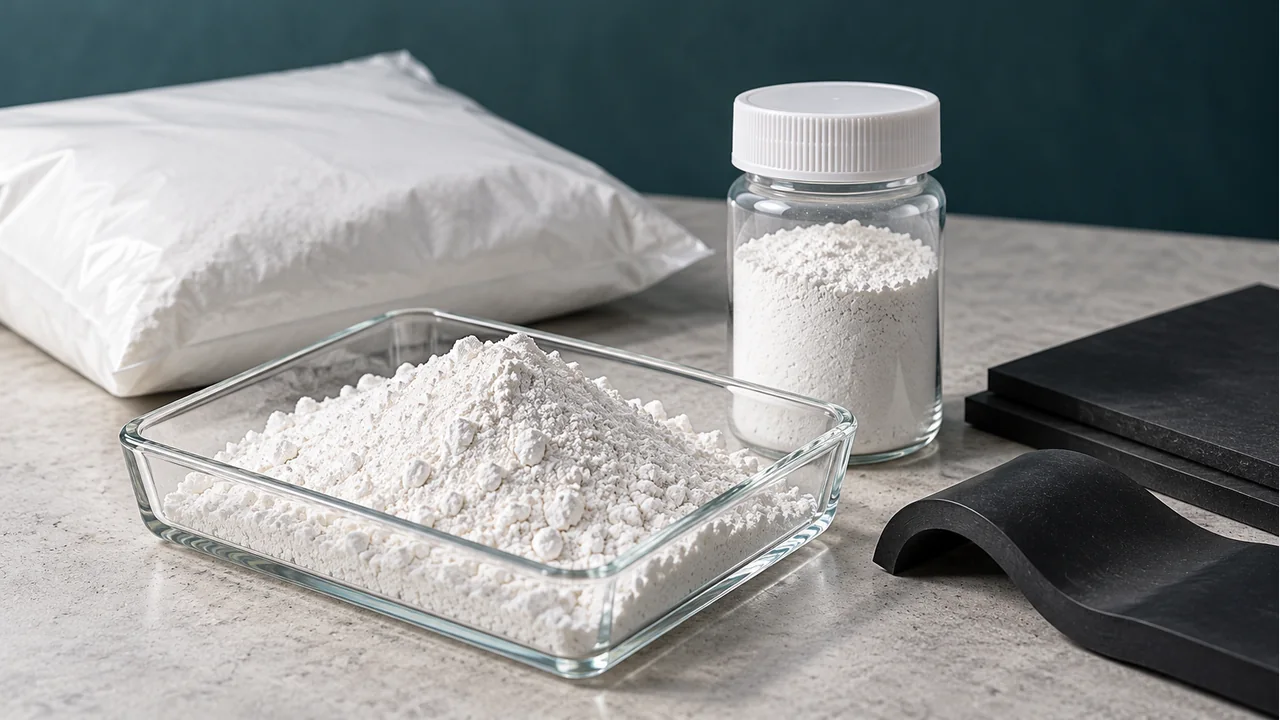
Keep the accepted compound result and the filler sample tied to the proposed grade. We use that identity when discussing repeat supply. A change in rubber system, loading or treatment should remain visible in the review.
Continue Your Material Selection
If you formulate EVA or NBR footwear foam, a talc purchase should be tied to your cell structure, density and mechanical targets.
If you are evaluating calcium sulfate whiskers in rubber or polymers, confirm both the calcium-sulfate phase and the actual whisker form.
If a promising sample needs to become a repeat purchase, make the approval record as clear as the trial result.
Start with Your Material Brief
Send us the details below to review a concrete grade proposal and the next evaluation step.
- Application and process
- Rubber: Type, cure system and intended part
- Material and grade
- Your current grade or one of the relevant product links above.
- Important requirements
- Powder: Treatment and distribution; Cured result: Your mechanical test limits
- Purchase scope
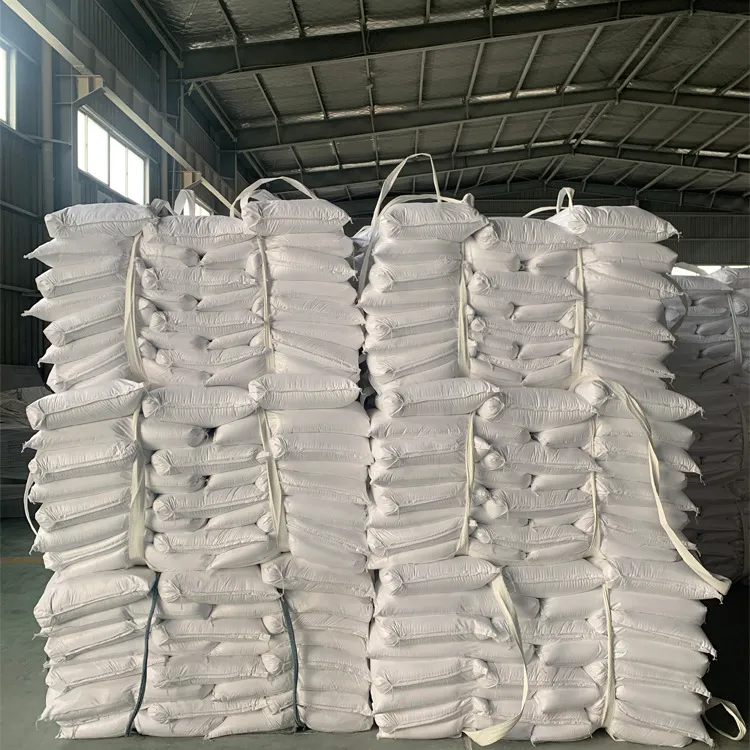
- Trial or order quantity, preferred package and destination.
Qingdao Relia Industries Co., Ltd. · China manufacturing of industrial minerals, chemicals and the listed packaging products.
10 / 11Speak with Our Materials Team
Qingdao Relia Industries Co., Ltd.
Tell Relia the material, application, required grade, quantity and destination. Include the product link or the key limits you already use, so the next conversation starts with a concrete proposal.
Phone
+86 18561762631Call to discuss your enquiry.Qingdao contact address
Shuyuan Road, Qingdao,Shandong, ChinaQingdao contact address for the company.