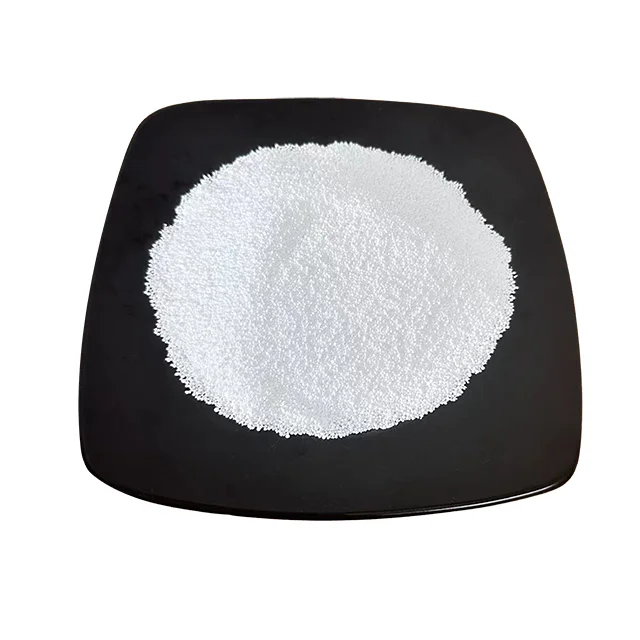
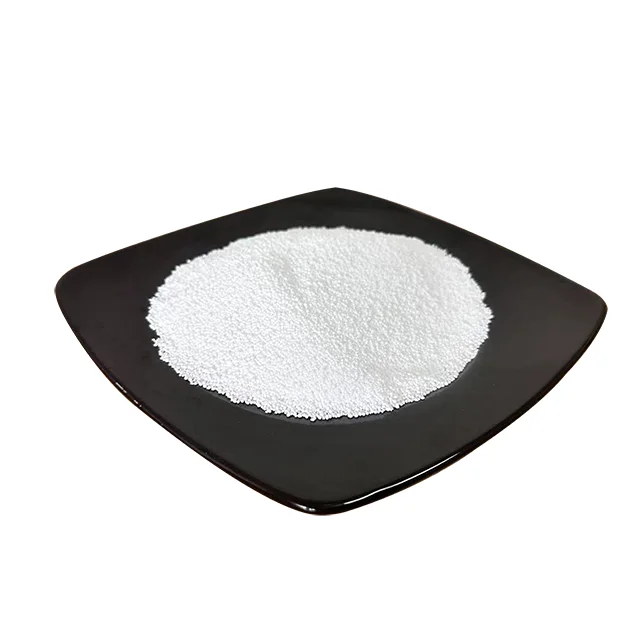
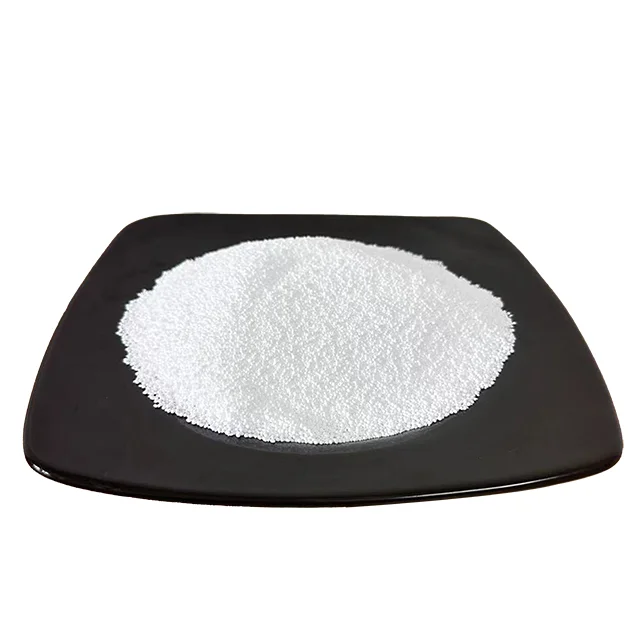
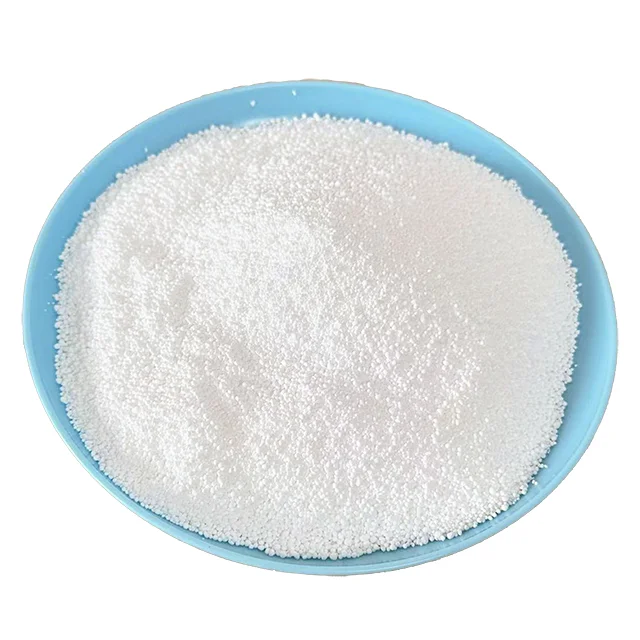
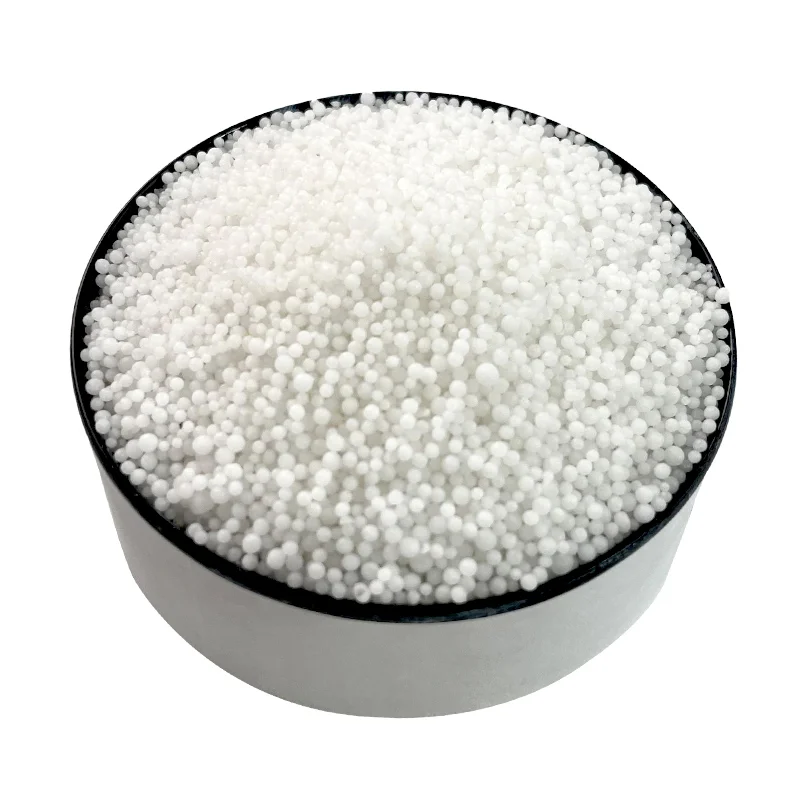
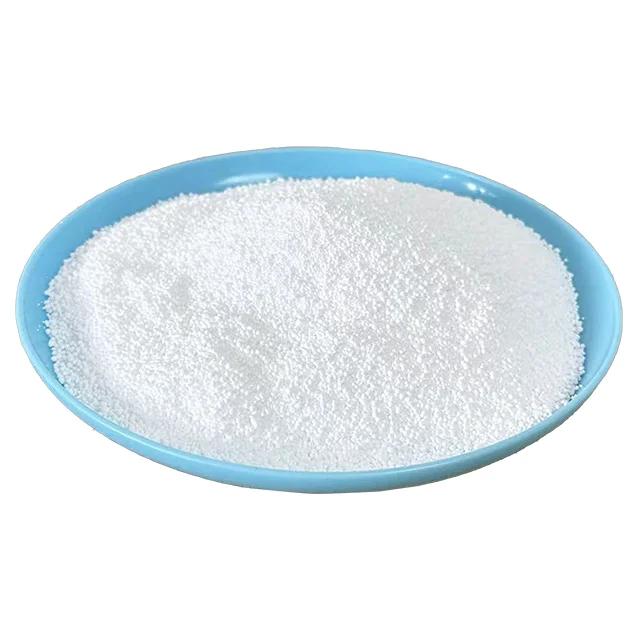
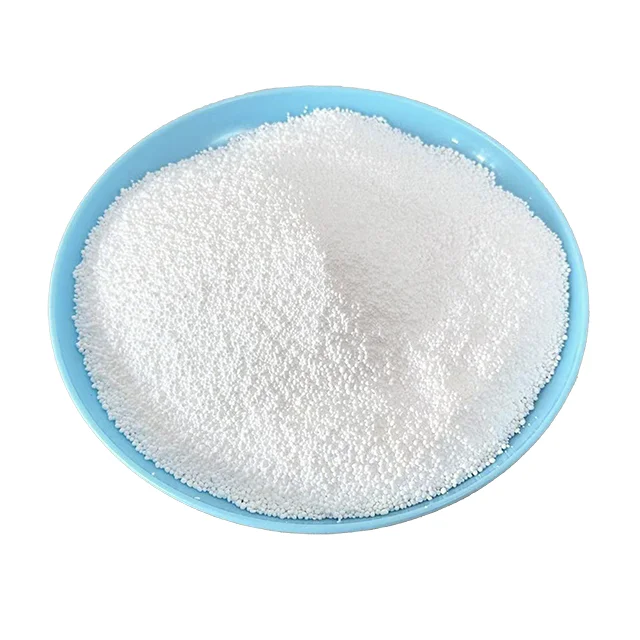
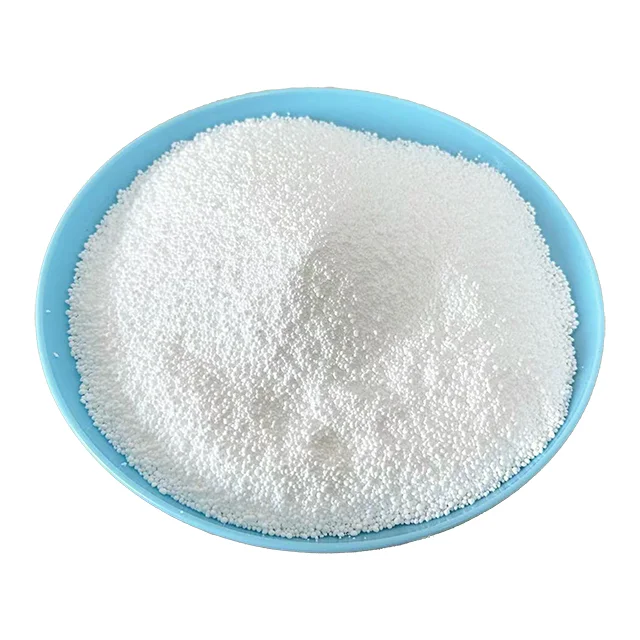
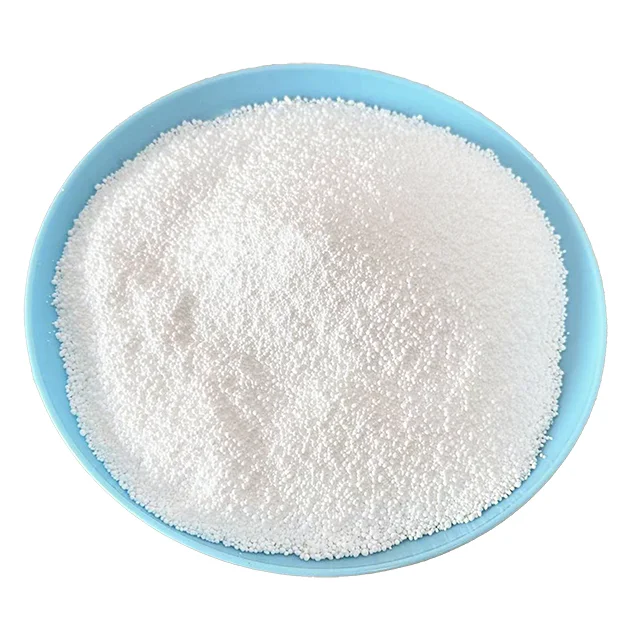
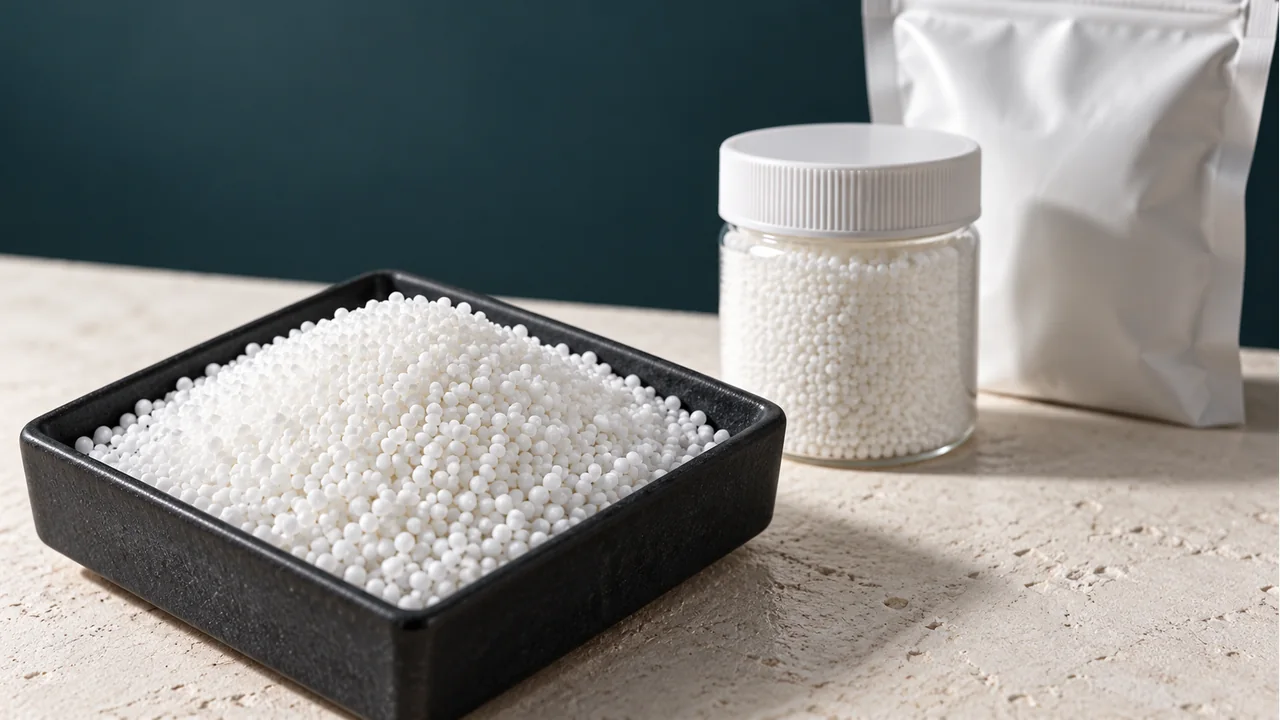
Prilled or Granular Urea for Fertilizer Blending
If you buy urea for fertilizer blending, match the particle form to your blend and handling system.
Relia's prilled or granular proposals can be reviewed for nitrogen, biuret, moisture and size distribution.
- Nutrient
- Nitrogen reporting basis
- Quality
- Moisture and biuret limits
- Handling
- Your blending and storage conditions
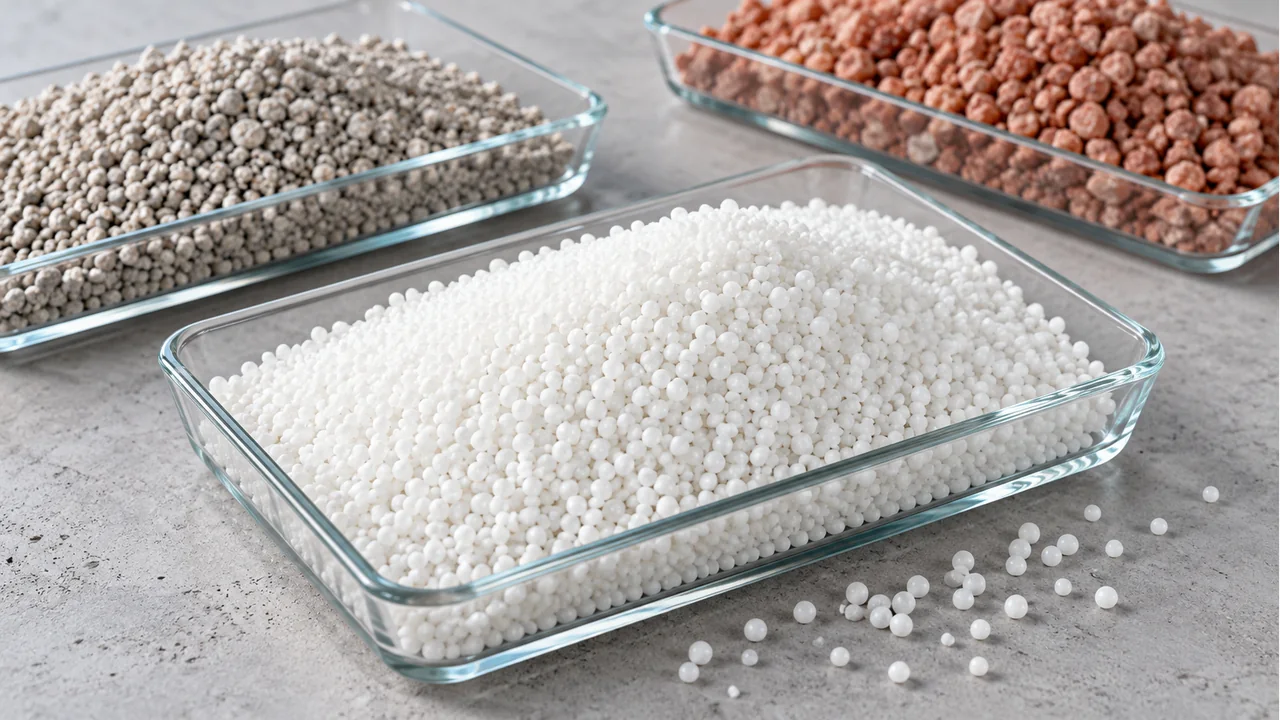
From Your Requirement to a Defined Grade
Relia manufactures urea materials in China through its own factories.
Our urea enquiry should identify the required physical form and the other components in your blend. Give us the accepted nutrient, biuret, moisture and particle limits. The proposal should remain explicit about prilled or granular material before your team compares its behaviour through the actual handling and blending cycle.
Nutrient
Nitrogen reporting basis
Quality
Moisture and biuret limits
Particles
Prilled or granular distribution
Handling
Your blending and storage conditions
The Blending Requirement
The urea catalogue descriptions state 46% nitrogen and include prilled or granular enquiries. This is a nutrient basis, not 46% chemical purity. We identify the offered form and relevant physical limits before discussing a shipment for blending, handling or other agricultural-fertilizer requirements.
Nitrogen reporting basis
Moisture and biuret limits
Your blending and storage conditions
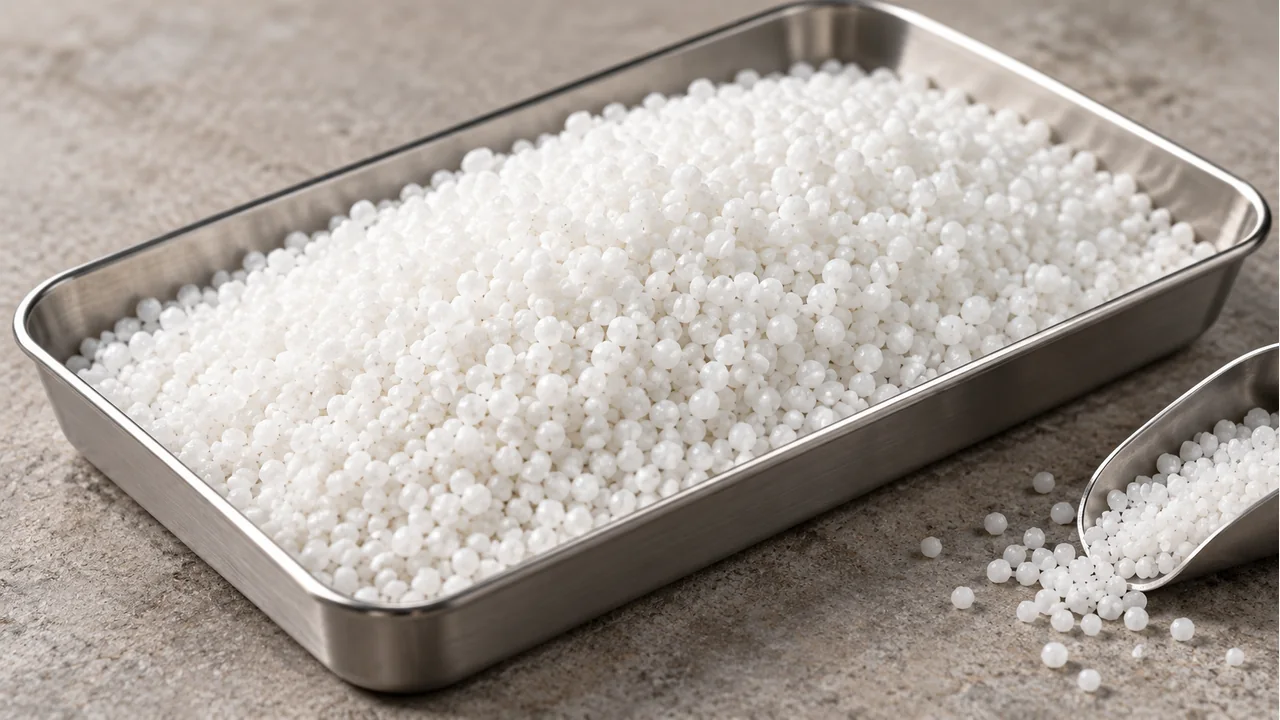
Urea Form and Nitrogen Declaration
| Review area | Listed data and acceptance basis | Use in your selection |
|---|---|---|
| Agricultural urea · 6317 | The title states 46% nitrogen and prilled/granular enquiry options. Confirm the actual offered form. | Use this item to define the candidate and the evidence needed for your application. |
| Granular urea · 6322 | The title states 46% nitrogen and 46-0-0 enquiries. Retain a substantiated nutrient declaration for the offered grade. | Identify exactly what the percentage measures before normalising quotations or dosage. |
| Granular entry · 6261 | A separate white-granular listing. Request particle grading, moisture and relevant physical/chemical acceptance. | Use the same particle measurement basis, then review dispersion and the result in your process. |
| Handling requirement | Define bulk blending or other intended use, particle distribution, fines, strength, packing and destination requirements. | Use the same particle measurement basis, then review dispersion and the result in your process. |
Compare the Product Candidates
Use these listed candidates to start a grade-specific discussion with us.
A Relevant Handling Comparison
Compare the offered form against the actual handling and finished-fertilizer requirements. Keep particle distribution, fines and relevant physical tests with the nutrient record. Prills and granules can require different handling assessments, so a shared 46% nitrogen headline is not a complete substitute specification.
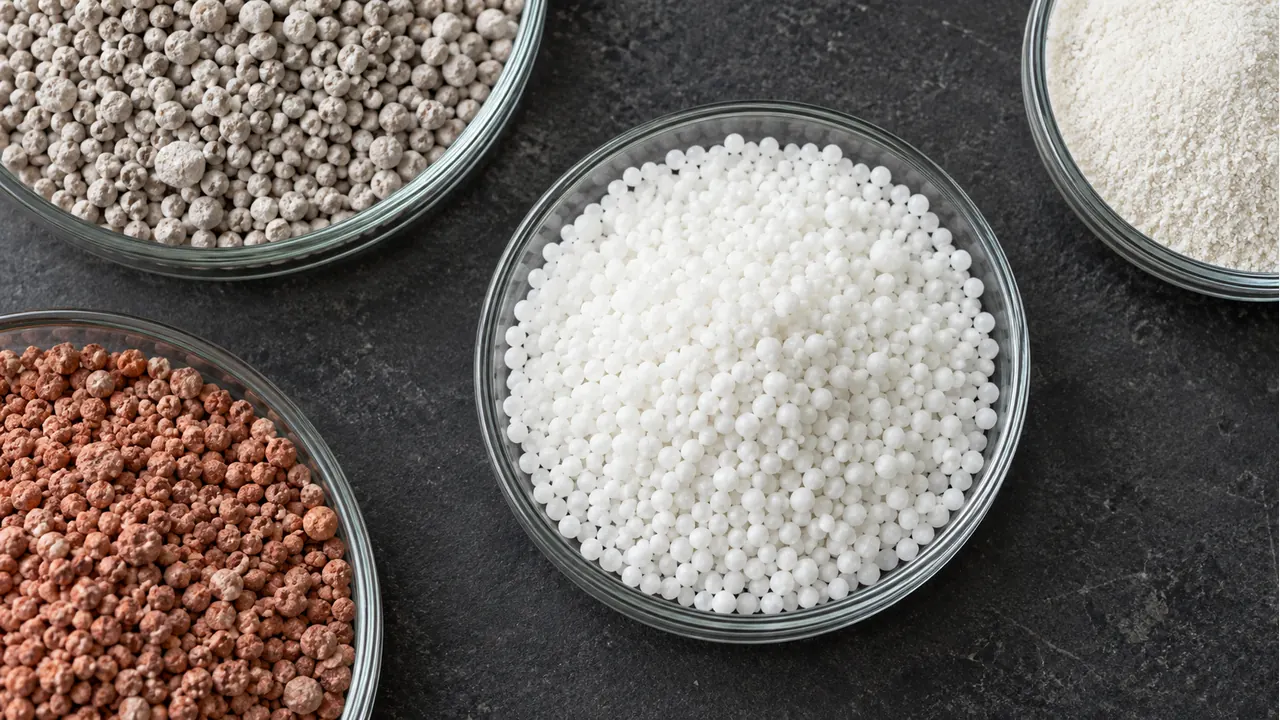
N designation
Is not the complete specification.
Particle size
Has to fit the blend.
Untested claims
Do not establish storage performance.
Solution Synthesis Through to Prills or Granules
Urea solution is concentrated and formed into solids by prilling or granulation, followed by the finishing required for that product. Size distribution, fines and mechanical condition are therefore separate from nitrogen analysis. Connect the offered physical data with your blend's size match and handling observations rather than using particle diameter alone to predict performance.
Create the urea solution
Industrial synthesis uses ammonia and carbon dioxide, followed by recovery and concentration stages.
Form the solids
Prilling and granulation create different physical product proposals.
Cool and classify
Finishing and size separation influence fines and the fraction presented to the blending plant.
Retain the physical grade
Keep particle and condition data with nitrogen, moisture and biuret requirements.
- Nutrients
- Nitrogen content and compound purity are different descriptions.
- Particles
- Compare the actual size distribution and condition rather than diameter alone.
- Blending
- Match the offered form with the other components and the handling cycle.
A Defined Shipment Proposal
Retain the approved form and analysis with the proposed grade. We discuss packing and supply conditions against that record. Changes in particle distribution or material condition can then be checked against your acceptance limits.
Continue Your Material Selection
If you blend a water-soluble fertilizer with MAP, specify nutrient declarations and dissolution as well as compound assay.
If your fertilizer blend has a chloride limit, choose potassium sulfate using an explicit chloride result and nutrient basis.
If a promising sample needs to become a repeat purchase, make the approval record as clear as the trial result.
Start with Your Material Brief
Send us the details below to review a concrete grade proposal and the next evaluation step.
- Application and process
- Nutrient: Nitrogen reporting basis
- Material and grade
- Your current grade or one of the relevant product links above.
- Important requirements
- Quality: Moisture and biuret limits; Handling: Your blending and storage conditions
- Purchase scope
- Trial or order quantity, preferred package and destination.
Qingdao Relia Industries Co., Ltd. · China manufacturing of industrial minerals, chemicals and the listed packaging products.
10 / 11Speak with Our Materials Team
Qingdao Relia Industries Co., Ltd.
Tell Relia the material, application, required grade, quantity and destination. Include the product link or the key limits you already use, so the next conversation starts with a concrete proposal.
Phone
+86 18561762631Call to discuss your enquiry.Qingdao contact address
Shuyuan Road, Qingdao,Shandong, ChinaQingdao contact address for the company.