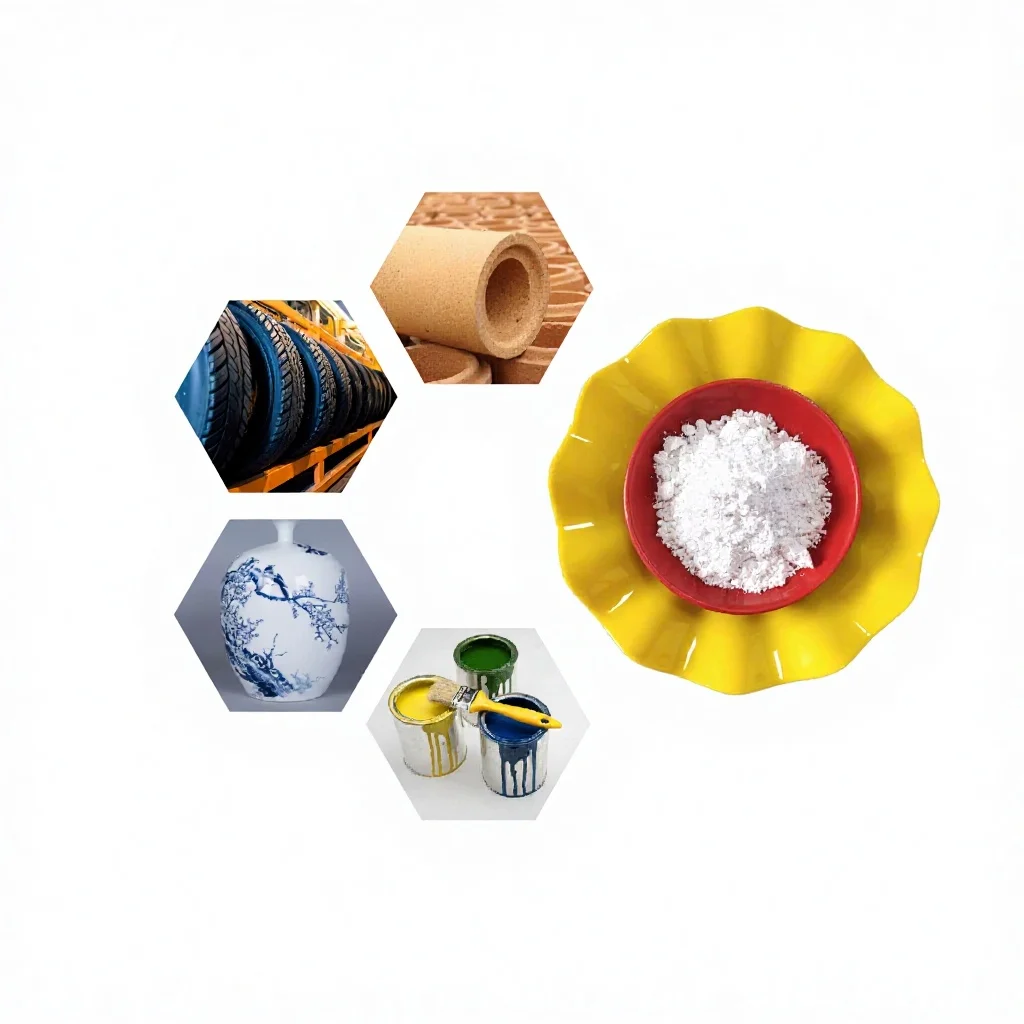
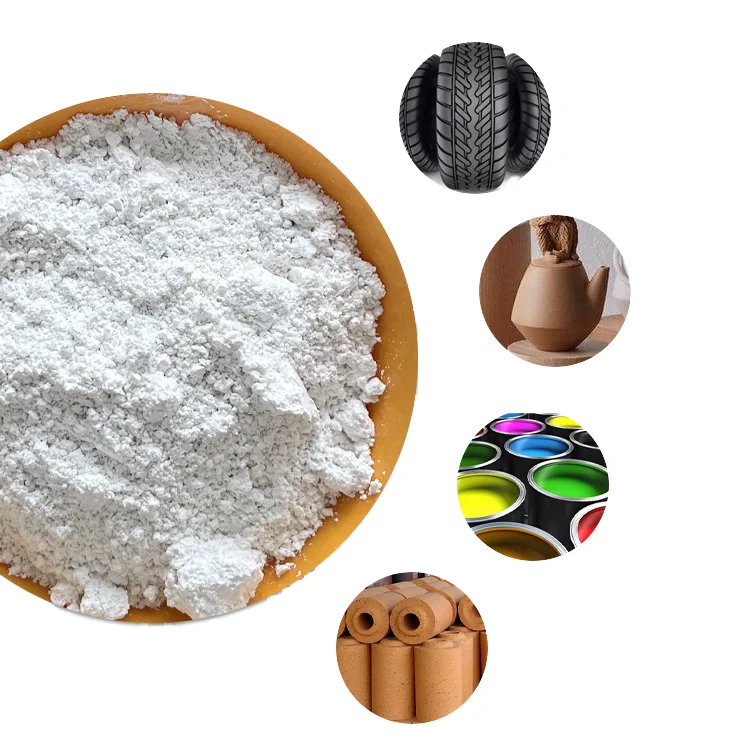
Kaolin Selection for White Ceramic Bodies and Glazes
If you source kaolin for a white ceramic body or glaze, the firing result matters more than the raw powder colour.
Relia's listed grades can be reviewed for mineral form, oxide data and relevant impurities.
- Role
- Body or glaze requirement
- Chemistry
- Iron, titanium and relevant oxides
- Firing
- Colour and product acceptance
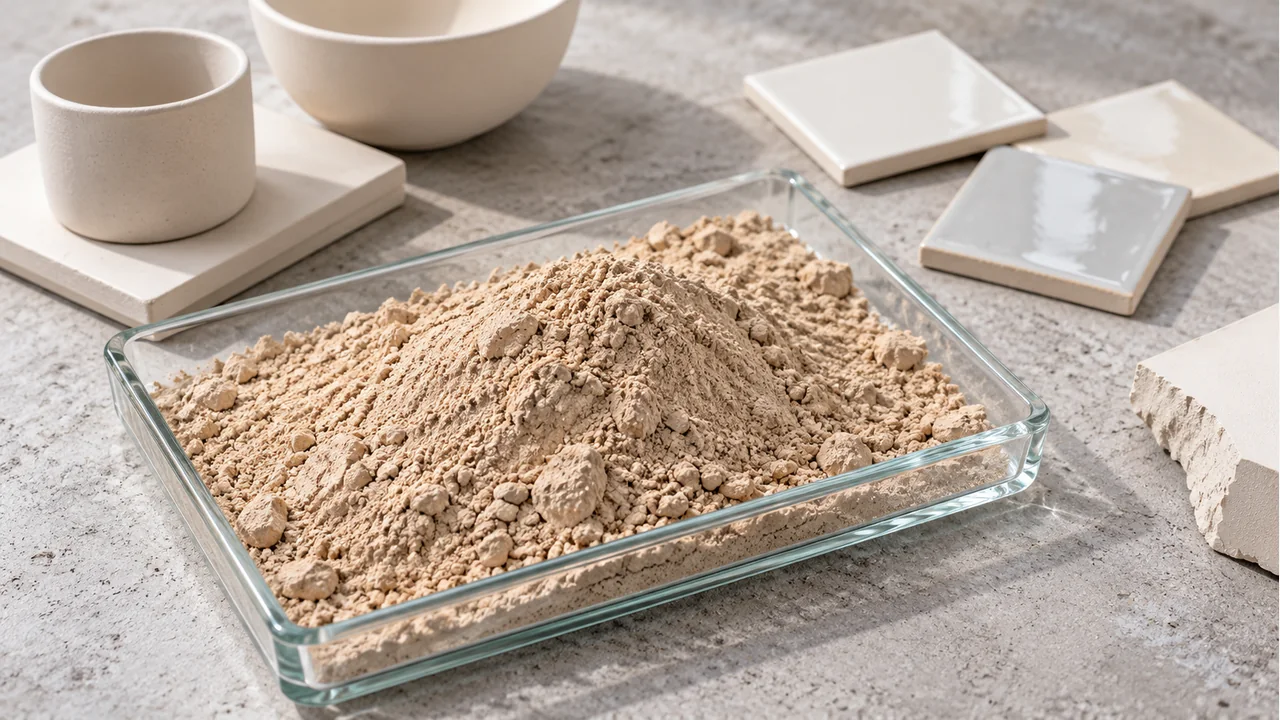
From Your Requirement to a Defined Grade
Relia manufactures kaolin and calcined-kaolin materials in China through its own factories.
We can review the kaolin enquiry with your body or glaze formulation and firing schedule. Give us the accepted reference, colour limits and any forming requirement. A hydrous and a calcined kaolin proposal should stay distinct, with the offered specification connected to the actual ceramic trial.
Role
Body or glaze requirement
Chemistry
Iron, titanium and relevant oxides
Mineral
Form and particle information
Firing
Colour and product acceptance
Body and Glaze Priorities
The ceramic-kaolin entries carry different oxide information and incomplete fields. GLT-030, for example, lists specific iron and titanium values; other entries leave some fields blank. We use these differences to request an actual grade analysis, then compare fired colour and the relevant body or glaze properties.
Body or glaze requirement
Iron, titanium and relevant oxides
Colour and product acceptance
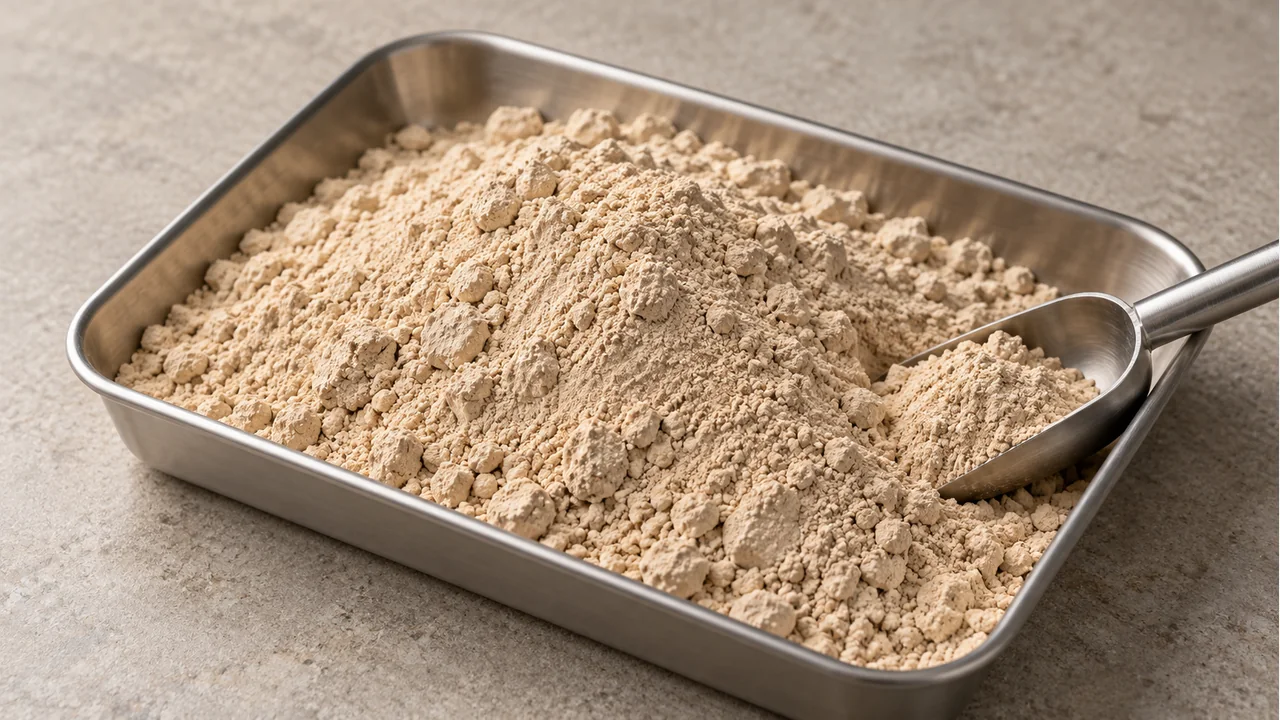
Ceramic Kaolin Data Before the Firing Trial
| Review area | Listed data and acceptance basis | Use in your selection |
|---|---|---|
| GLT-030 · 5888 | The entry lists Fe2O3 0.21% and TiO2 0.45%. Confirm these against the offered grade and batch analysis. | Use this item to define the candidate and the evidence needed for your application. |
| Kaolin · 5960 | The title gives 325–1250 mesh. Its catalogue iron field is 0.22 under a percent-labelled heading; obtain a clear analysis. | Use the same particle measurement basis, then review dispersion and the result in your process. |
| Kaolin · 5838 | The entry covers 300–6000 mesh and leaves iron/titanium fields blank. A blank is not a zero-impurity result. | Use the same particle measurement basis, then review dispersion and the result in your process. |
| Fired reference | Keep body or glaze recipe, firing schedule, fired colour and relevant dimensional or surface acceptance together. | Match the stated measurement method and compare the appearance in your finished material. |
Compare the Product Candidates
Use these listed candidates to start a grade-specific discussion with us.
A Shared Firing Comparison
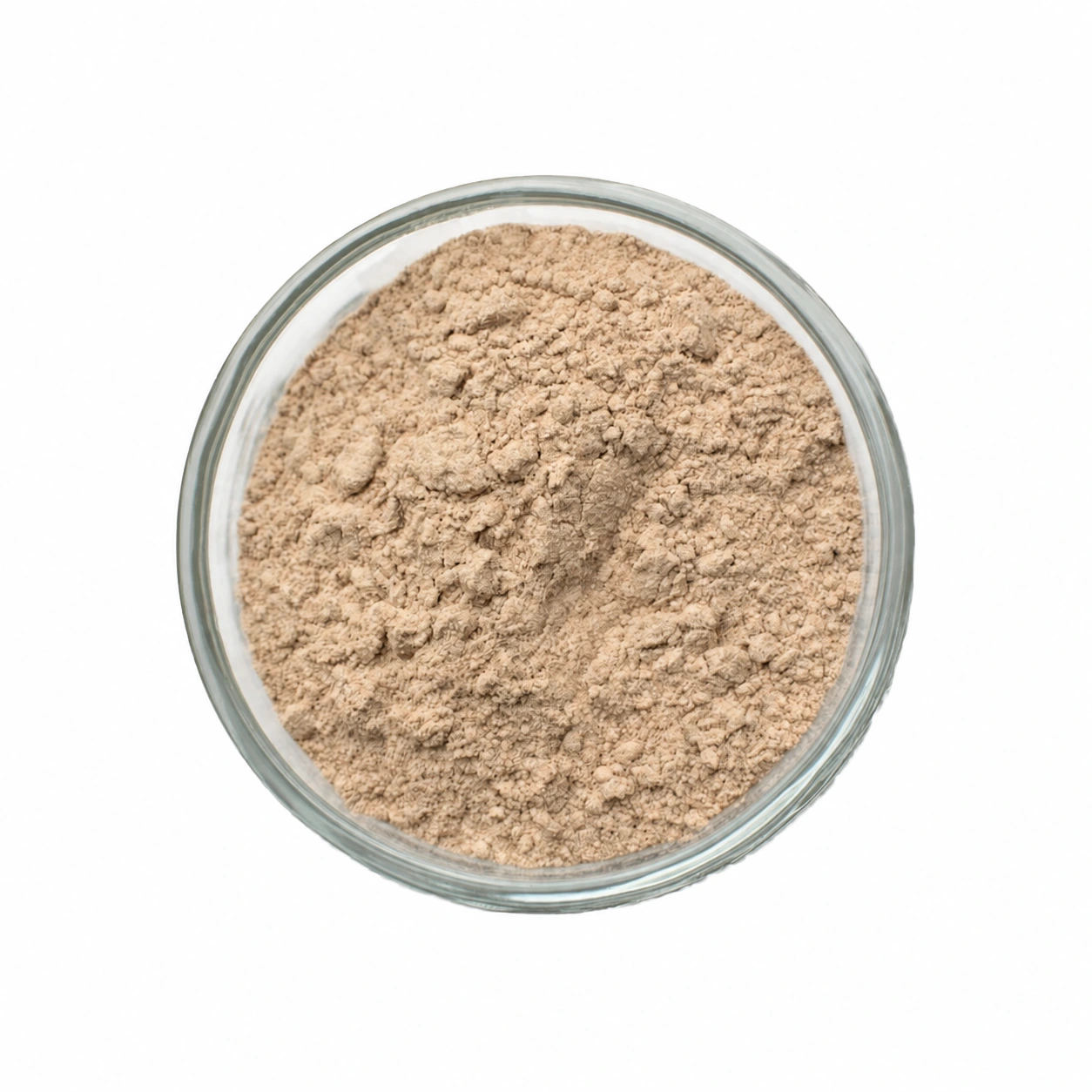
Prepare the intended body or glaze under matched firing conditions. Compare fired colour with the relevant dimensions, surface and other acceptance tests. A raw-powder photograph cannot qualify ceramic whiteness, particularly when iron or titanium limits are important to your formulation.
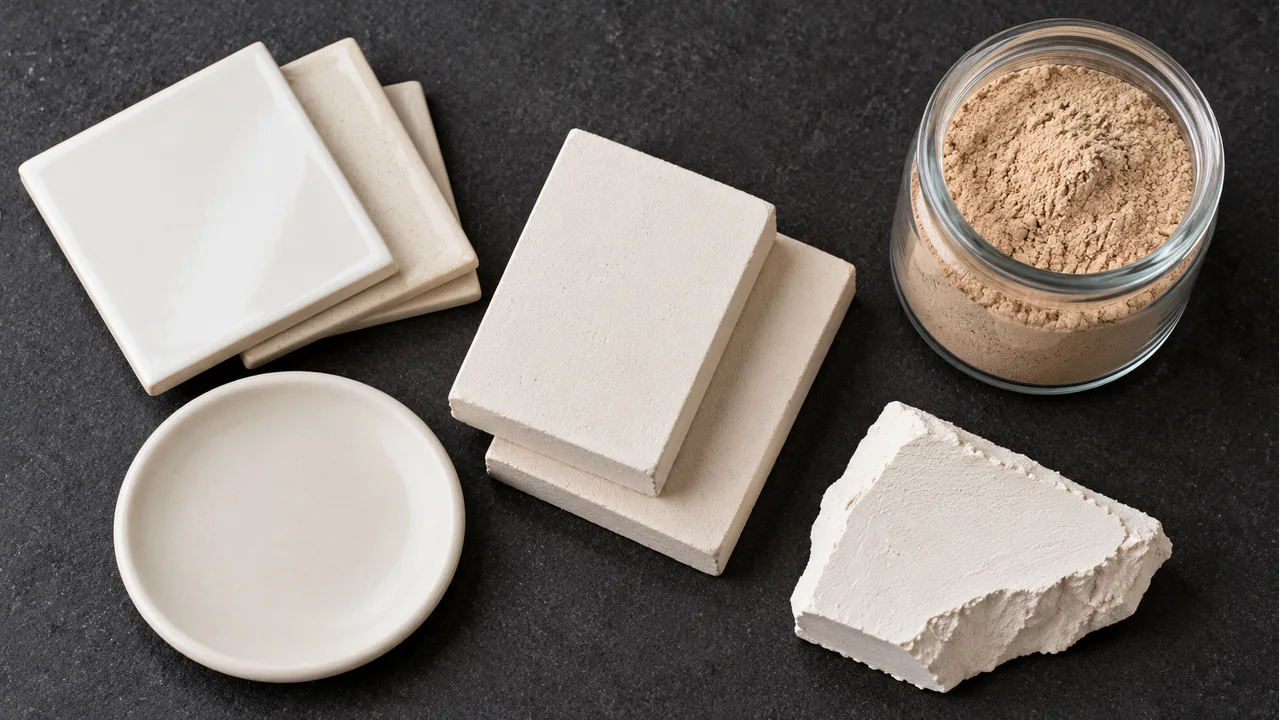
Raw whiteness
Does not establish fired whiteness.
Different roles
Need their own limits.
Source changes
Review against the fired reference.
Classification, Impurity Control and Thermal Treatment
Kaolin preparation can include classification, impurity separation and drying; calcination is an additional structural change. That distinction matters to a ceramic formulation because raw-material behaviour and the fired result are separate evaluations. Review iron and other relevant oxide limits, then compare formed and fired specimens under the same schedule.
Prepare the clay
Mineral selection, size separation and appropriate purification define the starting kaolin grade.
Control associated material
Relevant impurity analysis establishes the outcome of any separation or purification stage.
Distinguish the thermal route
Hydrous and calcined material are different proposals; calcination changes the clay structure.
Connect the end-use result
Ceramic firing and binder-reactivity evaluation are different tasks and need their own accepted measurements.
- Identity
- Keep hydrous, calcined and reactive-addition claims clearly distinguished.
- Chemistry
- Retain actual oxide and relevant impurity requirements.
- Performance
- Use fired-colour or activity evidence appropriate to the intended application.
Approval with the Fired Reference
The accepted ceramic result and kaolin specification form the purchase basis. We discuss the proposed supply grade against that record. A new source or firing schedule provides a clear reason for another review.
Continue Your Material Selection
If you buy wollastonite for ceramics, start with batch chemistry and the fired body or glaze you need.
If you are buying metakaolin for cement or mortar, ask for the evidence of reactivity your formulation actually needs.
If you buy quartz sand for glassmaking, a high SiO2 figure must be accompanied by the impurity and grading data your glass batch needs.
Start with Your Material Brief
Send us the details below to review a concrete grade proposal and the next evaluation step.
- Application and process
- Role: Body or glaze requirement
- Material and grade
- Your current grade or one of the relevant product links above.
- Important requirements
- Chemistry: Iron, titanium and relevant oxides; Firing: Colour and product acceptance
- Purchase scope
- Trial or order quantity, preferred package and destination.
Qingdao Relia Industries Co., Ltd. · China manufacturing of industrial minerals, chemicals and the listed packaging products.
10 / 11Speak with Our Materials Team
Qingdao Relia Industries Co., Ltd.
Tell Relia the material, application, required grade, quantity and destination. Include the product link or the key limits you already use, so the next conversation starts with a concrete proposal.
Phone
+86 18561762631Call to discuss your enquiry.Qingdao contact address
Shuyuan Road, Qingdao,Shandong, ChinaQingdao contact address for the company.