Acicular Wollastonite Grades for Polymer Composites
If you need acicular wollastonite for a polymer composite, buy the particle shape as carefully as the chemistry.
Relia lists calcium-silicate grades with oxide and mesh information.
- Matrix
- Polymer and intended part
- Morphology
- Aspect ratio and method
- Composite
- Mechanical and dimensional results
A Factory Proposal for Your Application
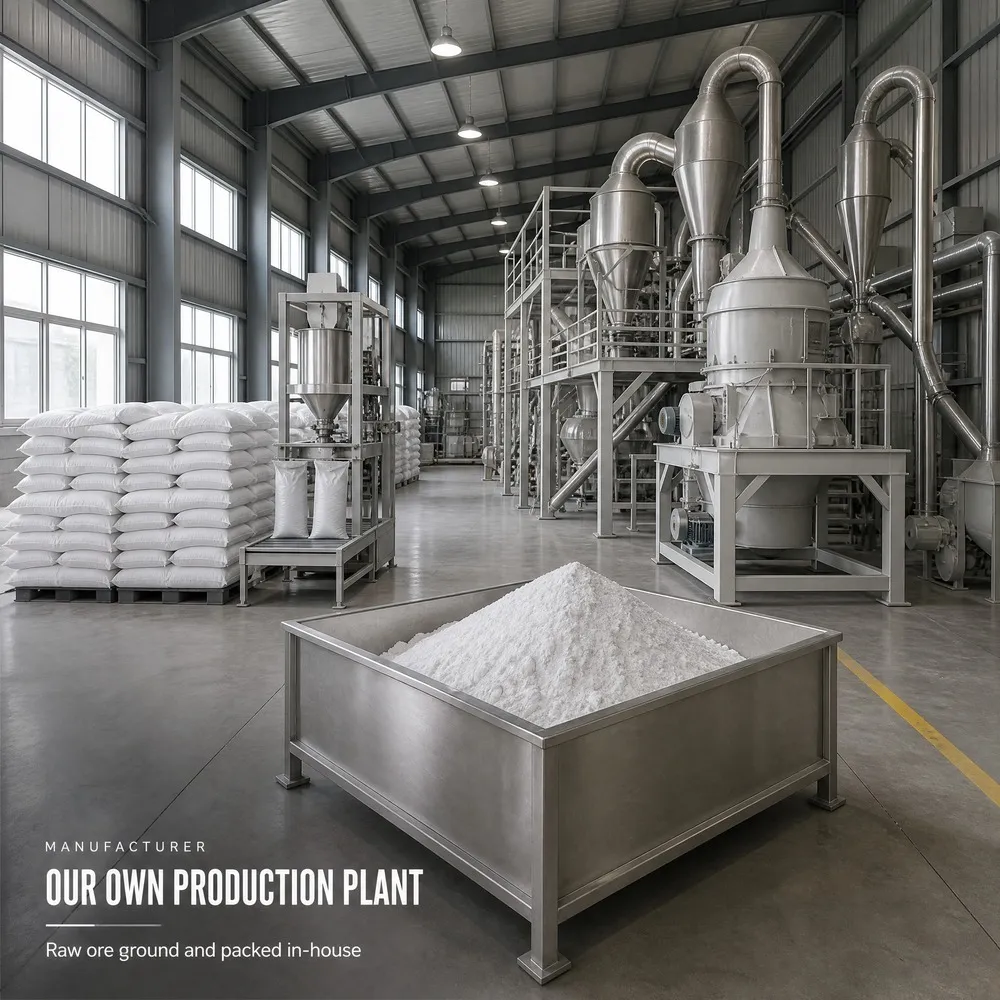
Relia manufactures wollastonite calcium-silicate materials in China through its own factories.
Our wollastonite enquiry should identify the polymer, reinforcement objective and processing route. Give us the required chemistry and any length or aspect-ratio evidence you already use. A listed mesh range helps locate candidates, while the offered morphology and your compounded part support the final grade choice.
Matrix
Polymer and intended part
Morphology
Aspect ratio and method
Powder
Chemistry and particle distribution
Composite
Mechanical and dimensional results
The Shape Requirement
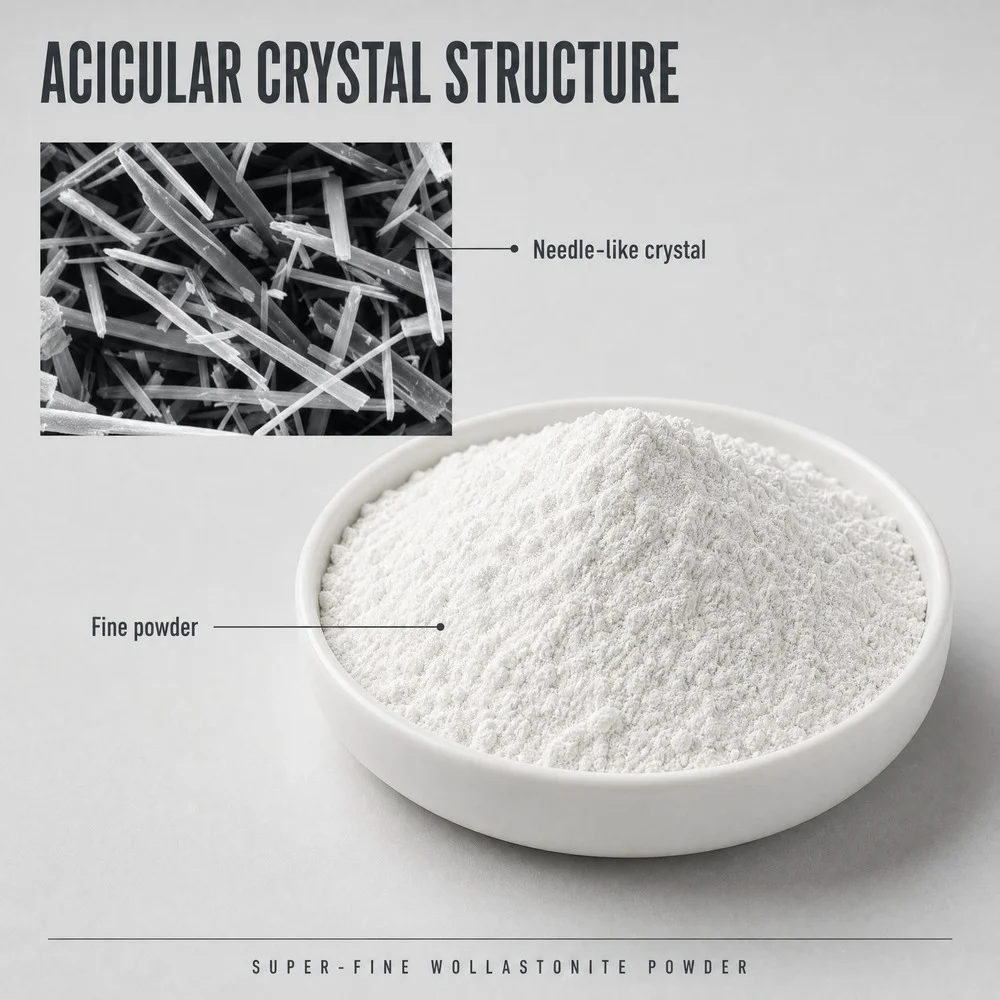
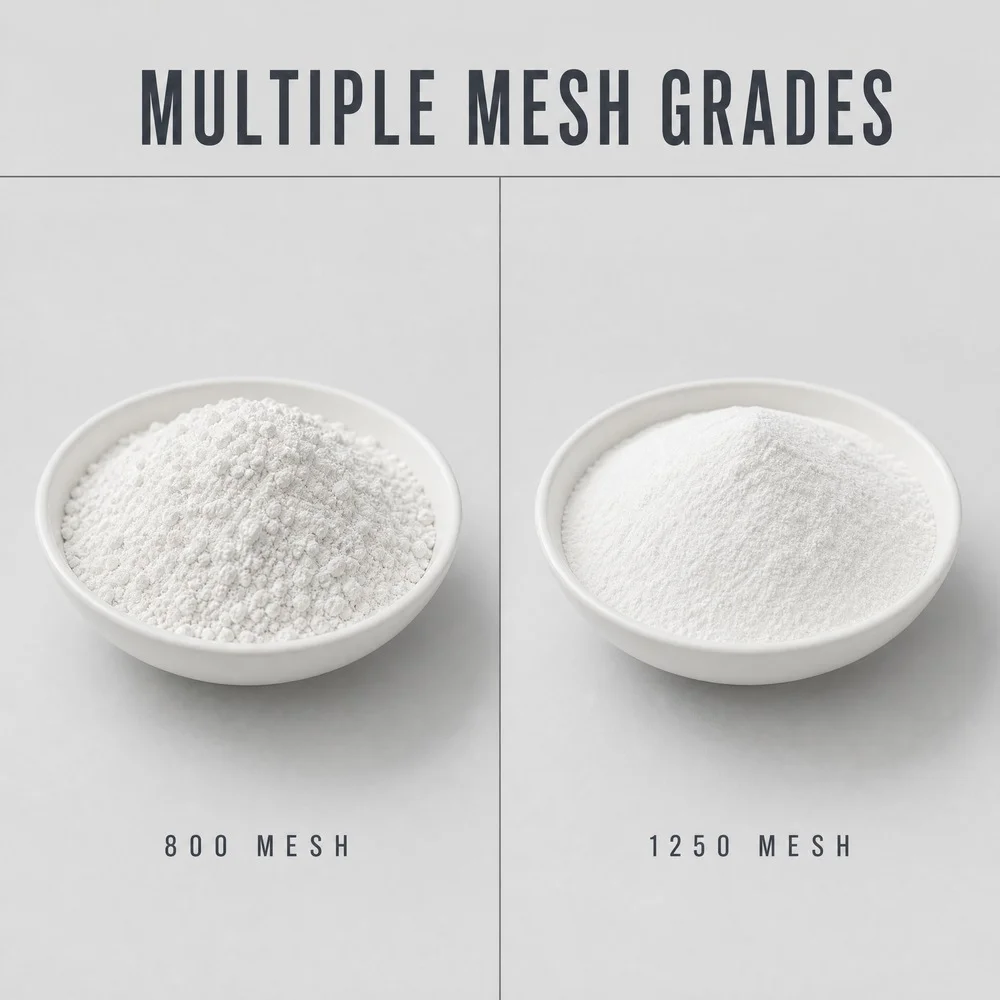
Our wollastonite range includes a 200–2000 mesh entry and an 800/1250 mesh entry. Both are described as needle-shaped, but mesh does not supply a measured aspect ratio. For engineering plastics, we ask for length, diameter and treatment information alongside the actual chemistry before narrowing a reinforcing-mineral proposal.
Polymer and intended part
Aspect ratio and method
Mechanical and dimensional results
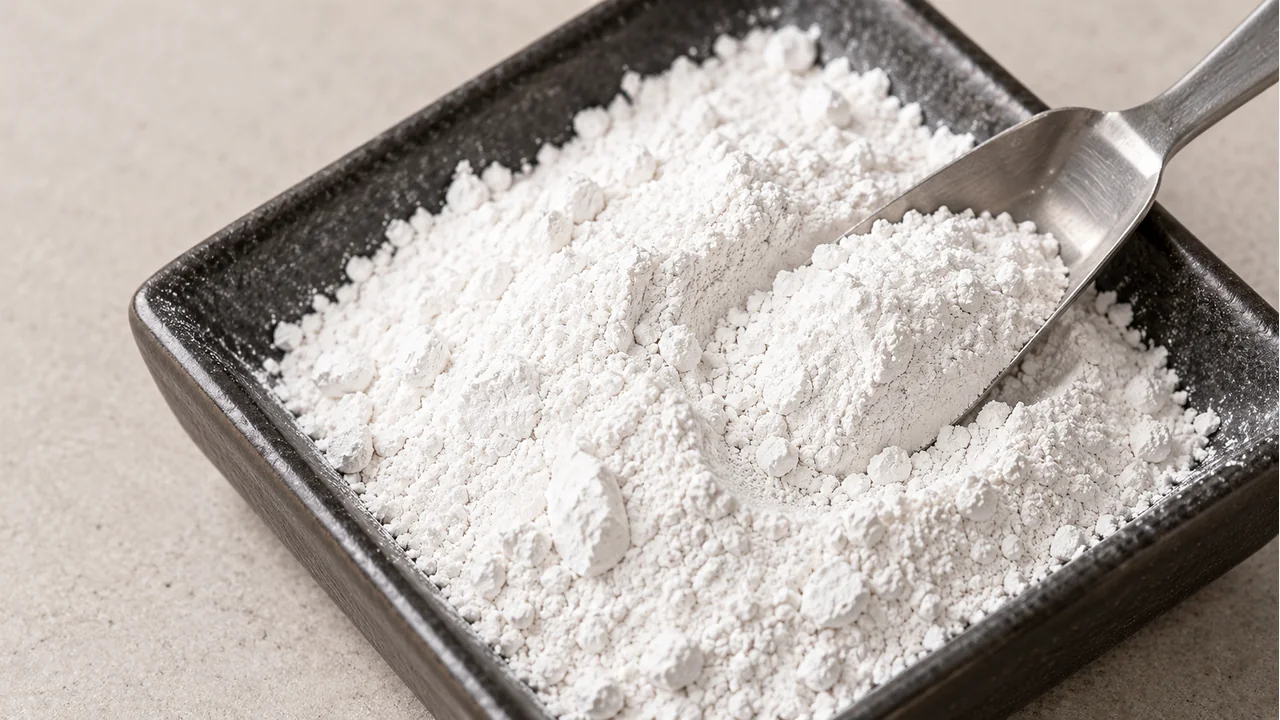
Acicular Mineral Data Beyond Mesh
| Review area | Listed data and acceptance basis | Use in your selection |
|---|---|---|
| Wollastonite · 6623 | CaO is listed 41–43% and SiO2 49–51%, with Fe2O3 no more than 0.2%. These are separate oxide fields. | Use this item to define the candidate and the evidence needed for your application. |
| Acicular grade · 6380 | The entry lists 800 and 1250 mesh, SiO2 48–51% and Fe2O3 no more than 1.2%. Confirm the selected option. | Use the same particle measurement basis, then review dispersion and the result in your process. |
| Morphology | Request measured length/diameter information and the relevant distribution, rather than infer aspect ratio from mesh. | Use the same particle measurement basis, then review dispersion and the result in your process. |
| Moulded component | Define stiffness, impact, shrinkage and warpage limits in the intended resin and geometry. | Use your required finished-product result as the acceptance point for the candidate. |
Relevant Grades for Your Shortlist
Use these listed candidates to start a grade-specific discussion with us.
A Composite Trial with Context
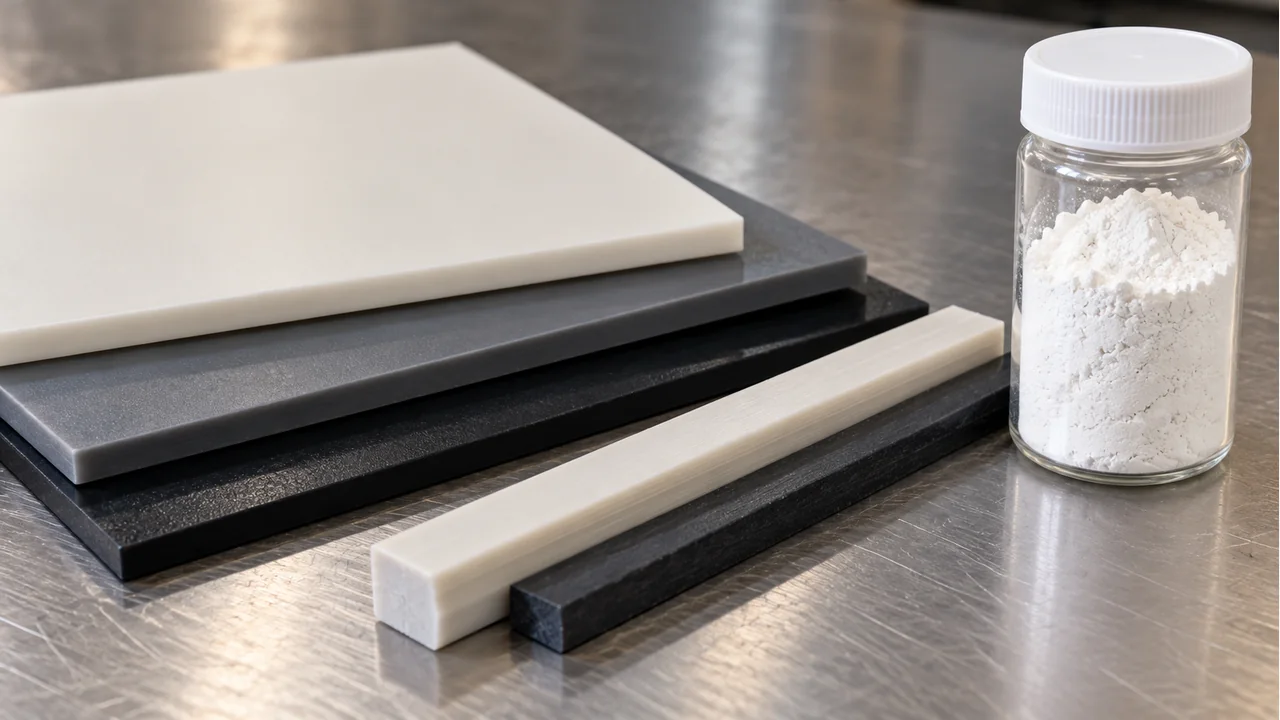
Keep the resin, loading and moulding conditions comparable. Record relevant properties along and across the flow direction where that matters for the component. The accepted result should retain the offered mineral's morphology and treatment data so a later particle change remains visible.
Mesh alone
Does not define aspect ratio.
Before processing
May not describe the final morphology.
Generic claims
Need the actual matrix trial.
Separation and Shape-Sensitive Size Reduction
Mineral separation controls associated impurities, while size reduction and classification affect the length distribution and acicular character. Aggressive processing can shorten particles, including during compounding. Connect the supplied morphology measurements with the test specimen and processing history rather than assuming a mesh value specifies the reinforcing shape remaining in the finished component.
Identify the source material
Wollastonite is a calcium-silicate mineral with associated chemistry and impurity considerations.
Separate associated minerals
Relevant separation stages are intended to control non-target material, with the actual result established by grade analysis.
Reduce and classify
Size reduction affects length and acicular character as well as the nominal size fraction.
Retain application evidence
A polymer reinforcement and a ceramic oxide addition need different acceptance measurements.
- Chemistry
- Keep the actual oxide ranges and impurity limits separately visible.
- Morphology
- Request length or aspect-ratio evidence where shape is a selection criterion.
- Processing
- Check the grade in the actual compounding or firing sequence used for the product.
A Grade Linked to the Result
Retain the accepted composite and proposed filler identity in the purchase file. We discuss supply with the agreed morphology and batch requirements. A process or grade change has a defined review point.
Choose the Next Useful Guide
If you make PP mouldings, a stiffer part is useful only if impact, shrinkage and warpage remain acceptable.
If you are evaluating calcium sulfate whiskers in rubber or polymers, confirm both the calcium-sulfate phase and the actual whisker form.
If you buy wollastonite for ceramics, start with batch chemistry and the fired body or glaze you need.
Start with Your Material Brief
Send us the details below to review a concrete grade proposal and the next evaluation step.
- Application and process
- Matrix: Polymer and intended part
- Material and grade
- Your current grade or one of the relevant product links above.
- Important requirements
- Morphology: Aspect ratio and method; Composite: Mechanical and dimensional results
- Purchase scope
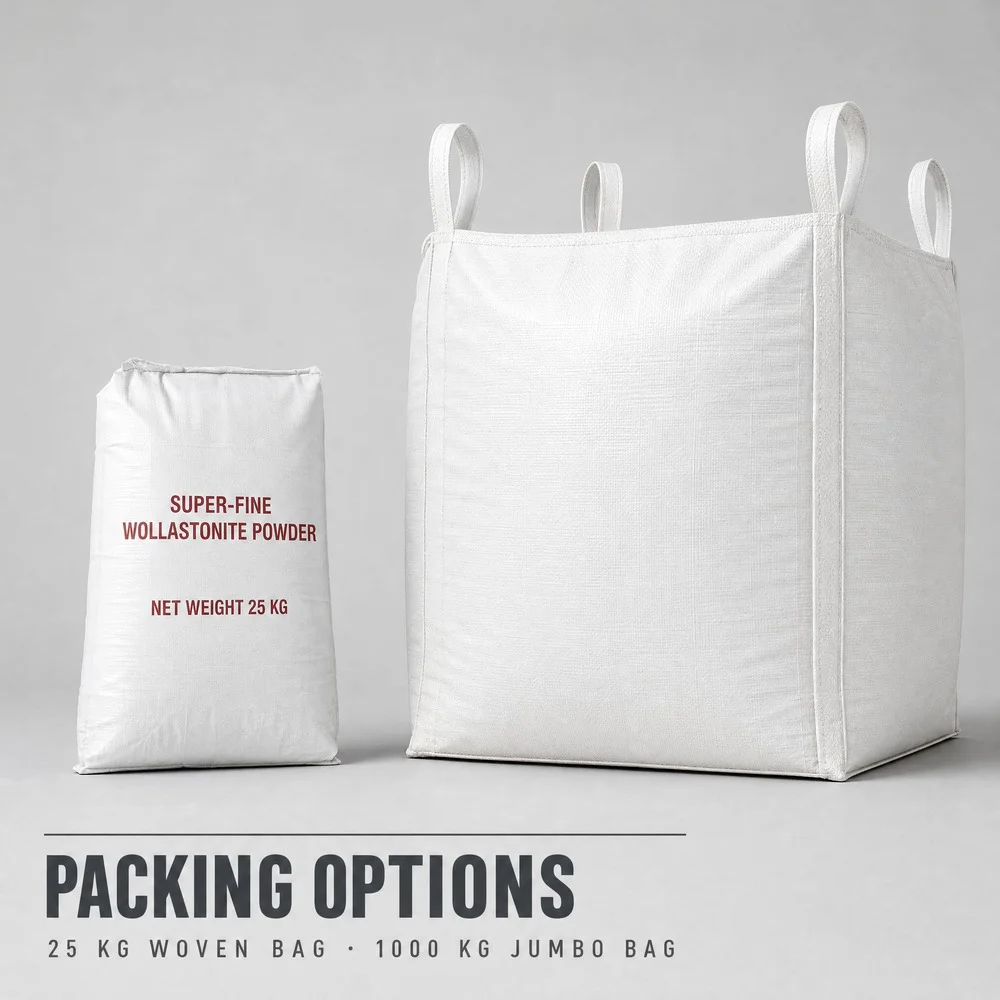
- Trial or order quantity, preferred package and destination.
Qingdao Relia Industries Co., Ltd. · China manufacturing of industrial minerals, chemicals and the listed packaging products.
10 / 11Speak with Our Materials Team
Qingdao Relia Industries Co., Ltd.
Tell Relia the material, application, required grade, quantity and destination. Include the product link or the key limits you already use, so the next conversation starts with a concrete proposal.
Phone
+86 18561762631Call to discuss your enquiry.Qingdao contact address
Shuyuan Road, Qingdao,Shandong, ChinaQingdao contact address for the company.