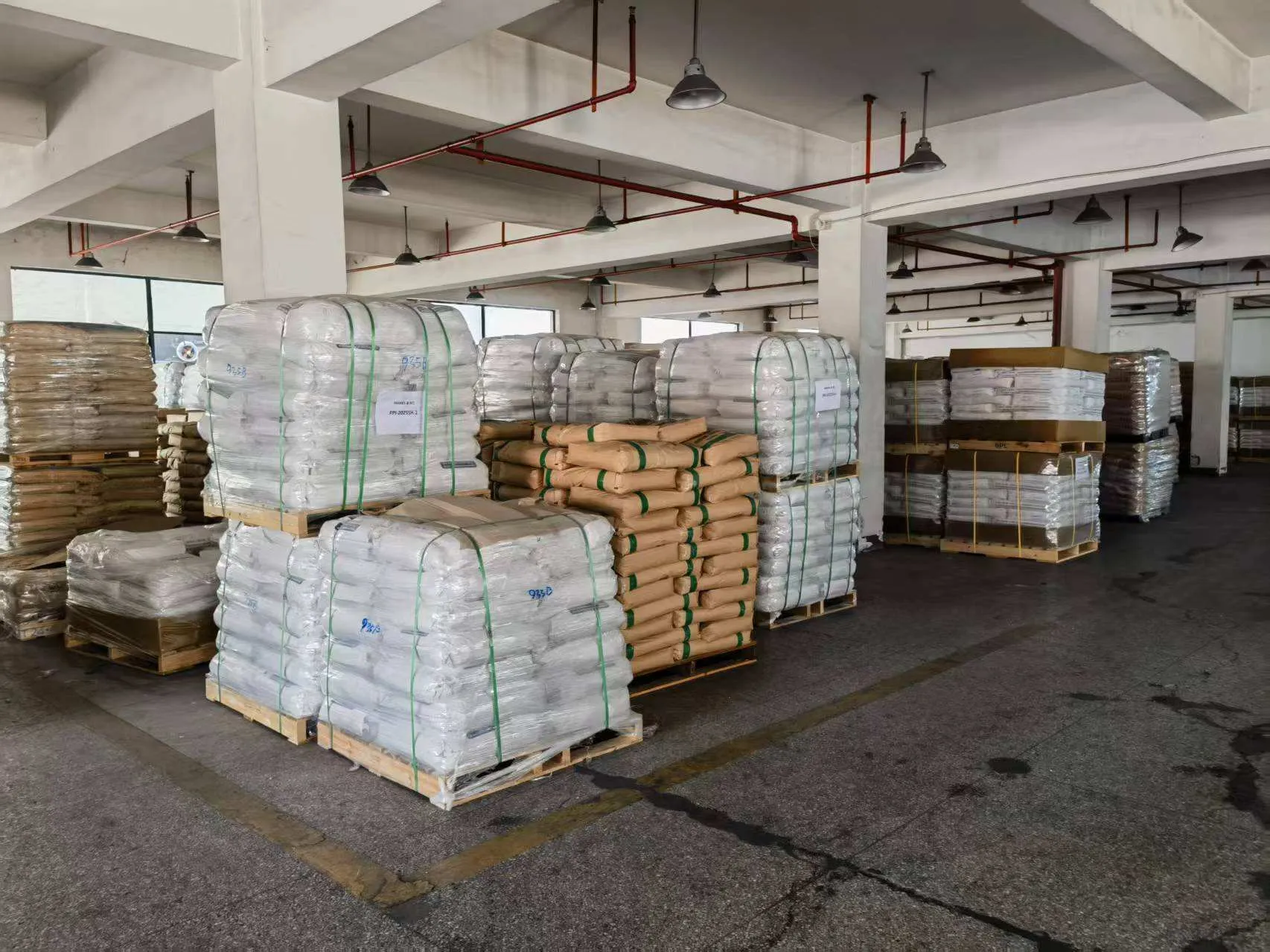
Talc Selection for Latex and Insulation Foams
If talc is being considered for latex or insulation foam, qualify it within that specific foam system.
Relia's catalogue provides candidates for reviewing mineral identity, particle data and supplied condition.
- System
- Latex or insulation-foam type
- Powder
- Mineral and particle identity
- Thermal
- Complete-product evaluation if required
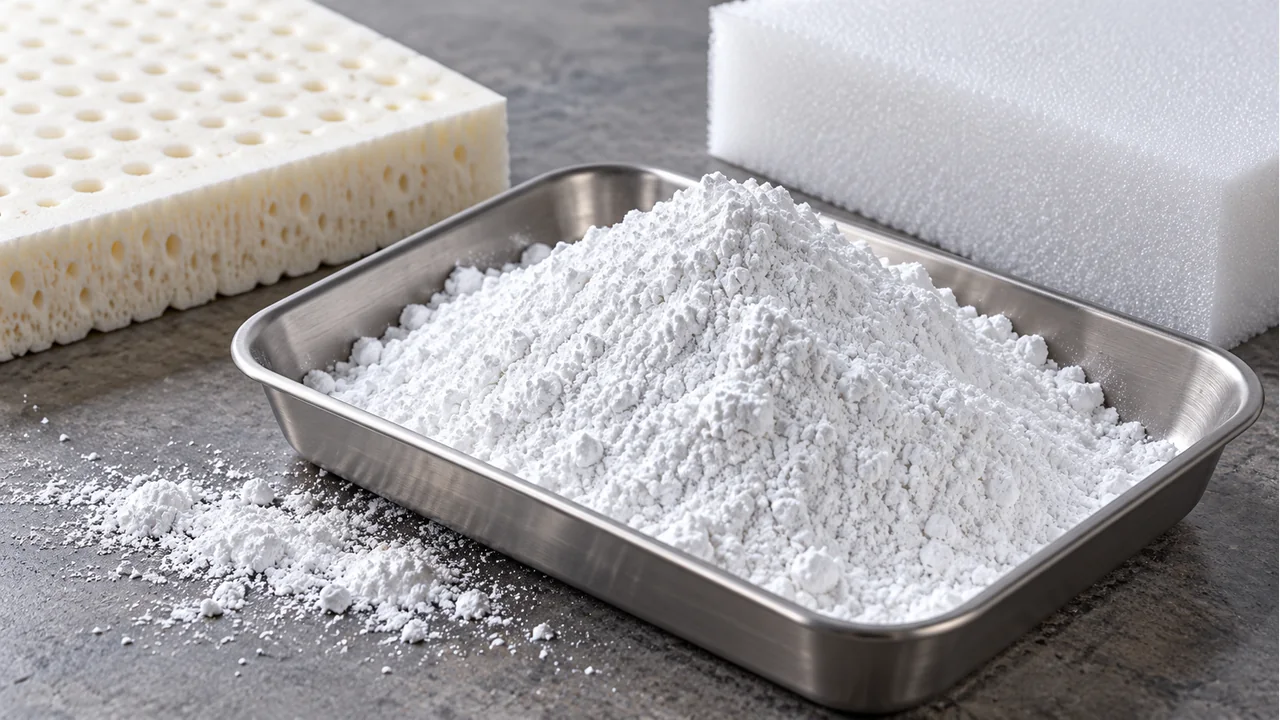
Manufacturing Support for This Purchase
Relia manufactures industrial talc materials in China through its own factories.
We can review the talc enquiry against your latex or other foam formulation and its process. Give us the current additive, cell or appearance issue and the finished-product limits. The proposed mineral should remain identifiable through the comparison, especially when thermal or insulation requirements belong to the final foam.
System
Latex or insulation-foam type
Powder
Mineral and particle identity
Cells
Your processing and structure targets
Thermal
Complete-product evaluation if required
The Actual Foam System
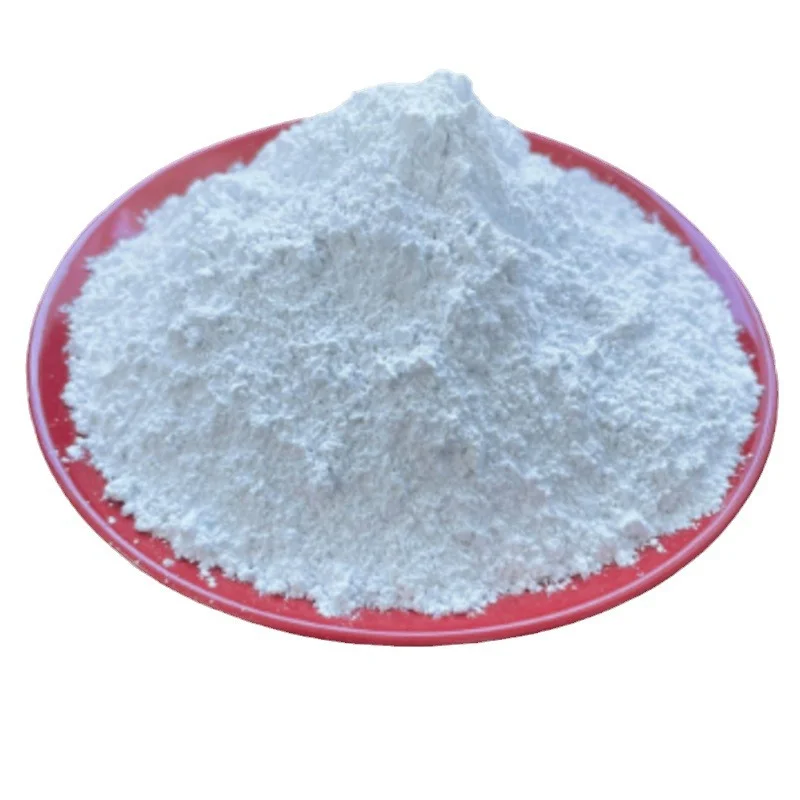
The FT-AYB92P entry for insulation and latex foam carries a 1000–1250 mesh designation. Another listing uses the same model name with a different mesh range. We identify the exact entry and offered grade before comparing material samples, so a familiar code does not conceal a different particle proposal.
Latex or insulation-foam type
Mineral and particle identity
Complete-product evaluation if required
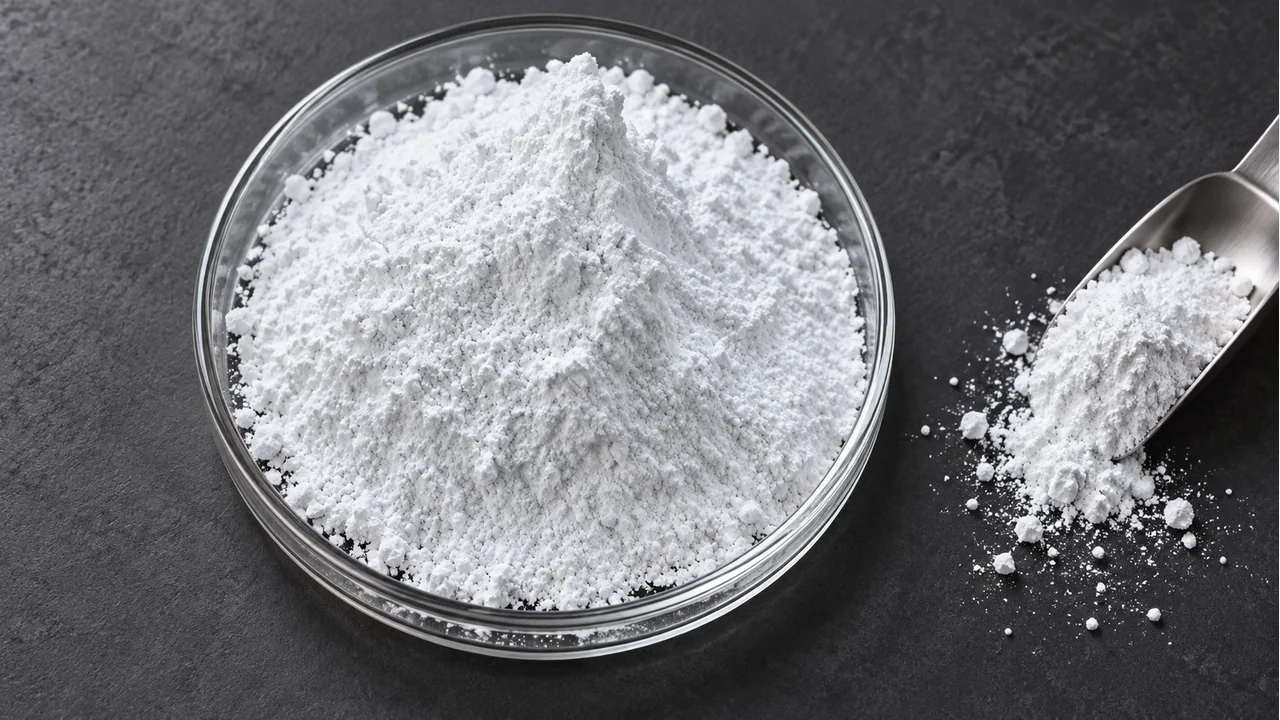
Insulation and Latex Foam Need Their Own Talc Review
| Review area | Listed data and acceptance basis | Use in your selection |
|---|---|---|
| FT-AYB92P · 6586 | This entry states 1000–1250 mesh for insulation and latex foam enquiries. Keep the product reference with the model. | Use the same particle measurement basis, then review dispersion and the result in your process. |
| Broader foam entry · 6574 | The listing covers EVA, NBR, latex and insulation. Confirm the actual grade proposed for your system. | Use this item to define the candidate and the evidence needed for your application. |
| Foam process | Specify latex or polymer identity, expansion method and the physical form your mixing equipment accepts. | Keep chemical identity, assay basis and the actual offered grade in the same specification. |
| Product limits | Agree density, cell consistency, compression behaviour and relevant insulation-product acceptance before a trial. | Use your required finished-product result as the acceptance point for the candidate. |
Explore the Related Material Grades
Use these listed candidates to start a grade-specific discussion with us.
The Complete Foam Evaluation
Use the intended foam system and controlled expansion conditions. Compare density, cell consistency and the finished properties required by the insulation or cushioning product. We keep that result separate from a shoe-sole trial because the polymer and acceptance priorities may be different.
Footwear results
Do not qualify another foam.
Missing tables
Need real grade data.
Thermal claims
Require complete-product evidence.
Mineral Selection, Milling and Classification
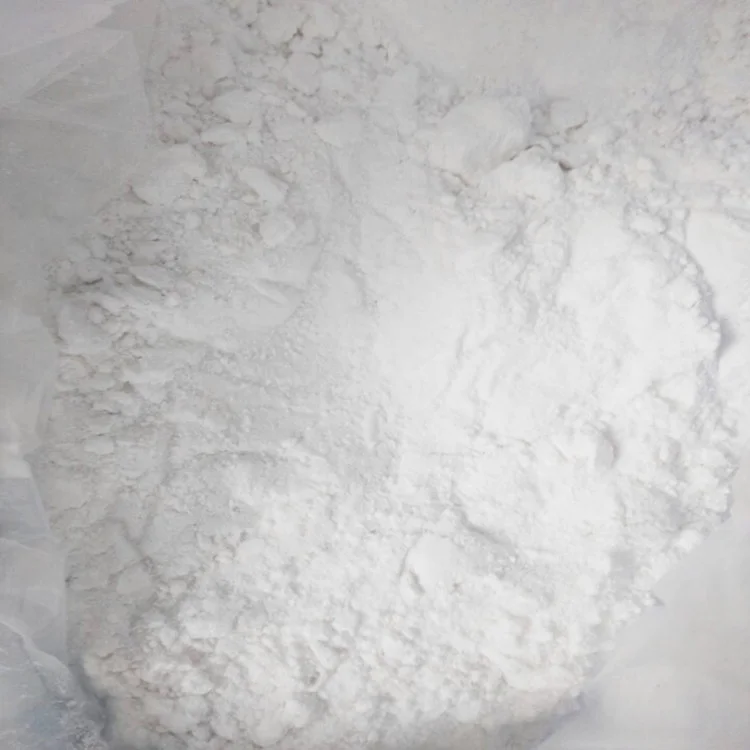
Milling and classification determine the talc fraction entering the foam preparation stage. Supplied moisture, agglomeration and dispersion then become relevant to the actual formulation. Compare the declared powder condition with the same mixing and foaming settings; any thermal claim needs a measurement on the finished foam under the relevant conditions.
Define the mineral grade
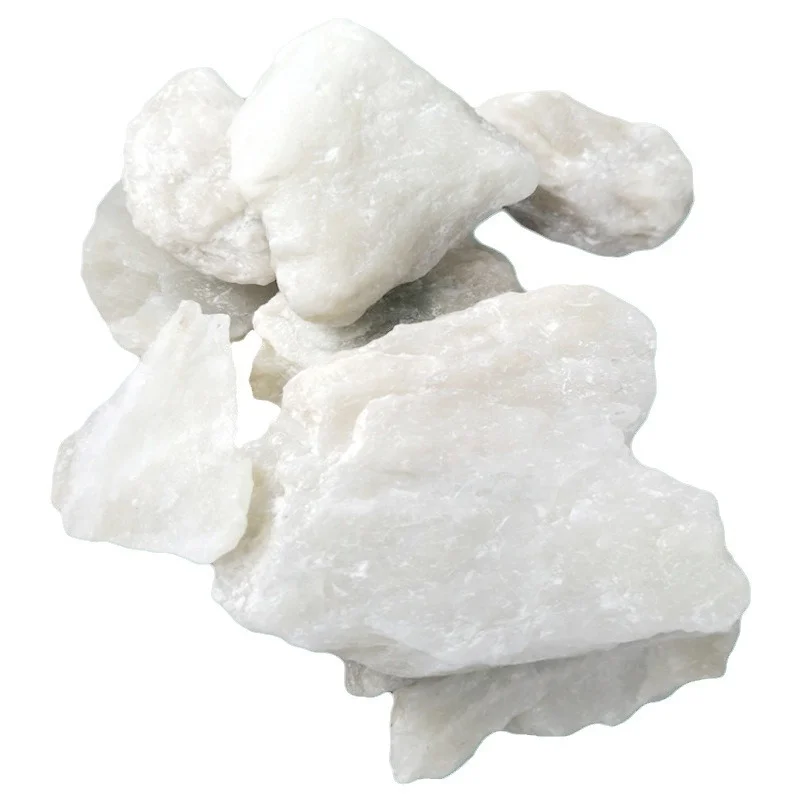
Talc proposals need their own composition and relevant impurity requirements.
Reduce and classify
Milling and size separation create the particle fraction supplied to the formulation.
Retain the physical description
Platy character, particle distribution and powder condition are separate from a use-related grade title.
Compare in the actual system
Keep those material data with the formulation and process that produce the foam or compound.
- Particles
- Request a distribution relevant to the application instead of relying on mesh alone.
- Condition
- Identify supplied moisture or agglomeration information where it matters.
- Finished material
- Judge the foam or component under matched preparation and test conditions.
Supply within the Tested Window
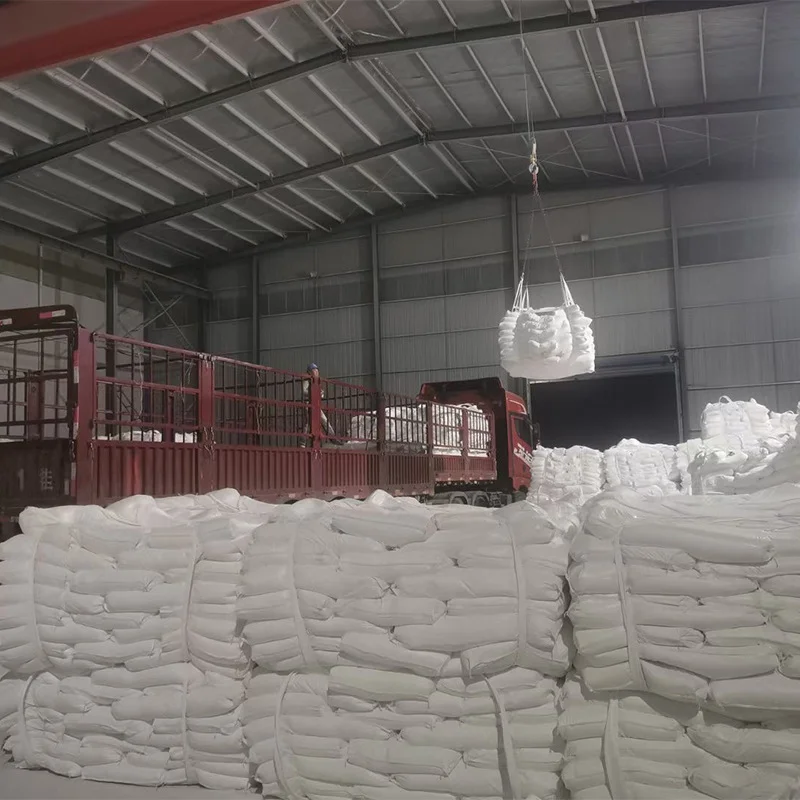
The approved foam and talc identity form the reference for the purchase proposal. We discuss supply against those requirements. Changes in formulation or process call for a relevant review instead of a broad insulation-grade promise.
Connect the Next Purchasing Step
If you formulate EVA or NBR footwear foam, a talc purchase should be tied to your cell structure, density and mechanical targets.
If you buy calcium carbonate for an industrial rubber compound, match the filler to the rubber, cure system and finished-part limits.
If a promising sample needs to become a repeat purchase, make the approval record as clear as the trial result.
Start with Your Material Brief
Send us the details below to review a concrete grade proposal and the next evaluation step.
- Application and process
- System: Latex or insulation-foam type
- Material and grade
- Your current grade or one of the relevant product links above.
- Important requirements
- Powder: Mineral and particle identity; Thermal: Complete-product evaluation if required
- Purchase scope
- Trial or order quantity, preferred package and destination.
Qingdao Relia Industries Co., Ltd. · China manufacturing of industrial minerals, chemicals and the listed packaging products.
10 / 11Speak with Our Materials Team
Qingdao Relia Industries Co., Ltd.
Tell Relia the material, application, required grade, quantity and destination. Include the product link or the key limits you already use, so the next conversation starts with a concrete proposal.
Phone
+86 18561762631Call to discuss your enquiry.Qingdao contact address
Shuyuan Road, Qingdao,Shandong, ChinaQingdao contact address for the company.