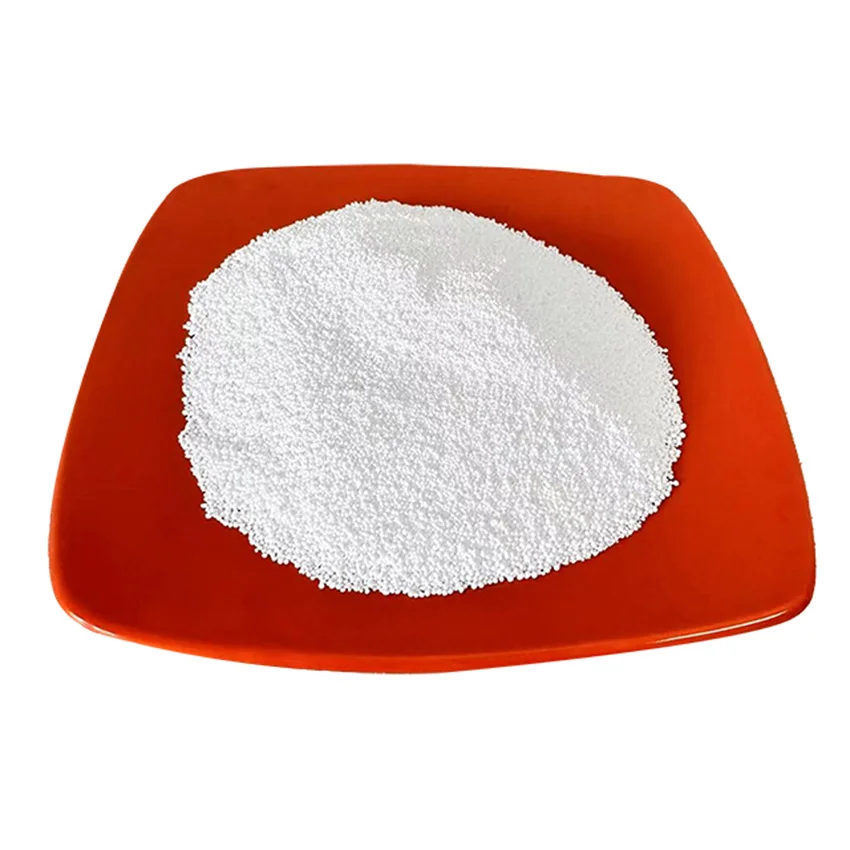
Potassium Carbonate Selection for Specialty Glass
If you buy potassium carbonate for specialty glass, compare the physical form and impurities as well as the K2CO3 assay.
Relia's powder or granular proposals can be reviewed against your feeding and glass-batch requirements.
- Chemistry
- K2CO3 and impurity basis
- Moisture
- Stated method and limits
- Process
- Feed and batch requirements
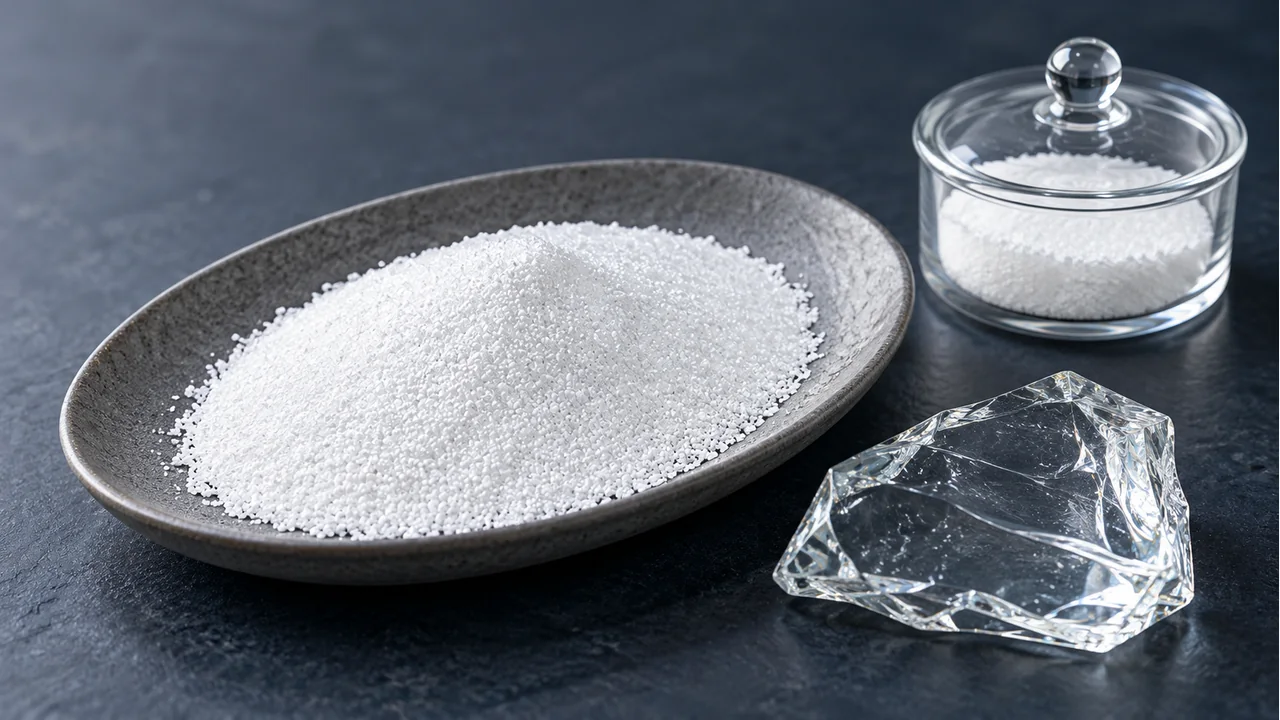
A Factory Proposal for Your Application
Relia manufactures potassium carbonate materials in China through its own factories.
We can review the potassium carbonate enquiry with your glass composition and feeding arrangement. Give us the current material, moisture requirement and critical impurity limits. The proposed powder or granule form should be explicit so your team can evaluate chemistry and handling as related but different purchasing requirements.
Chemistry
K2CO3 and impurity basis
Moisture
Stated method and limits
Form
Powder or granules
Process
Feed and batch requirements
The Glass Requirement
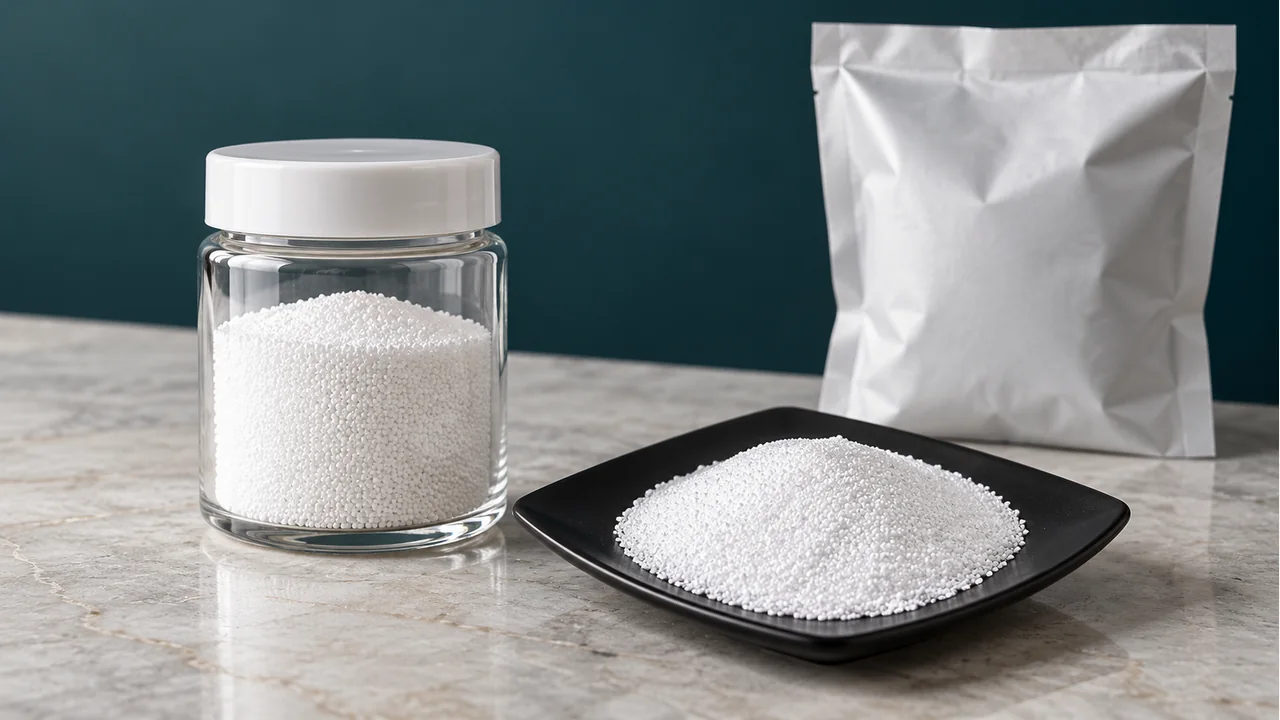
A potassium-carbonate enquiry can start with the white-granule entry or the white-powder entries, all carrying 99%-level descriptions. For specialty glass, we keep impurity and moisture requirements alongside the preferred feed form. A form that handles conveniently still needs the chemistry your glass batch requires.
K2CO3 and impurity basis
Stated method and limits
Feed and batch requirements
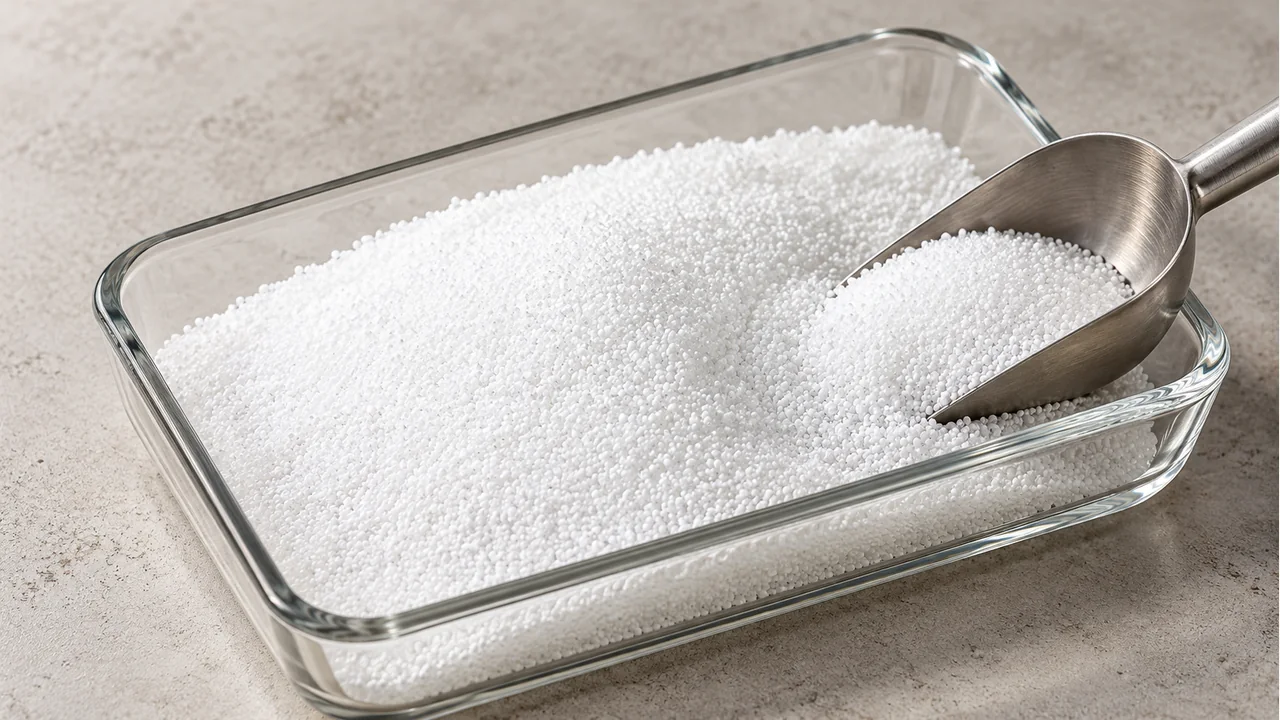
Potassium Carbonate Form and Glass-Batch Limits
| Review area | Listed data and acceptance basis | Use in your selection |
|---|---|---|
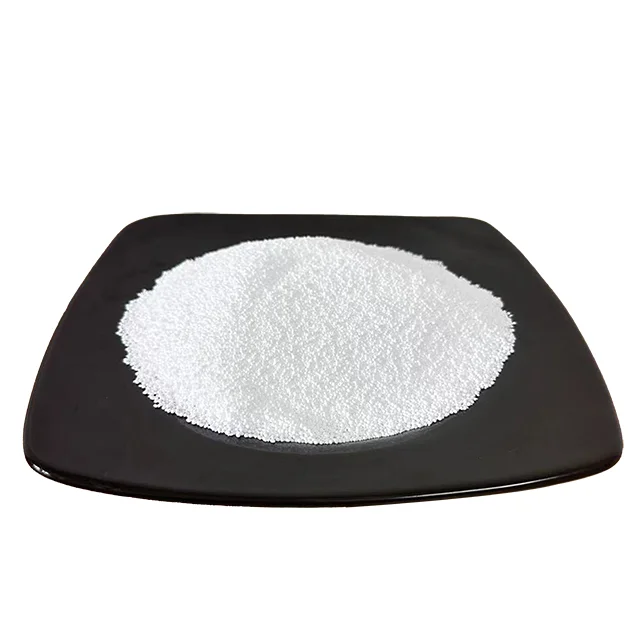
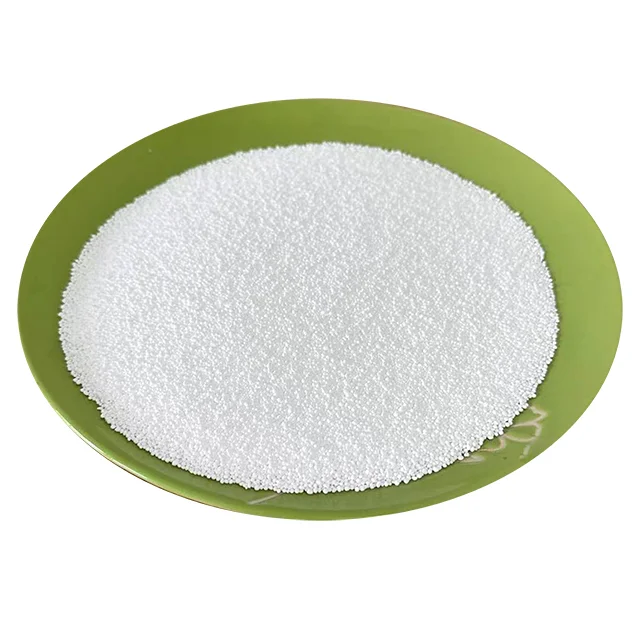
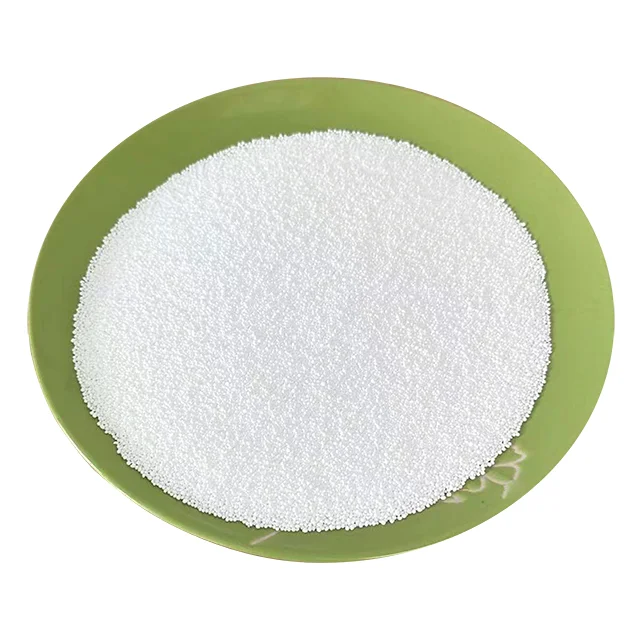
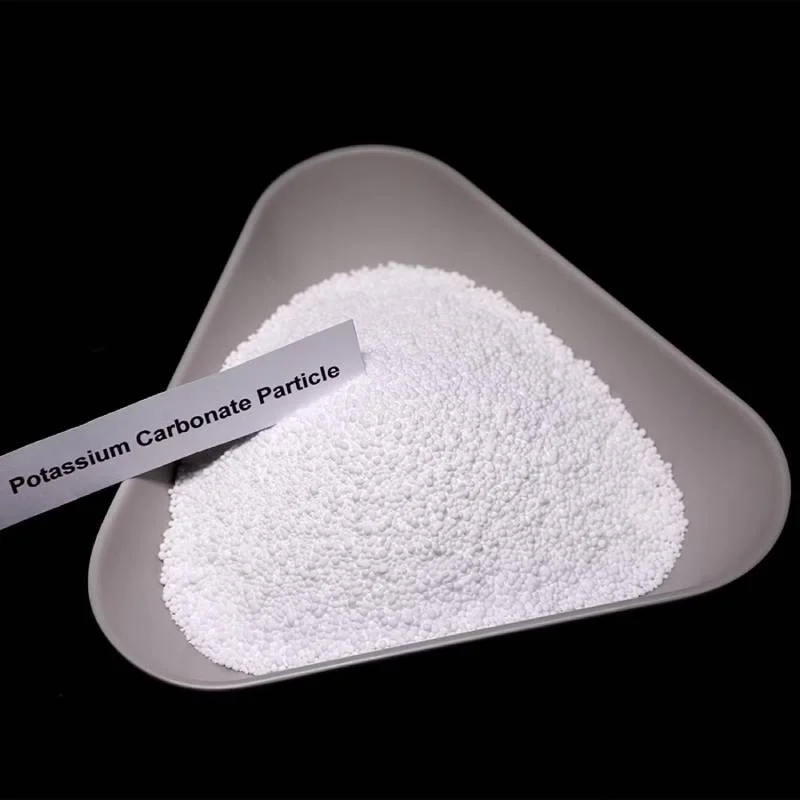
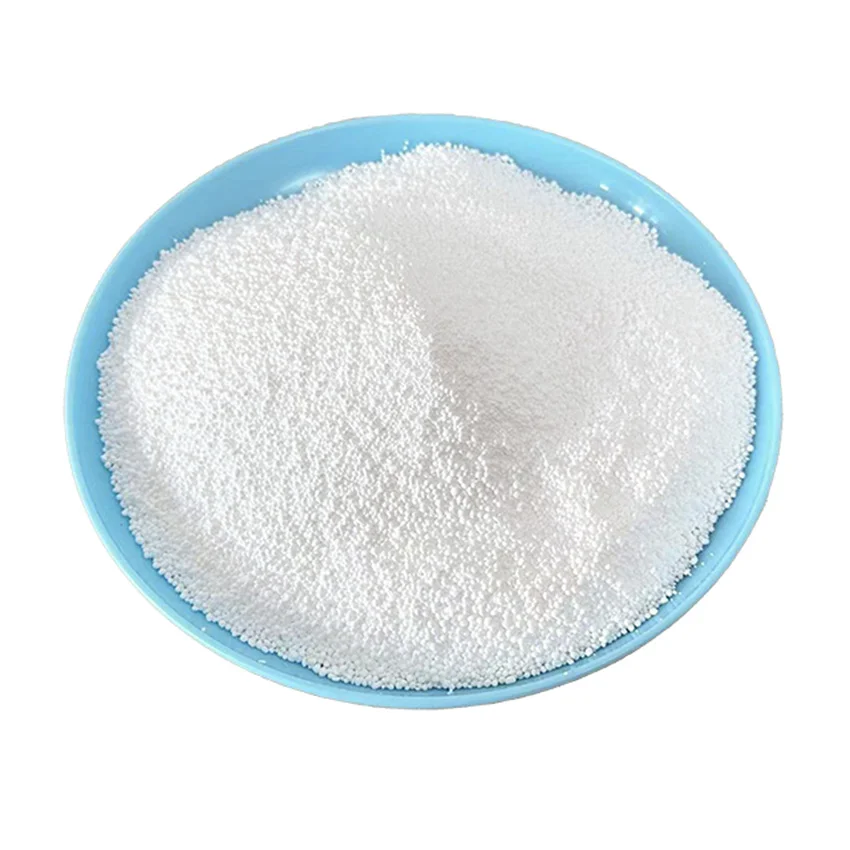
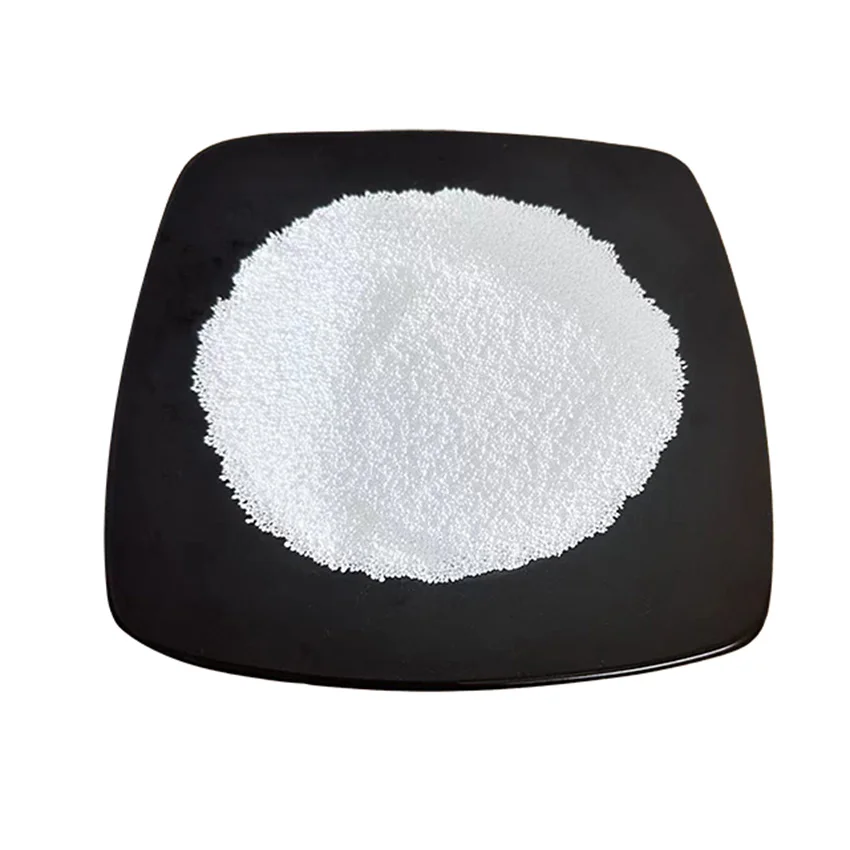
| Granular K2CO3 · 6331 | The title states at least 99% and an optical-glass enquiry route. Confirm the actual impurity profile and offered granule grading. | Keep chemical identity, assay basis and the actual offered grade in the same specification. |
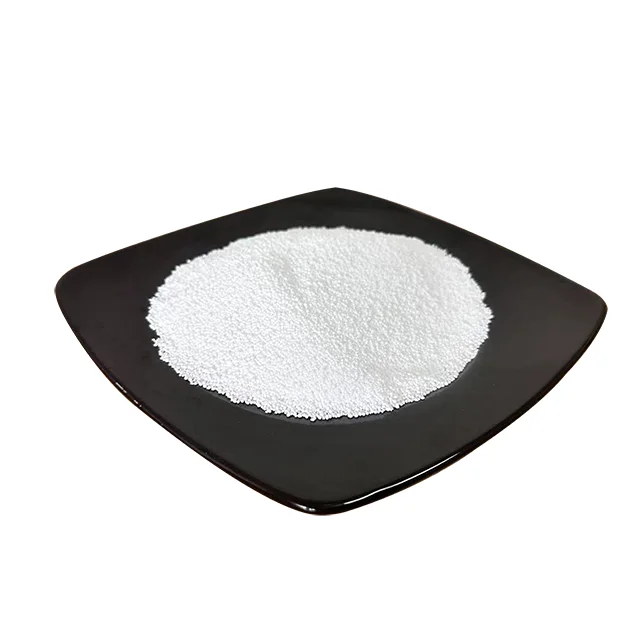
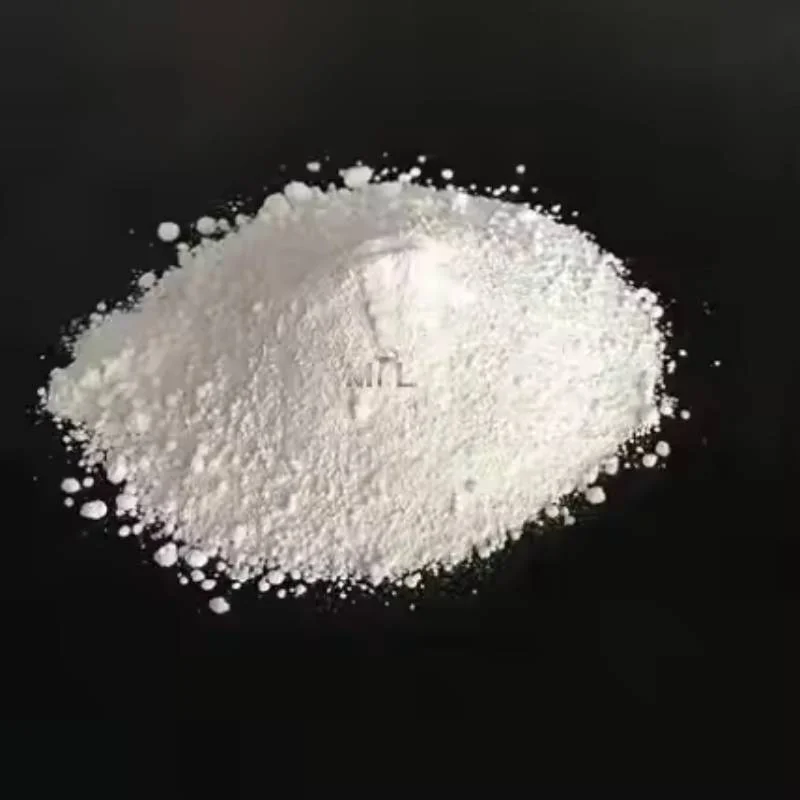
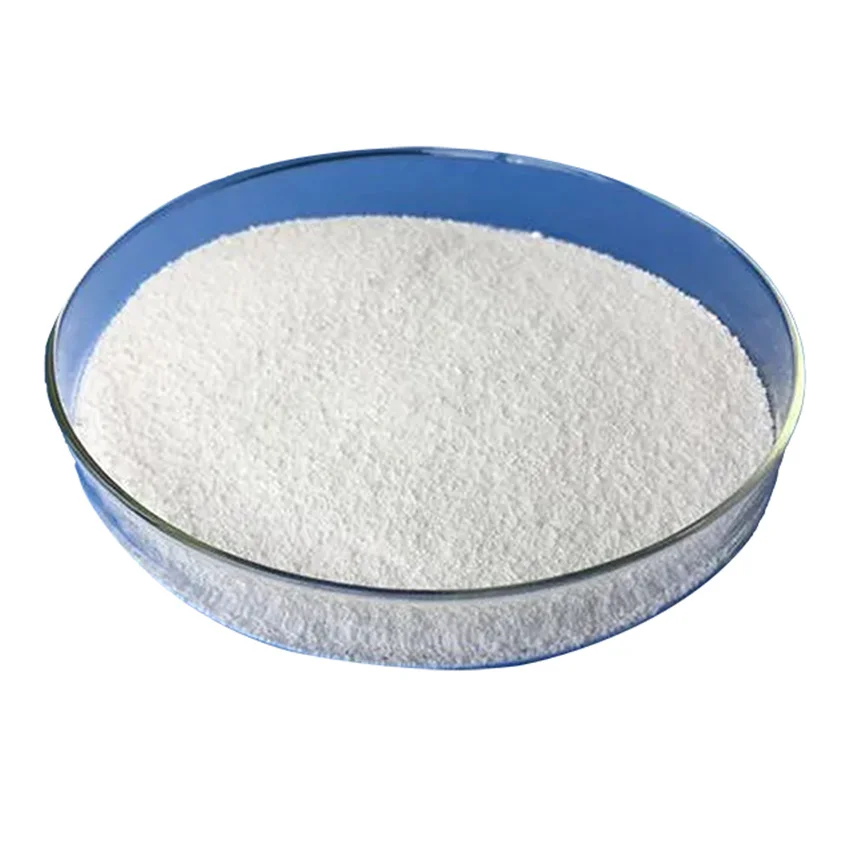
| Powder · 6198 | A 99%-designated industrial powder entry. Specify the glass-relevant impurity and moisture limits separately. | Connect the limit with storage, handling and your processing conditions. |
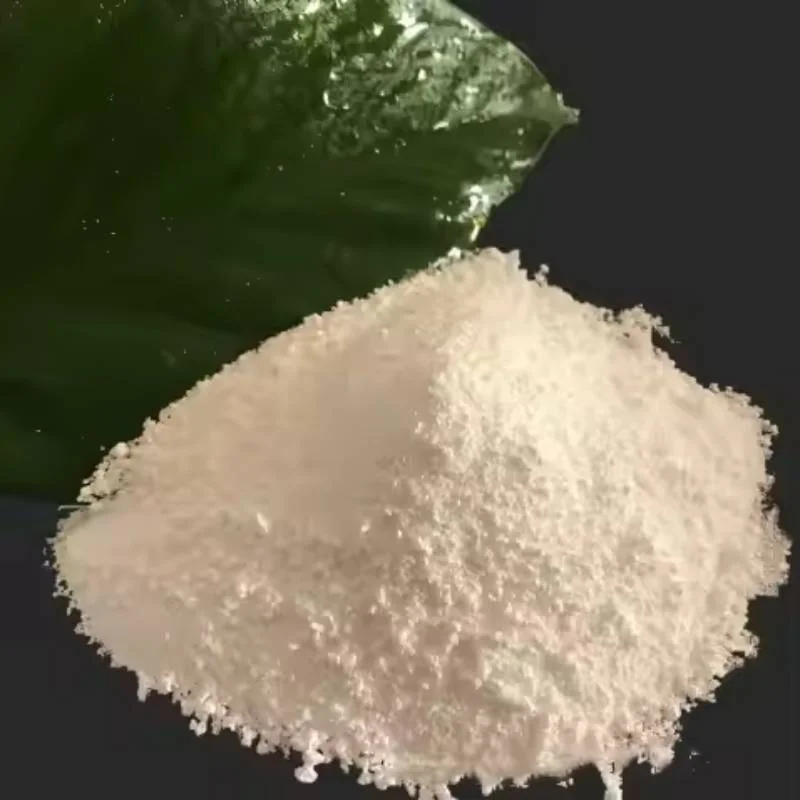
| Powder · 6186 | A water-soluble powder proposal at 99%. Dissolution naming does not establish specialty-glass qualification. | Use this item to define the candidate and the evidence needed for your application. |
| Feeding requirement | Define powder or granules, moisture condition, handling needs and the actual glass-batch acceptance. | Connect the limit with storage, handling and your processing conditions. |
Relevant Grades for Your Shortlist
Use these listed candidates to start a grade-specific discussion with us.
Handling in the Intended Process
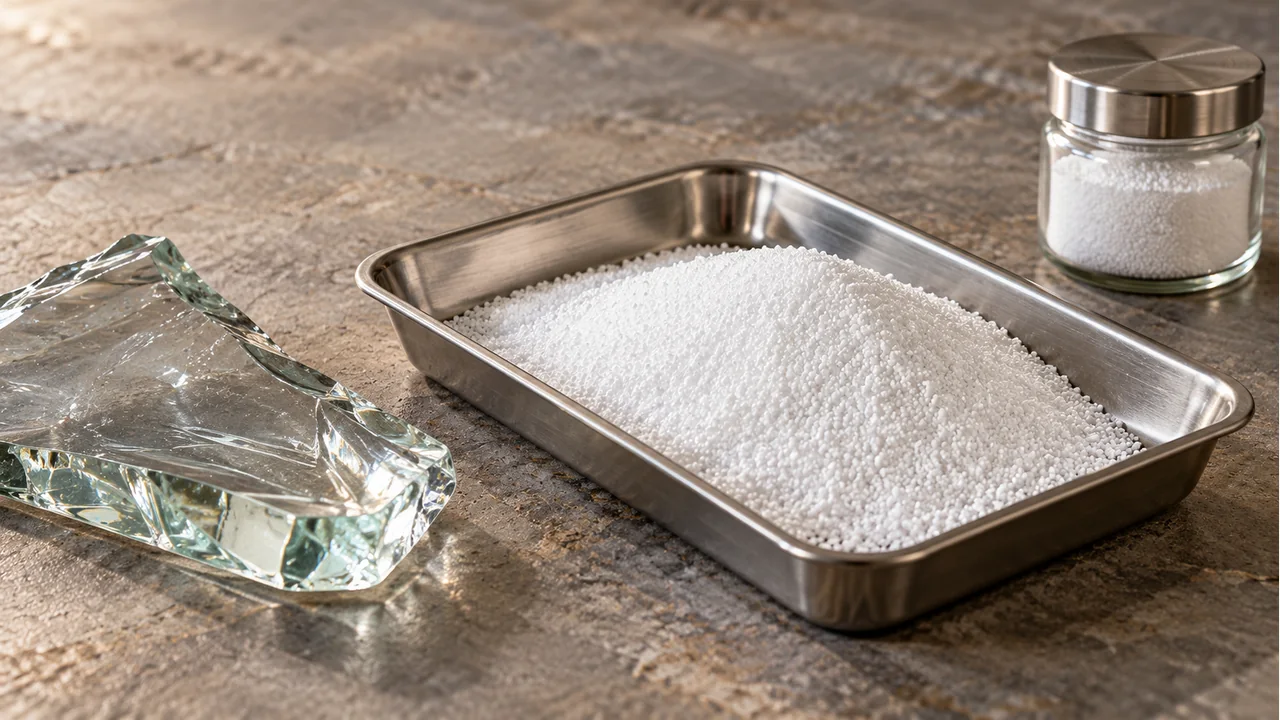
Review the offered form in the intended feeding and batch preparation system, then use the relevant glassmaking comparison. Keep handling observations beside the chemistry and finished-glass requirements. We use that record to agree a reorder specification rather than an optical-use title alone.
Purity alone
Does not establish specialty suitability.
Form preference
Depends on the actual equipment.
Use titles
Need grade-specific evidence.
Solution Conversion and Physical-Form Finishing
Concentration, drying and any granulation stage determine the form presented to the batching system; subsequent exposure affects the supplied moisture condition. A chemistry match does not necessarily reproduce feeding behaviour. Keep assay and impurities with particle-form and moisture data, then compare the material in your actual batching and glass process.
Identify the starting route
Potassium carbonate can be produced from appropriate potassium chemistry, including carbonation of KOH solution.
Concentrate and separate
Solution concentration and separation determine the intermediate material and impurity control needs.
Create the required form
Drying and any granulation stage create different physical proposals for handling.
Protect the grade condition
Retain moisture and form data with the offered chemistry and packaging specification.
- Chemistry
- Keep K2CO3 assay and individual impurity limits distinct.
- Condition
- Identify the required moisture and physical form.
- Batch use
- Compare the proposed grade in the actual feeding and glass-batch system.
A Clear Reorder Specification
The accepted grade needs a stated composition, form and batch basis. We discuss supply against that file. Changes in impurities, moisture or physical form should remain visible before a repeat order is approved.
Choose the Next Useful Guide
If you buy quartz sand for glassmaking, a high SiO2 figure must be accompanied by the impurity and grading data your glass batch needs.
If you need silica for a refractory formulation, first distinguish quartz flour from other materials called silica powder or silica fume.
If a promising sample needs to become a repeat purchase, make the approval record as clear as the trial result.
Start with Your Material Brief
Send us the details below to review a concrete grade proposal and the next evaluation step.
- Application and process
- Chemistry: K2CO3 and impurity basis
- Material and grade
- Your current grade or one of the relevant product links above.
- Important requirements
- Moisture: Stated method and limits; Process: Feed and batch requirements
- Purchase scope
- Trial or order quantity, preferred package and destination.
Qingdao Relia Industries Co., Ltd. · China manufacturing of industrial minerals, chemicals and the listed packaging products.
10 / 11Speak with Our Materials Team
Qingdao Relia Industries Co., Ltd.
Tell Relia the material, application, required grade, quantity and destination. Include the product link or the key limits you already use, so the next conversation starts with a concrete proposal.
Phone
+86 18561762631Call to discuss your enquiry.Qingdao contact address
Shuyuan Road, Qingdao,Shandong, ChinaQingdao contact address for the company.