Anhydrous Sodium Sulfate Selection for Textile Dyeing
If sodium sulfate is being sourced for textile dyeing, impurity limits and the dyed result deserve their own approval.
Relia's anhydrous candidates can be reviewed for assay, iron, insoluble matter and supplied condition.
- Process
- Dye system and textile route
- Salt
- Anhydrous assay basis
- Result
- Your colour acceptance method
From Your Requirement to a Defined Grade
Relia manufactures anhydrous sodium sulfate materials in China through its own factories.
Our textile enquiry should identify the dye system, accepted sodium sulfate grade and the impurity limits that protect the shade. Share those requirements with Relia before comparing material prices. The proposed anhydrous salt needs its own test basis, followed by a matched dyeing evaluation under your actual conditions.
Process
Dye system and textile route
Salt
Anhydrous assay basis
Impurities
Iron and insoluble matter
Result
Your colour acceptance method
The Dye-System Requirement
A dyeing-material enquiry has different acceptance priorities from a detergent-filler purchase. The XM-SP10 and industrial anhydrous sodium-sulfate entries carry 99%-level descriptions, but a textile buyer also needs relevant dissolution and impurity evidence. We connect the offered grade to the intended fibre, dye system and shade requirement.
Dye system and textile route
Anhydrous assay basis
Your colour acceptance method
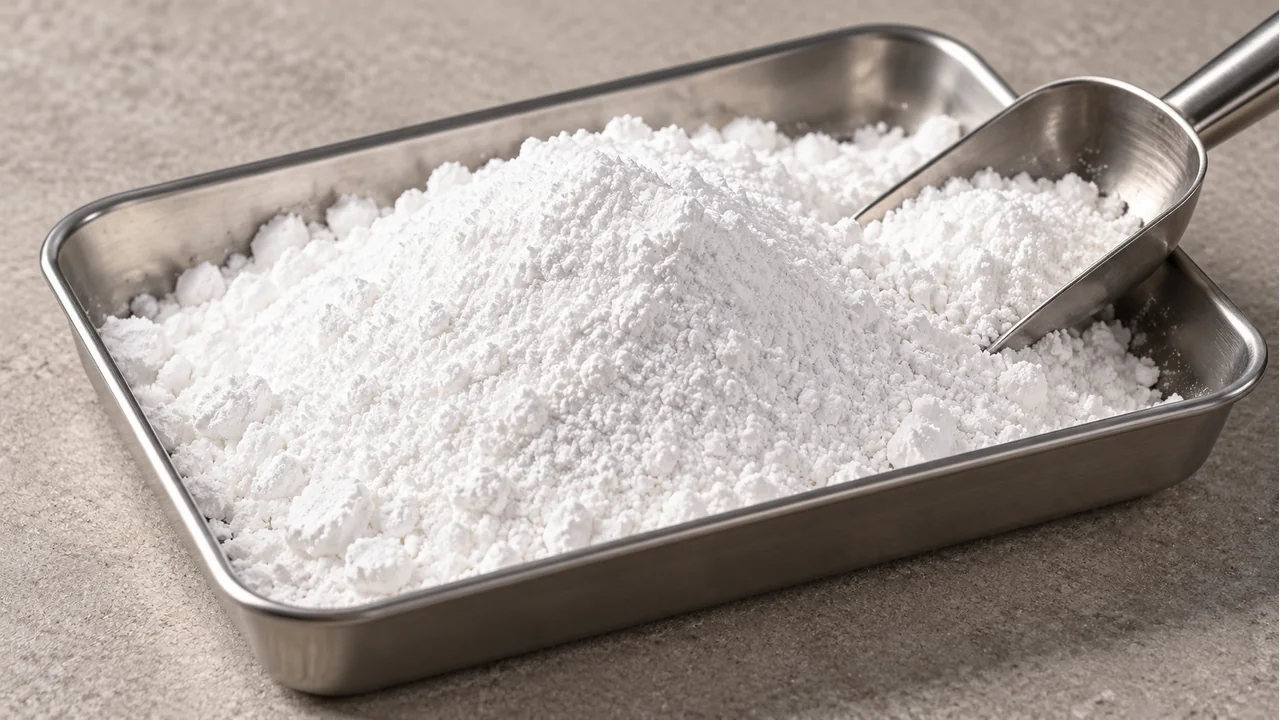
Sodium Sulfate for the Intended Dyeing Process
| Review area | Listed data and acceptance basis | Use in your selection |
|---|---|---|
| XM-SP10 · 5776 | An anhydrous 99% industrial entry that includes textile dyeing in its description. Confirm the actual offered particle form. | Use the same particle measurement basis, then review dispersion and the result in your process. |
| XM-SP10 · 5775 | A separate entry oriented to detergent and glass use. Treat textile suitability as a qualification task, not a shared-code assumption. | Use this item to define the candidate and the evidence needed for your application. |
| Anhydrous entry · 6291 | A 99%-designated input-grade candidate. Request relevant insolubles, colour and impurity data. | Match the stated measurement method and compare the appearance in your finished material. |
| Textile brief | State fibre, dyeing system, process conditions, dissolution needs and the required shade or levelness acceptance. | Use this item to define the candidate and the evidence needed for your application. |
Compare the Product Candidates
Use these listed candidates to start a grade-specific discussion with us.
A Controlled Dyeing Comparison
Use the proposed grade in a relevant controlled dyeing comparison. Retain the fibre, dye system and process record alongside dissolution, shade and required levelness results. We discuss approval for that process rather than extend a general 99% assay into a universal textile-grade claim.
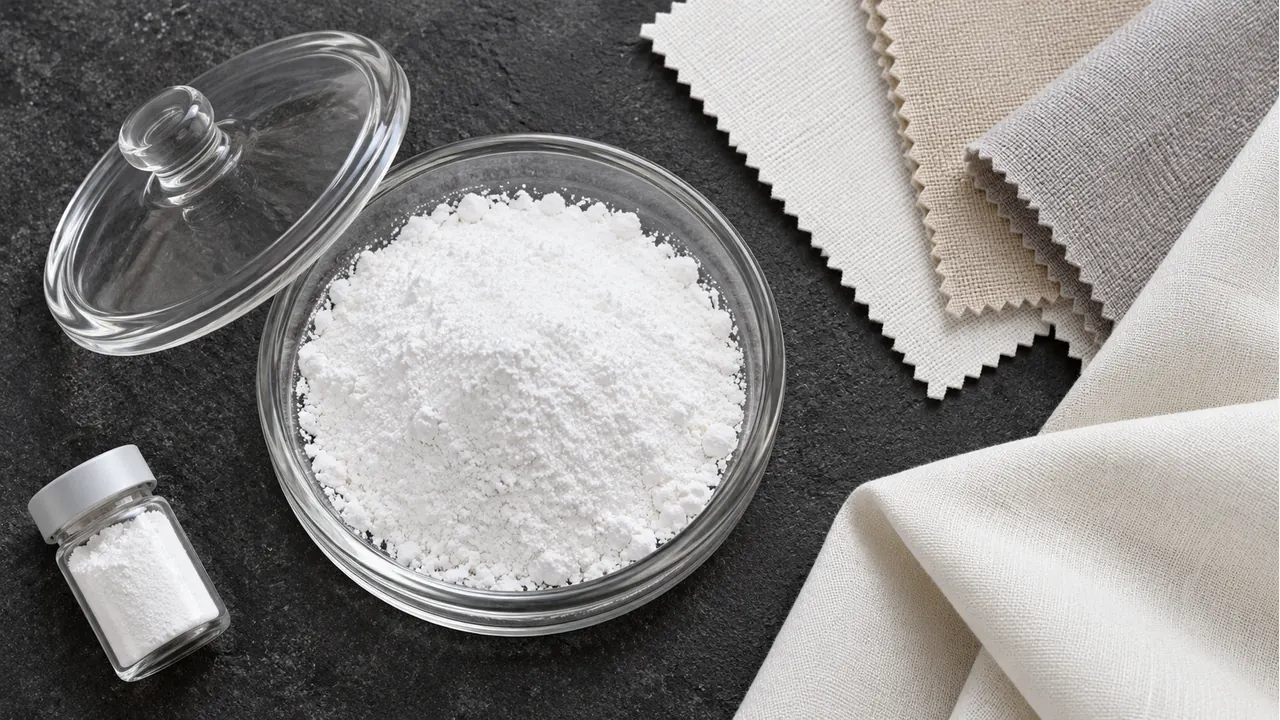
High assay
Does not prove low iron.
Missing results
Do not mean zero impurity.
Colour changes
Need a controlled cause review.
Purification, Crystallisation and Drying
Feed-solution purification and crystal separation address different impurity pathways from the later drying or size-finishing stage. Total Na2SO4 assay does not identify the particular iron or insoluble-matter level relevant to dyeing. Retain those results separately and connect them to an agreed sample and a controlled shade comparison.
Identify the feed route
Sodium sulfate can originate from mineral or solution sources, with different impurity considerations.
Purify and crystallise
The selected separation and crystallisation route establishes the solid material and associated residues.
Separate and dry
Solid–liquid separation and drying determine the offered anhydrous product condition.
Finish the size fraction
Physical form and moisture need to be retained with assay and application-specific impurity limits.
- Identity
- Confirm anhydrous material and the actual assay basis.
- Impurities
- A detergent and a textile enquiry can require different individual limits.
- Handling
- Connect particle and moisture data with the real blending or dissolution conditions.
Repeat Batches with a Reference
Retain the accepted colour result and impurity specification together. We discuss supply against that grade and batch basis. A material or process change can then be reviewed against the same acceptance record.
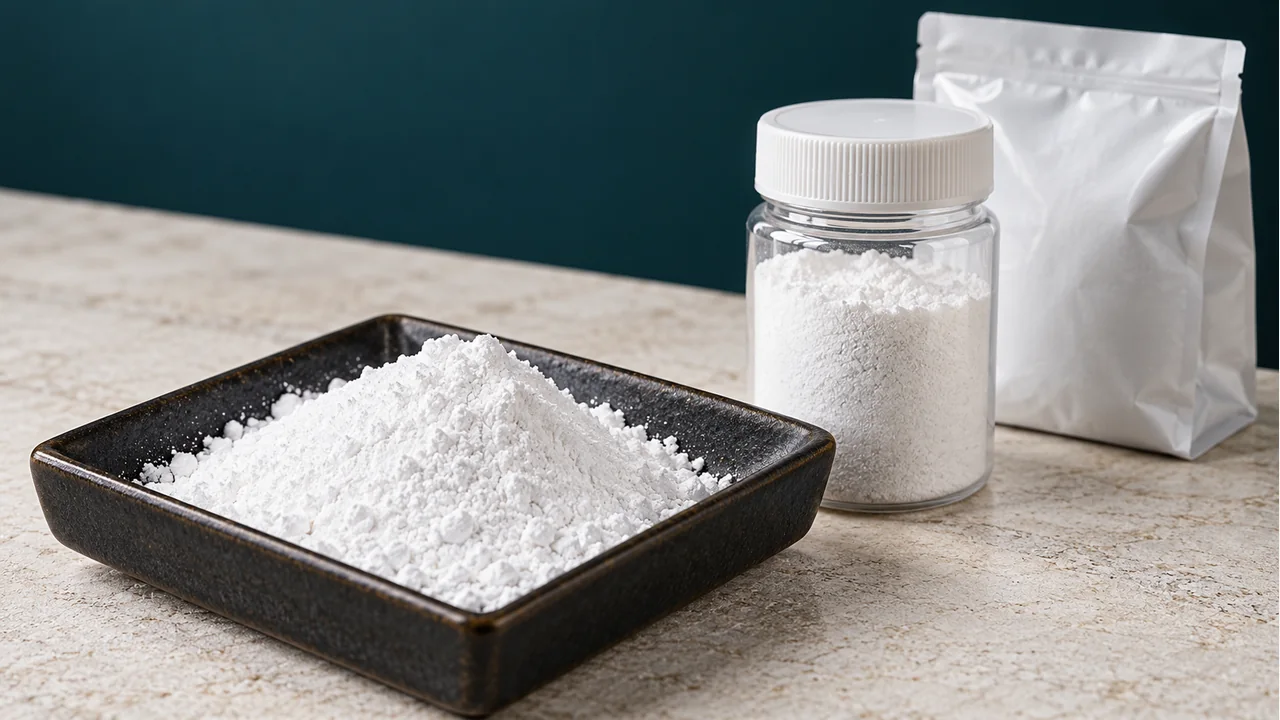
Continue Your Material Selection
If you buy anhydrous sodium sulfate for powder detergent, include mixing and handling requirements in the specification.
If textile wastewater needs better colour or turbidity control, shortlist coagulants against the actual stream rather than a generic decolourising claim.
If a promising sample needs to become a repeat purchase, make the approval record as clear as the trial result.
Start with Your Material Brief
Send us the details below to review a concrete grade proposal and the next evaluation step.
- Application and process
- Process: Dye system and textile route
- Material and grade
- Your current grade or one of the relevant product links above.
- Important requirements
- Salt: Anhydrous assay basis; Result: Your colour acceptance method
- Purchase scope
- Trial or order quantity, preferred package and destination.
Qingdao Relia Industries Co., Ltd. · China manufacturing of industrial minerals, chemicals and the listed packaging products.
10 / 11Speak with Our Materials Team
Qingdao Relia Industries Co., Ltd.
Tell Relia the material, application, required grade, quantity and destination. Include the product link or the key limits you already use, so the next conversation starts with a concrete proposal.
Phone
+86 18561762631Call to discuss your enquiry.Qingdao contact address
Shuyuan Road, Qingdao,Shandong, ChinaQingdao contact address for the company.