Mineral Fillers for Stiffness and Warpage in PP Mouldings
If you make PP mouldings, a stiffer part is useful only if impact, shrinkage and warpage remain acceptable.
Relia's talc, calcium carbonate and relevant mineral candidates can be compared around the part you produce.
- Part
- Geometry and performance limits
- Mineral
- Chemistry, shape and particles
- Result
- Modulus, impact and dimensional behaviour
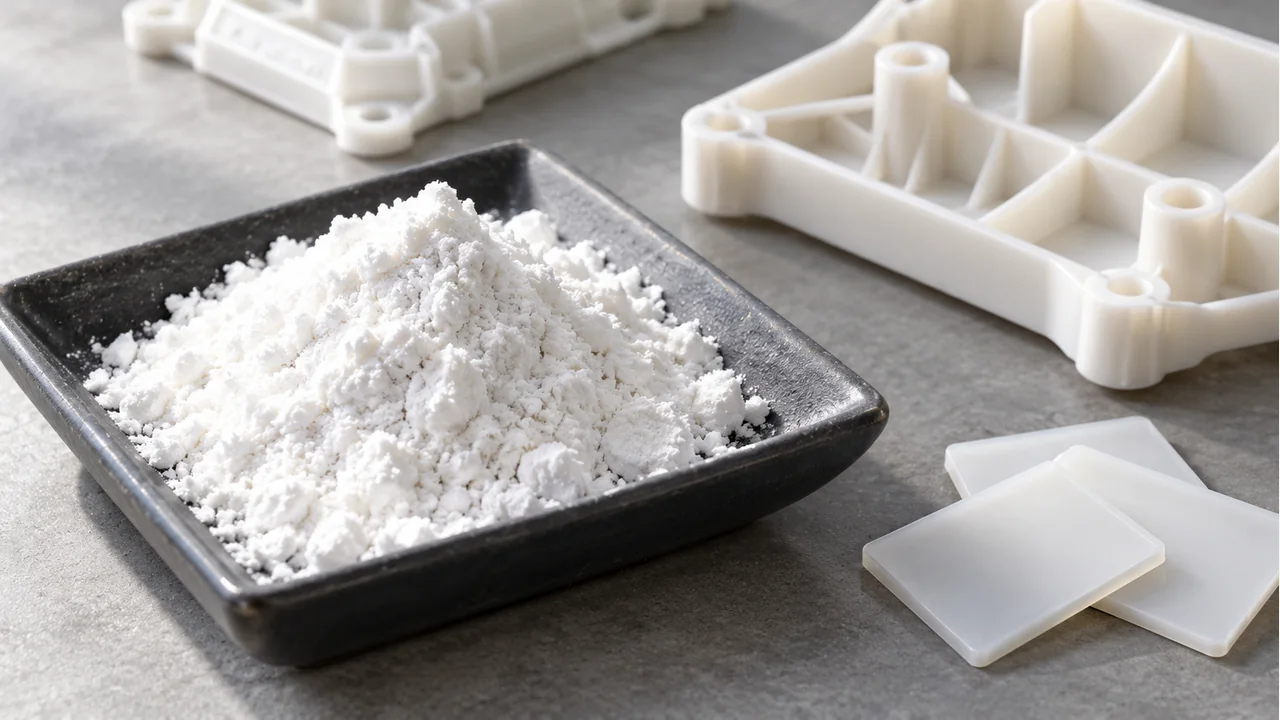
From Your Requirement to a Defined Grade
Relia manufactures talc, calcium carbonate and other listed industrial mineral materials in China through its own factories.
We can review the mineral proposal with your PP grade, part geometry and moulding constraints. Give us the current filler and the properties that cannot be traded away. Talc and carbonate are different candidate routes; the grade identity and your component trial should remain visible throughout the comparison.
Part
Geometry and performance limits
Mineral
Chemistry, shape and particles
Process
Resin and moulding conditions
Result
Modulus, impact and dimensional behaviour
The Part Defines the Balance
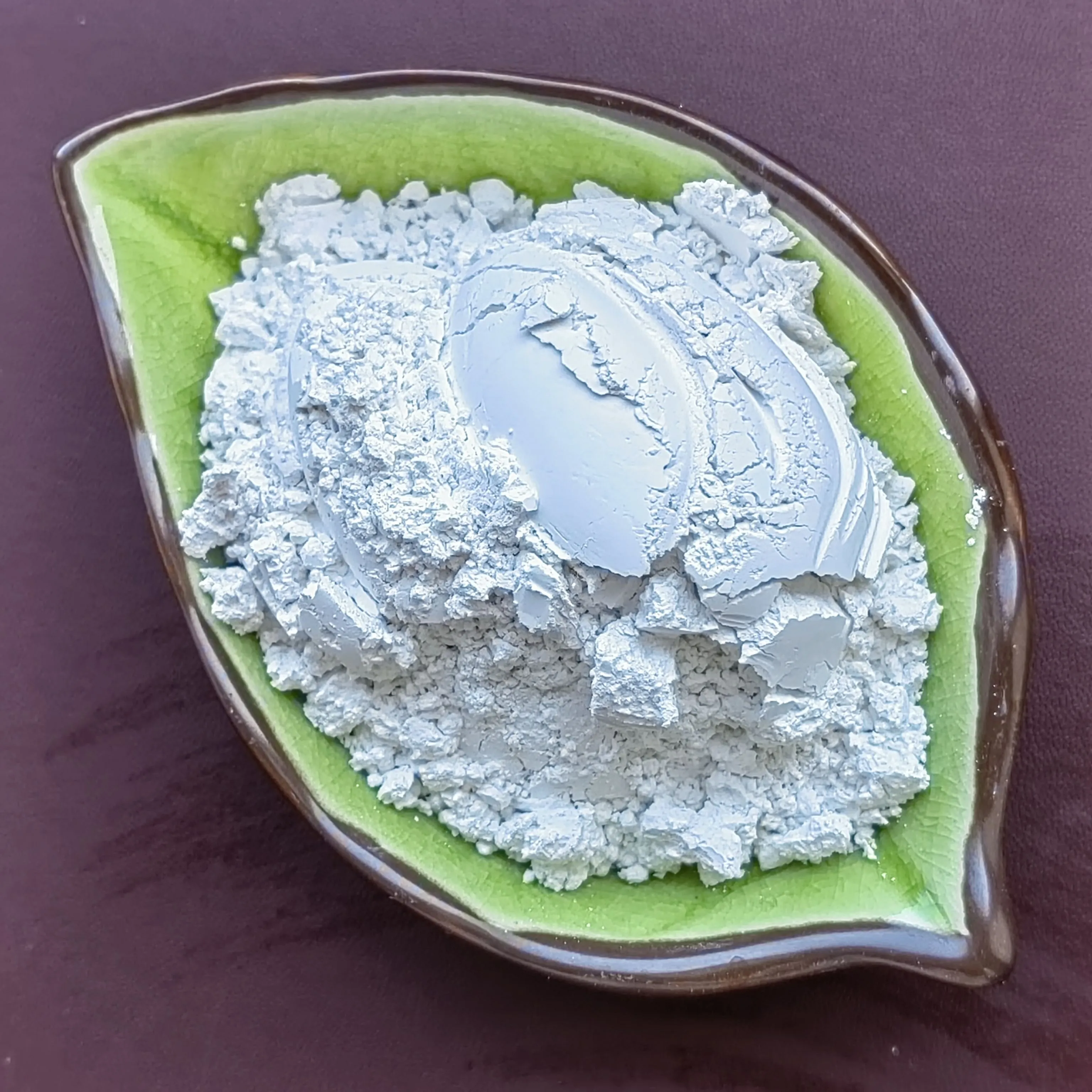
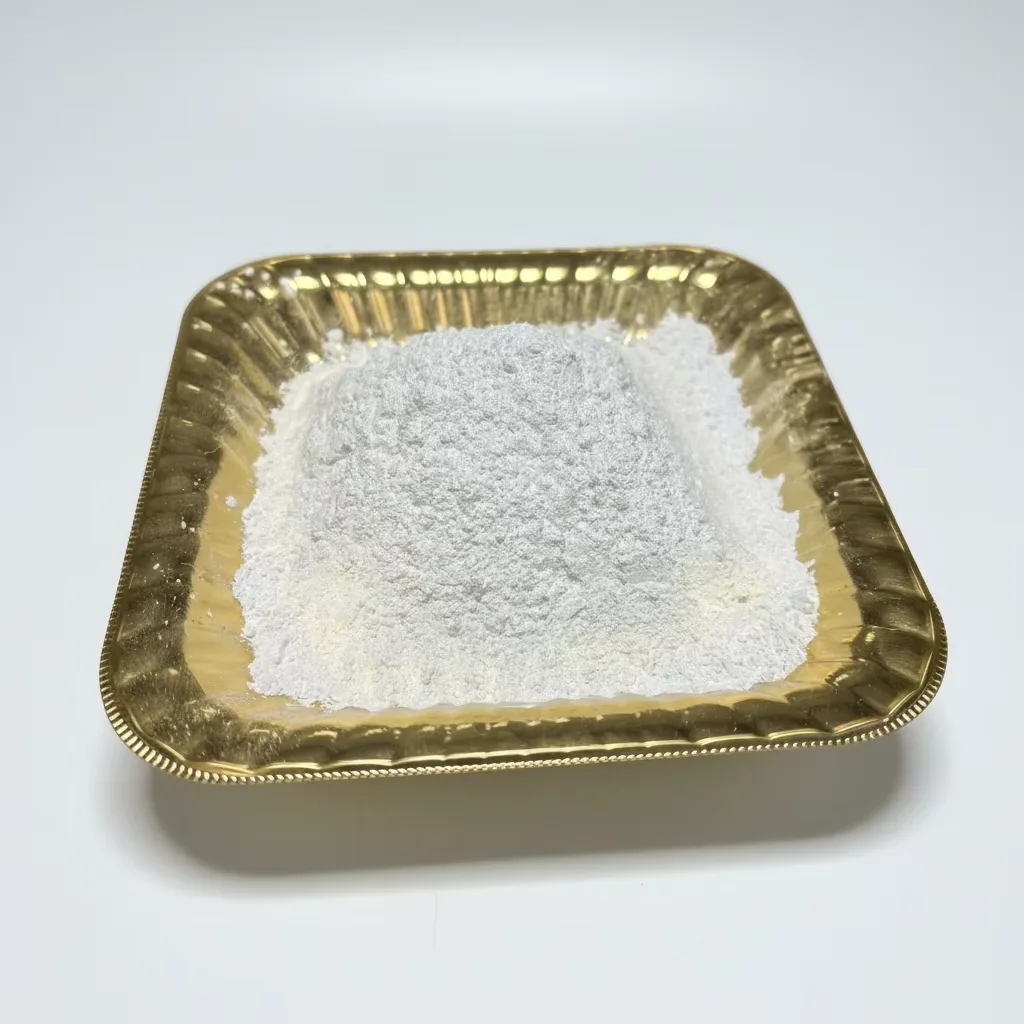
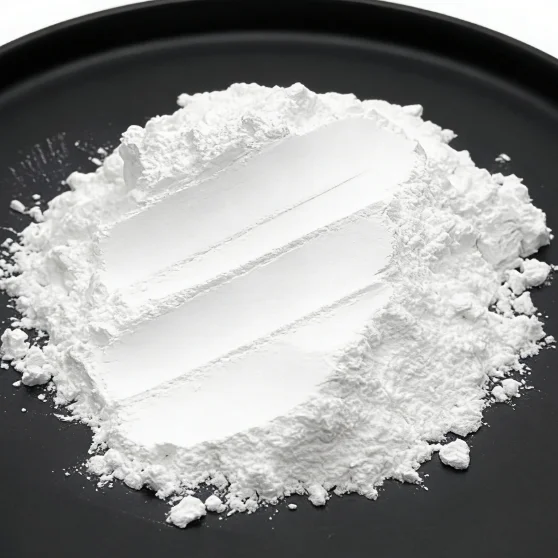
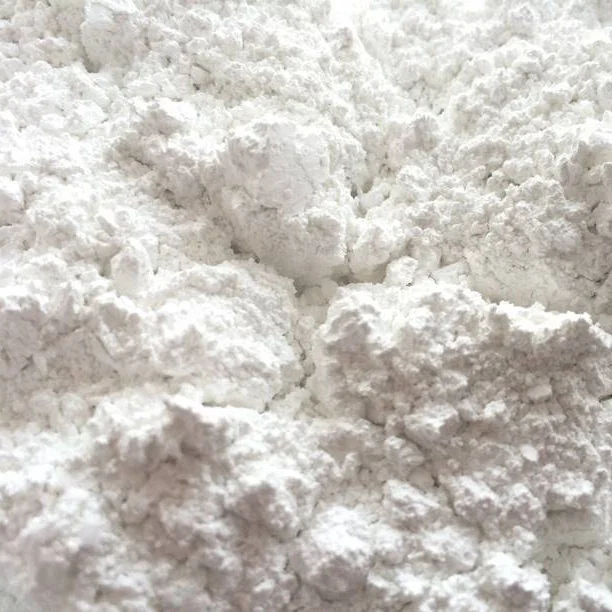
The catalogue offers modified talc, industrial talc, 1500 mesh GCC and needle-shaped wollastonite for a PP-part discussion. These are distinct material routes. We use your stiffness, impact and dimensional limits to decide which routes merit a part trial; the catalogue does not rank one mineral as the universal winner.
Geometry and performance limits
Chemistry, shape and particles
Modulus, impact and dimensional behaviour
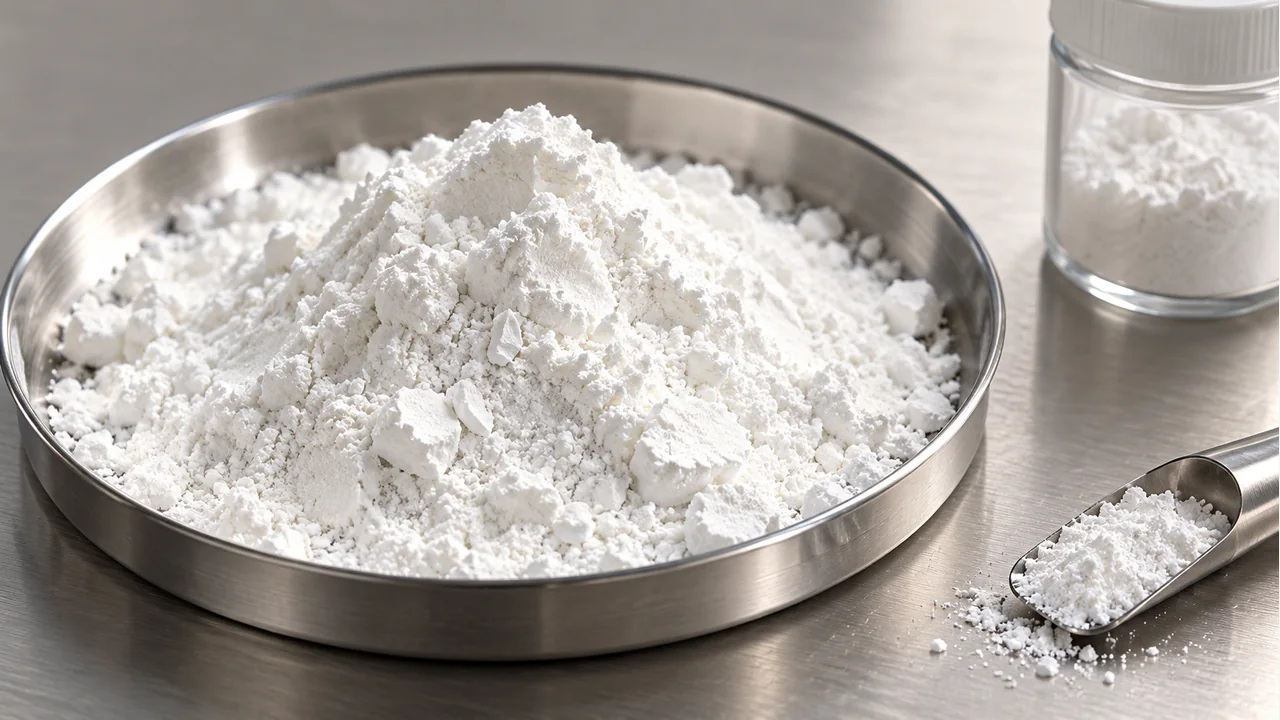
Talc, Carbonate and Acicular Mineral Candidates
| Review area | Listed data and acceptance basis | Use in your selection |
|---|---|---|
| Modified talc · 6580 | The listing names compatibility and compound-strength enquiries. Request actual particle, treatment and morphology data. | Use the same particle measurement basis, then review dispersion and the result in your process. |
| Industrial talc · 6568 | A separate plastics-focused entry. No modulus or impact result is established by the product name. | Use your required finished-product result as the acceptance point for the candidate. |
| GCC · 6534 | The title states 1500 mesh and 96% purity. Confirm the selected grade's distribution and surface condition. | Use the same particle measurement basis, then review dispersion and the result in your process. |
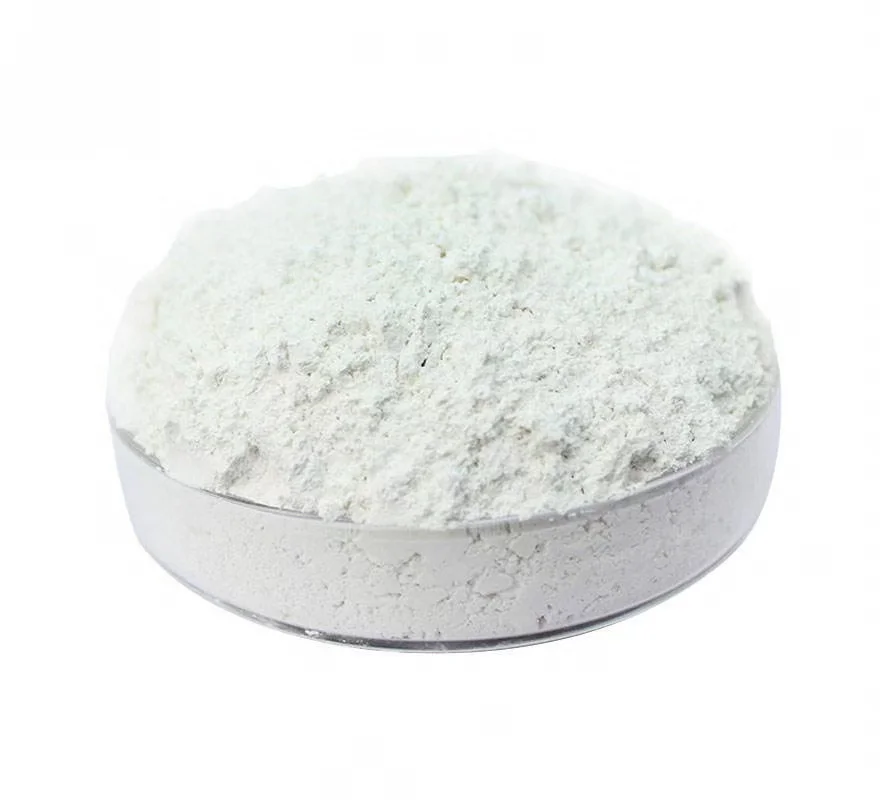
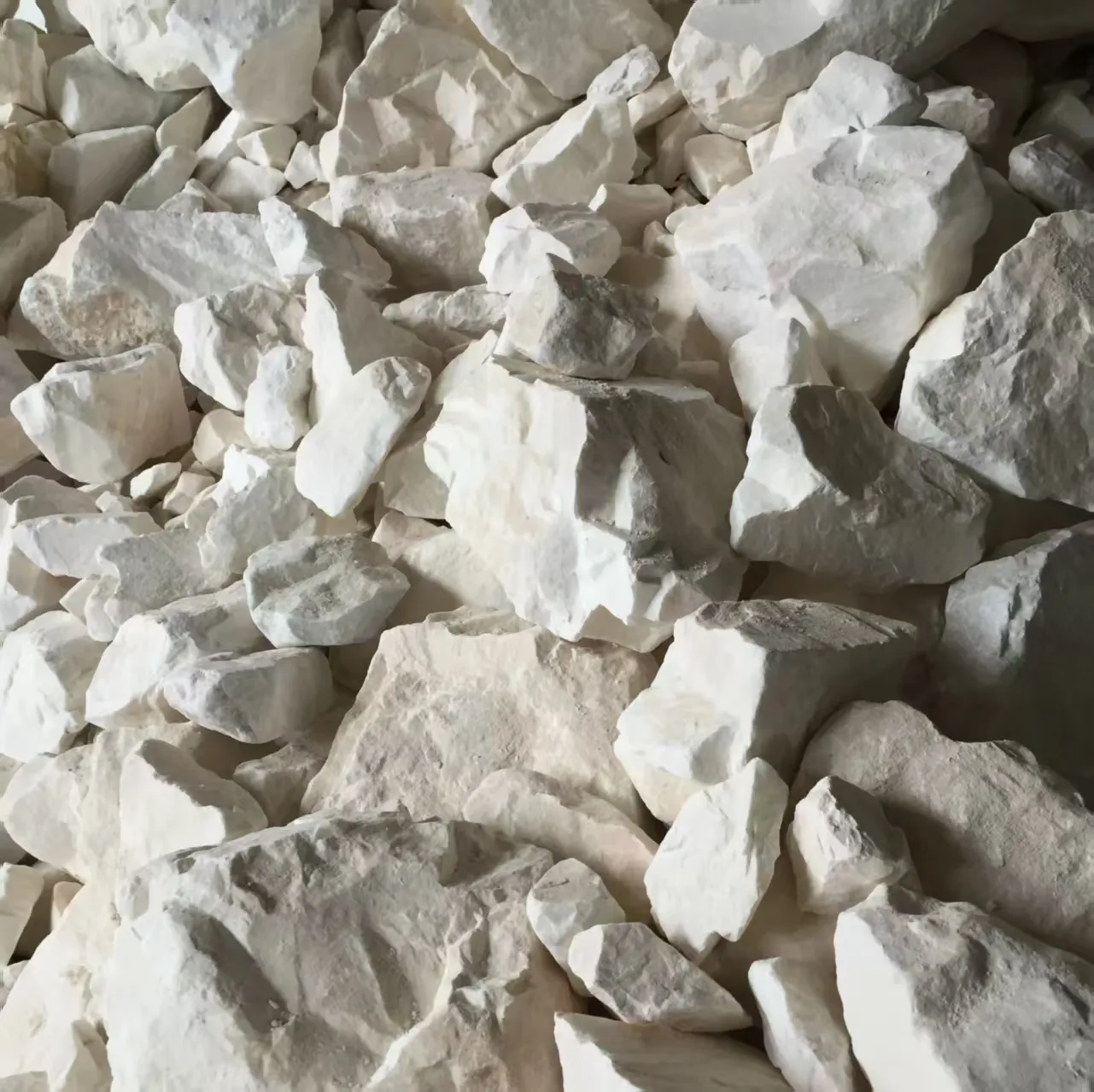
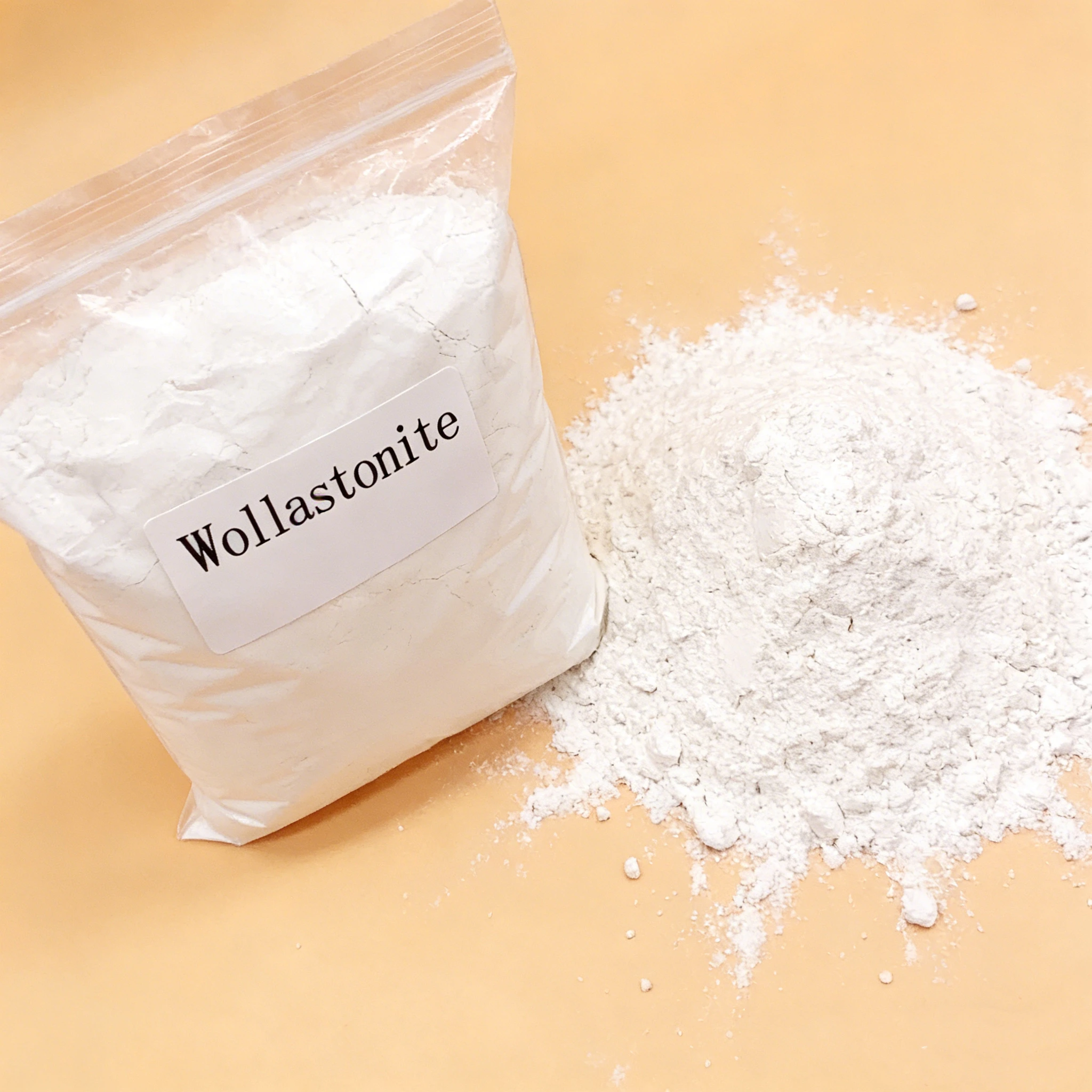
| Wollastonite · 6623 | The entry describes a needle-shaped 200–2000 mesh range. Confirm actual aspect ratio and length distribution for the offered grade. | Use the same particle measurement basis, then review dispersion and the result in your process. |
Compare the Product Candidates
Use these listed candidates to start a grade-specific discussion with us.
Moulding in Context
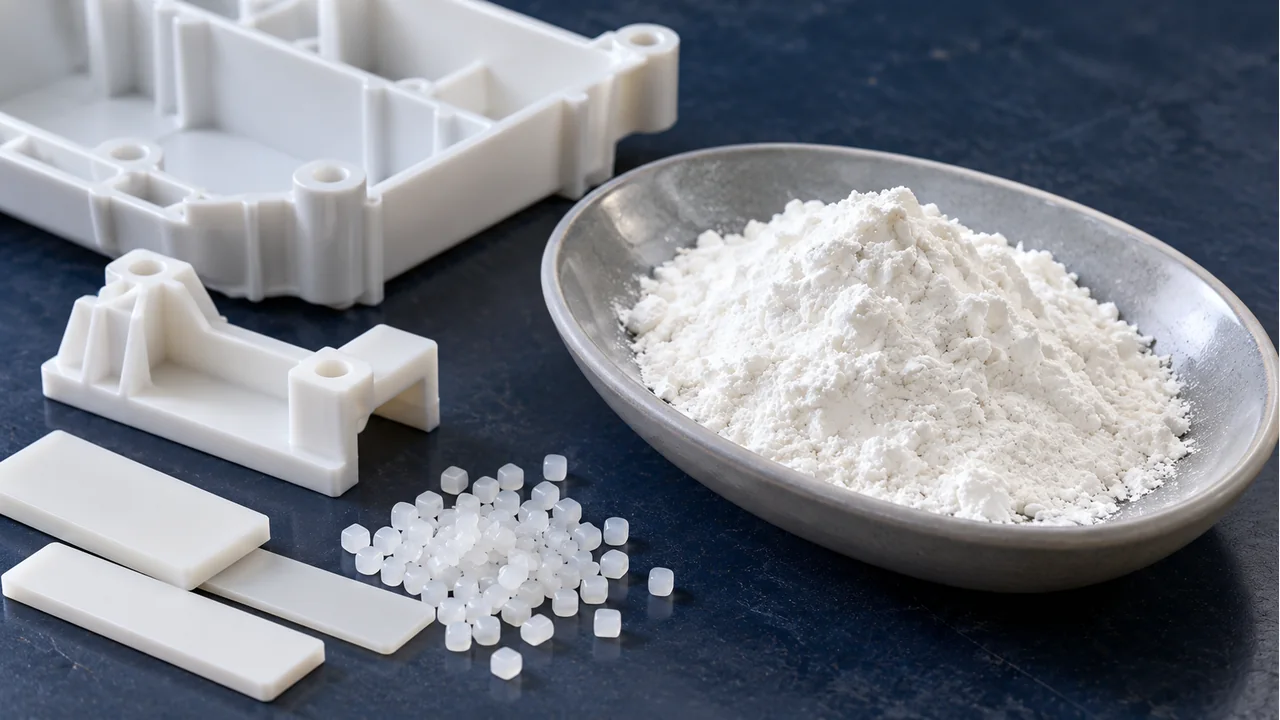
Compare the candidate routes in the intended PP resin and moulded geometry. Keep filler loading and moulding history visible beside modulus, impact, shrinkage and warpage. Flow orientation can make results direction-dependent, so retain the specimen direction or part measurement locations with the accepted result.
Stiffness alone
Does not qualify the whole part.
Shape claims
Need actual grade information.
Process changes
Can change the result.
Mineral Shape Through to the Moulded Part
Talc milling should be considered with its platelet character, while GCC preparation produces a different particle population. Compounding can alter dispersion and the orientation of shaped fillers. Compare the actual particle data and finished-part results under matched moulding conditions, including orientation-sensitive shrinkage and warpage rather than relying on a nominal mesh match.
Define the mineral
Talc, carbonate and other fillers require their own chemistry, shape and treatment specifications.
Prepare the particles
Milling and classification change the population supplied to the compounding process.
Review compounding
Dispersion and shaped-particle orientation depend on the actual resin and processing conditions.
Evaluate the component
The finished part connects the material proposal with stiffness, impact, shrinkage and warpage requirements.
- Shape
- Retain morphology evidence where a reinforcement or orientation claim matters.
- Compound
- Keep resin and processing history with each candidate.
- Part
- Compare the actual geometry and accepted property balance rather than one headline value.
Approval with a Change Record
Keep the accepted part reference and mineral specification connected. We discuss repeat supply from that material identity. A new mould, resin or particle profile can change the qualification scope even when the mineral name remains the same.
Continue Your Material Selection
If you need acicular wollastonite for a polymer composite, buy the particle shape as carefully as the chemistry.
If you are evaluating calcium sulfate whiskers in rubber or polymers, confirm both the calcium-sulfate phase and the actual whisker form.
If you source TiO2 for white plastics, choose against the resin, processing temperature and finished-colour requirements.
Start with Your Material Brief
Send us the details below to review a concrete grade proposal and the next evaluation step.
- Application and process
- Part: Geometry and performance limits
- Material and grade
- Your current grade or one of the relevant product links above.
- Important requirements
- Mineral: Chemistry, shape and particles; Result: Modulus, impact and dimensional behaviour
- Purchase scope
- Trial or order quantity, preferred package and destination.
Qingdao Relia Industries Co., Ltd. · China manufacturing of industrial minerals, chemicals and the listed packaging products.
10 / 11Speak with Our Materials Team
Qingdao Relia Industries Co., Ltd.
Tell Relia the material, application, required grade, quantity and destination. Include the product link or the key limits you already use, so the next conversation starts with a concrete proposal.
Phone
+86 18561762631Call to discuss your enquiry.Qingdao contact address
Shuyuan Road, Qingdao,Shandong, ChinaQingdao contact address for the company.