Quartz Sand Specifications for Glass Manufacturing
If you buy quartz sand for glassmaking, a high SiO2 figure must be accompanied by the impurity and grading data your glass batch needs.
Relia's quartz candidates can be reviewed on that basis.
- Glass
- Type and impurity limits
- Chemistry
- SiO2 and iron with methods
- Batch
- Sample and analysis identity
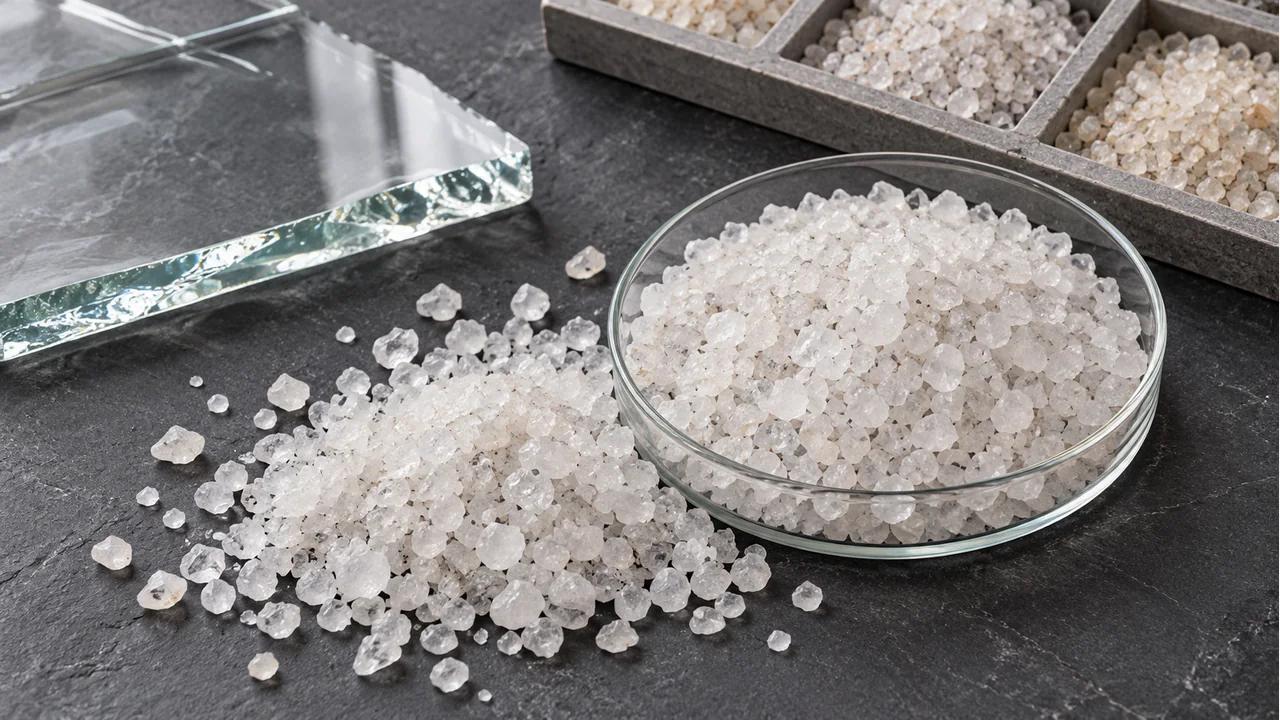
A Factory Proposal for Your Application
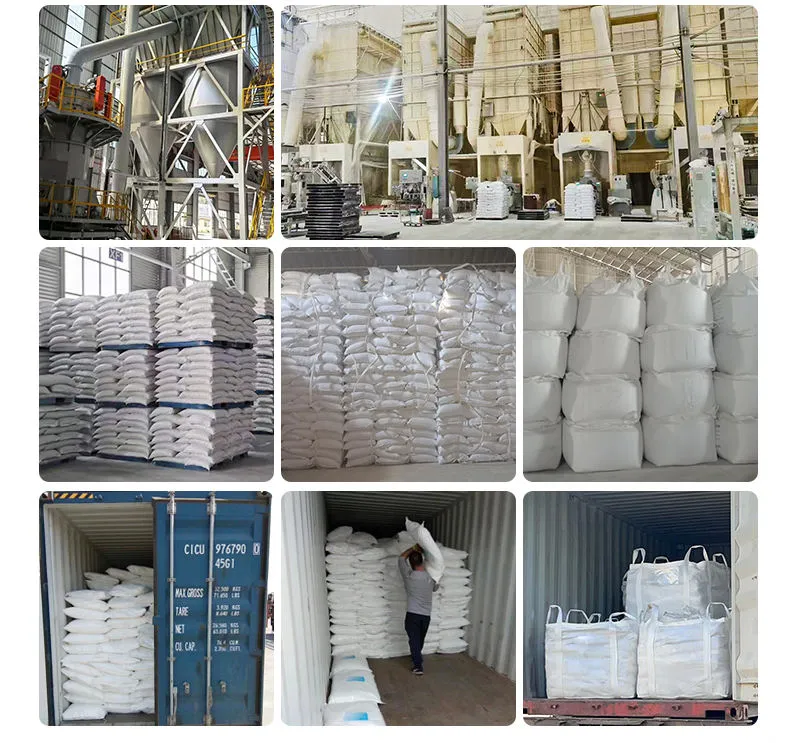
Relia manufactures quartz and related silica materials in China through its own factories.
Our quartz enquiry should include the glass type, critical impurity limits and the required sieve distribution. Give us the current feed specification and any colour or inclusion issue. The proposed material needs a batch-specific chemistry and grading basis before your team evaluates it in the glass process.
Glass
Type and impurity limits
Chemistry
SiO2 and iron with methods
Grading
Supplied particle range
Batch
Sample and analysis identity
The Glass Batch Limits
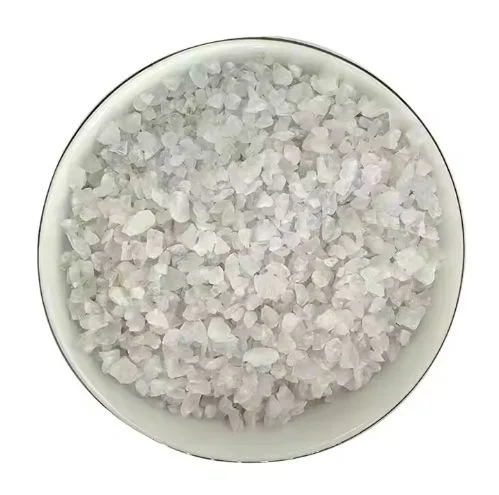
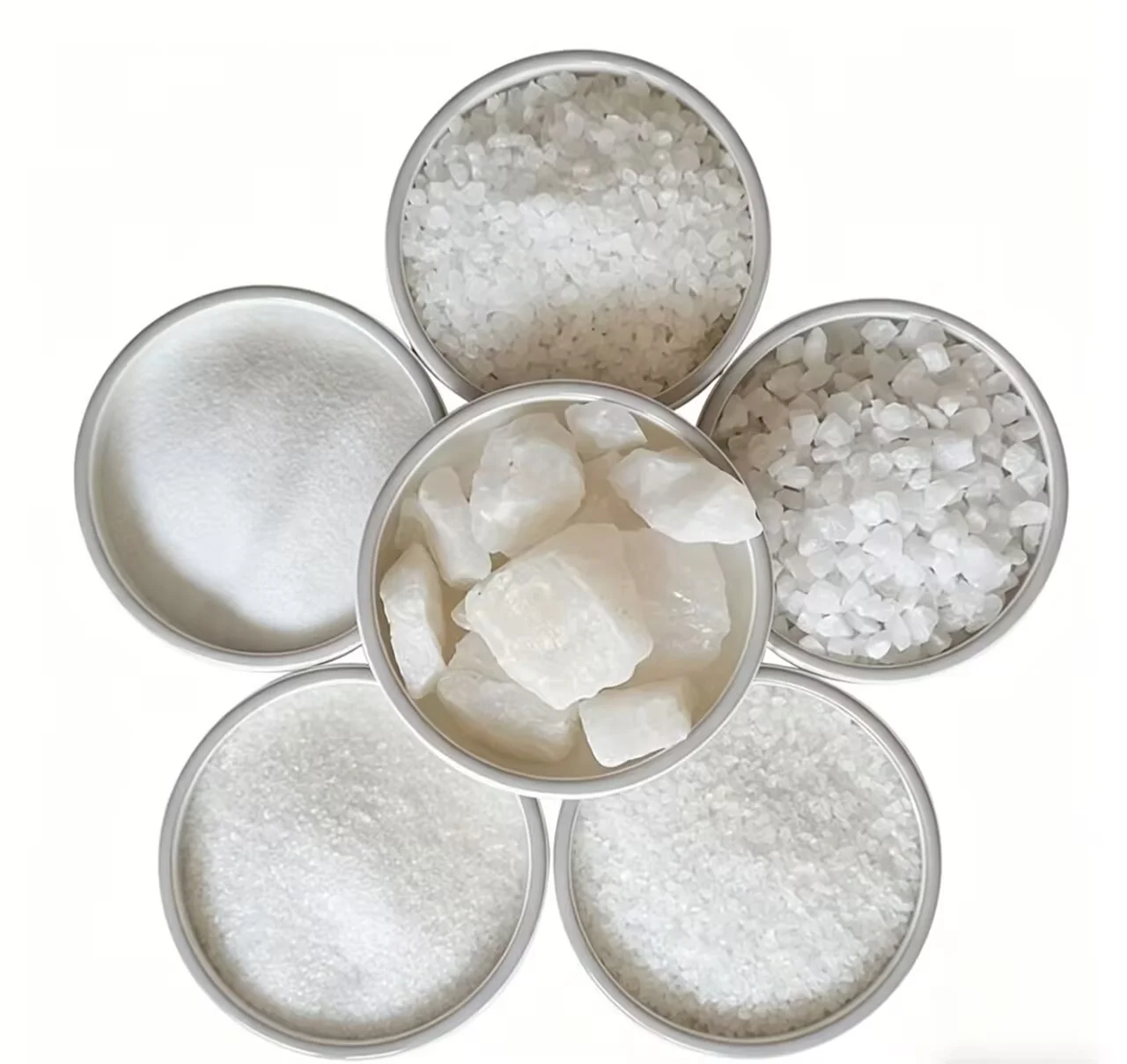
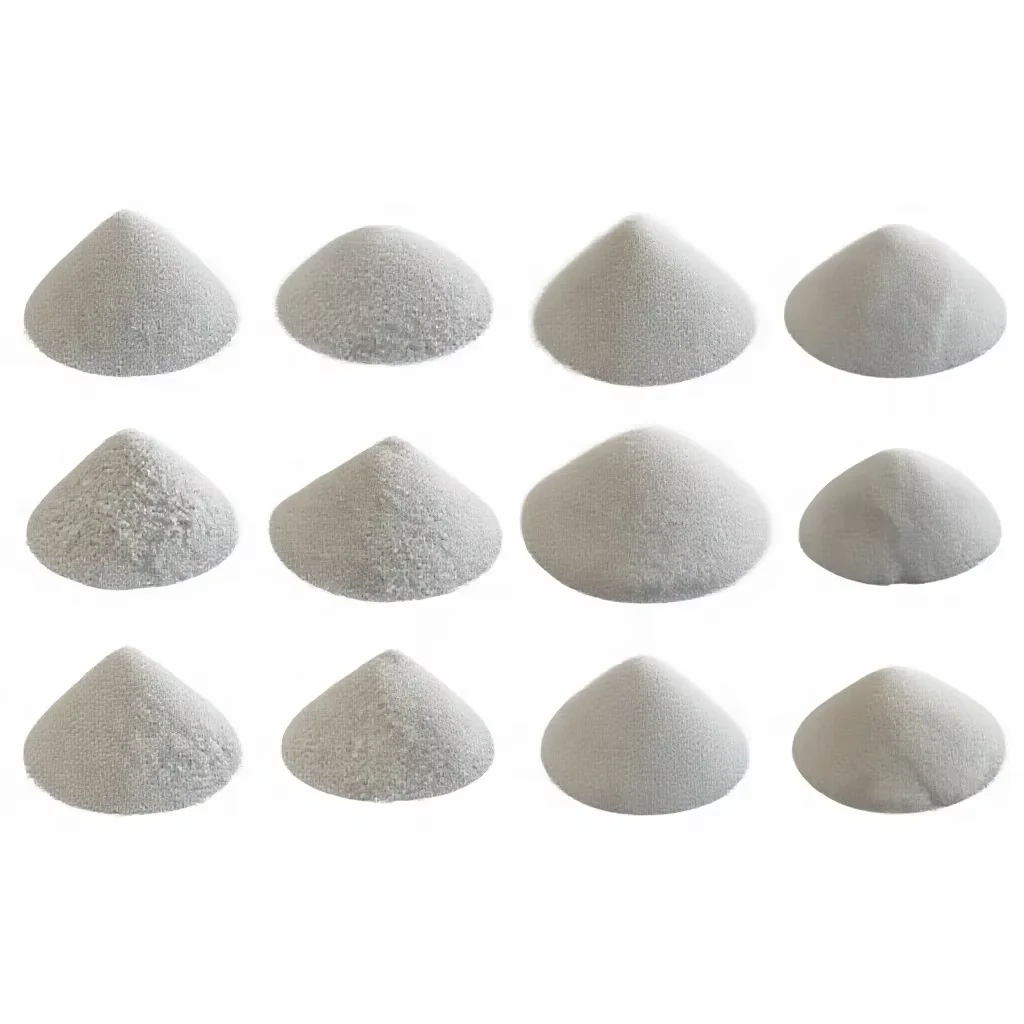
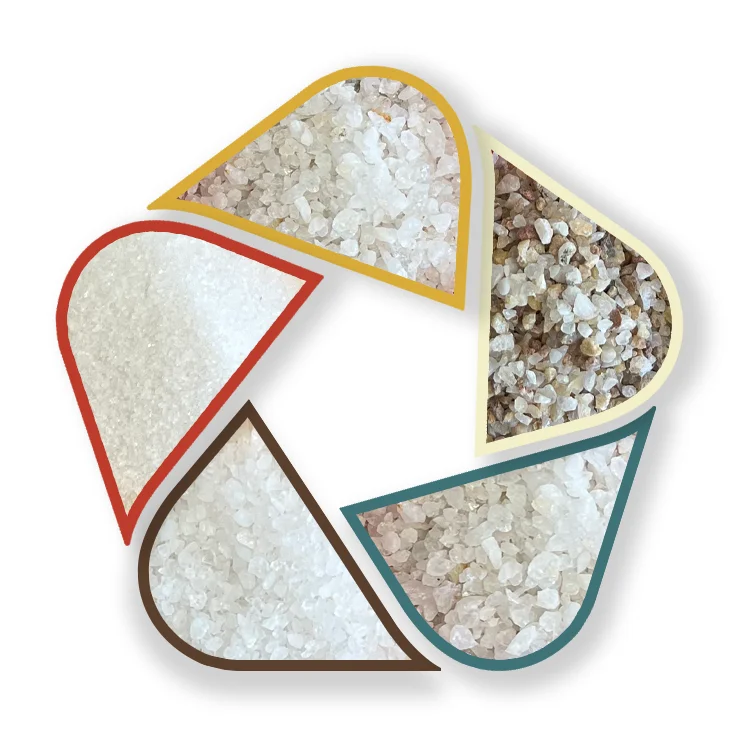
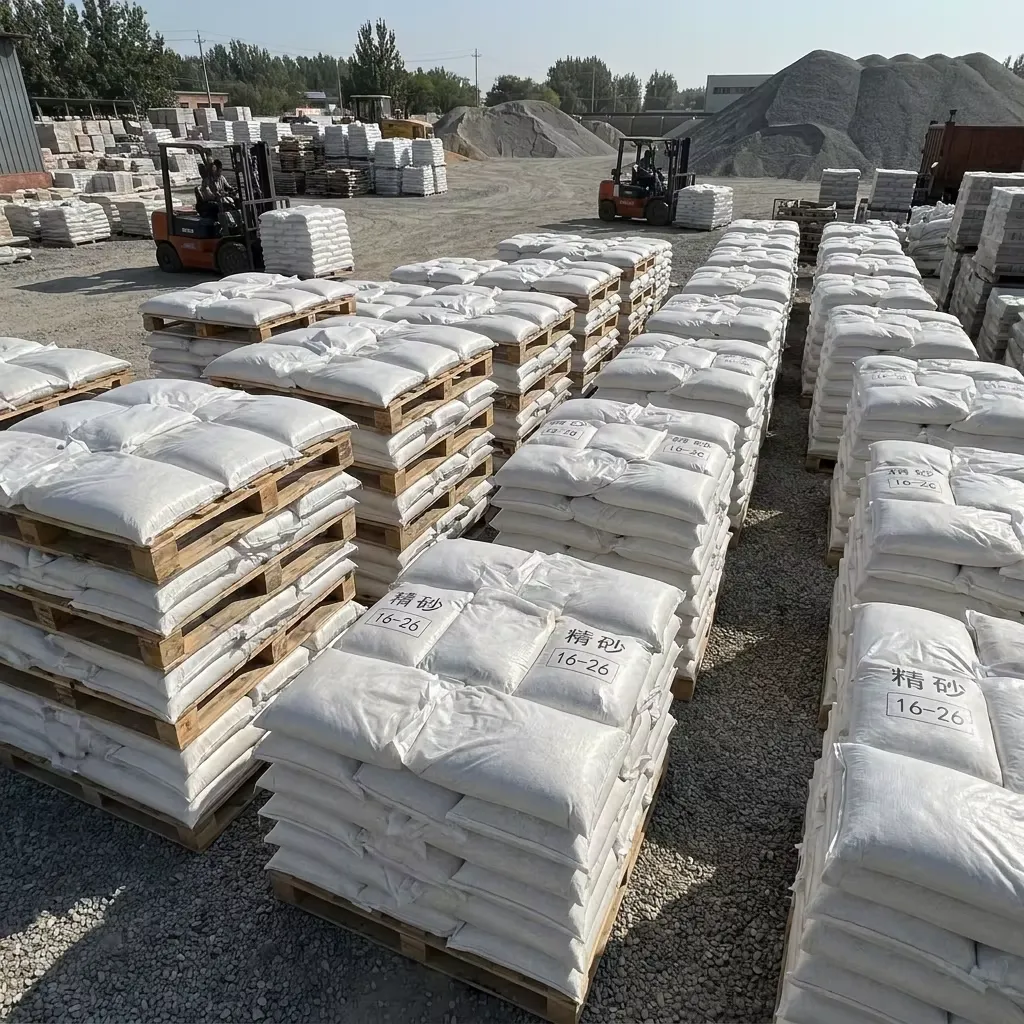
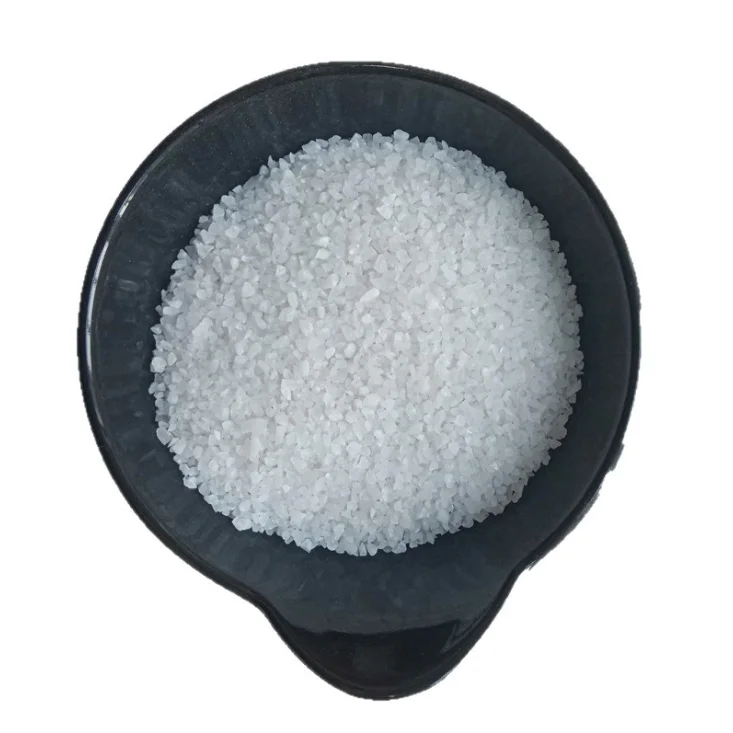
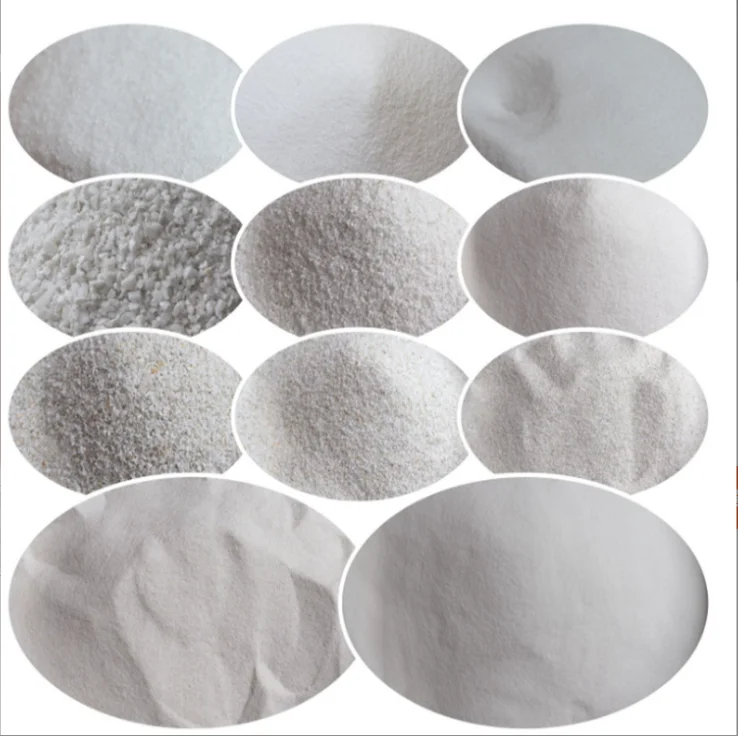
The quartz listings include 70–120 mesh, 16–120 mesh and a separate 16–26mm size field. Those are materially different grading descriptions. We first establish the supplied form and iron specification for the actual glass enquiry, rather than turn a 99.5% silica headline into a complete glassmaking qualification.
Type and impurity limits
SiO2 and iron with methods
Sample and analysis identity
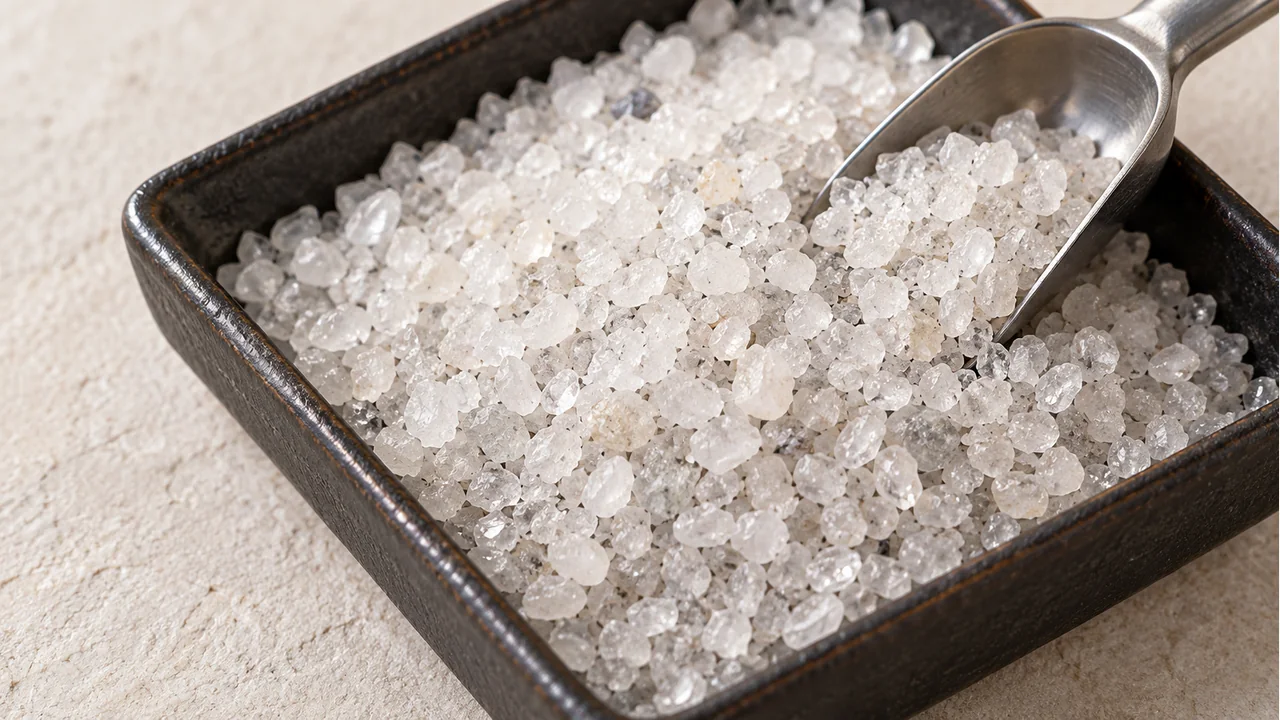
Glassmaking Quartz Requires a Resolved Grading Record
| Review area | Listed data and acceptance basis | Use in your selection |
|---|---|---|
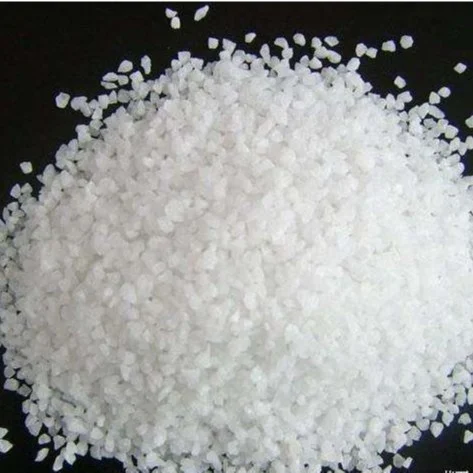
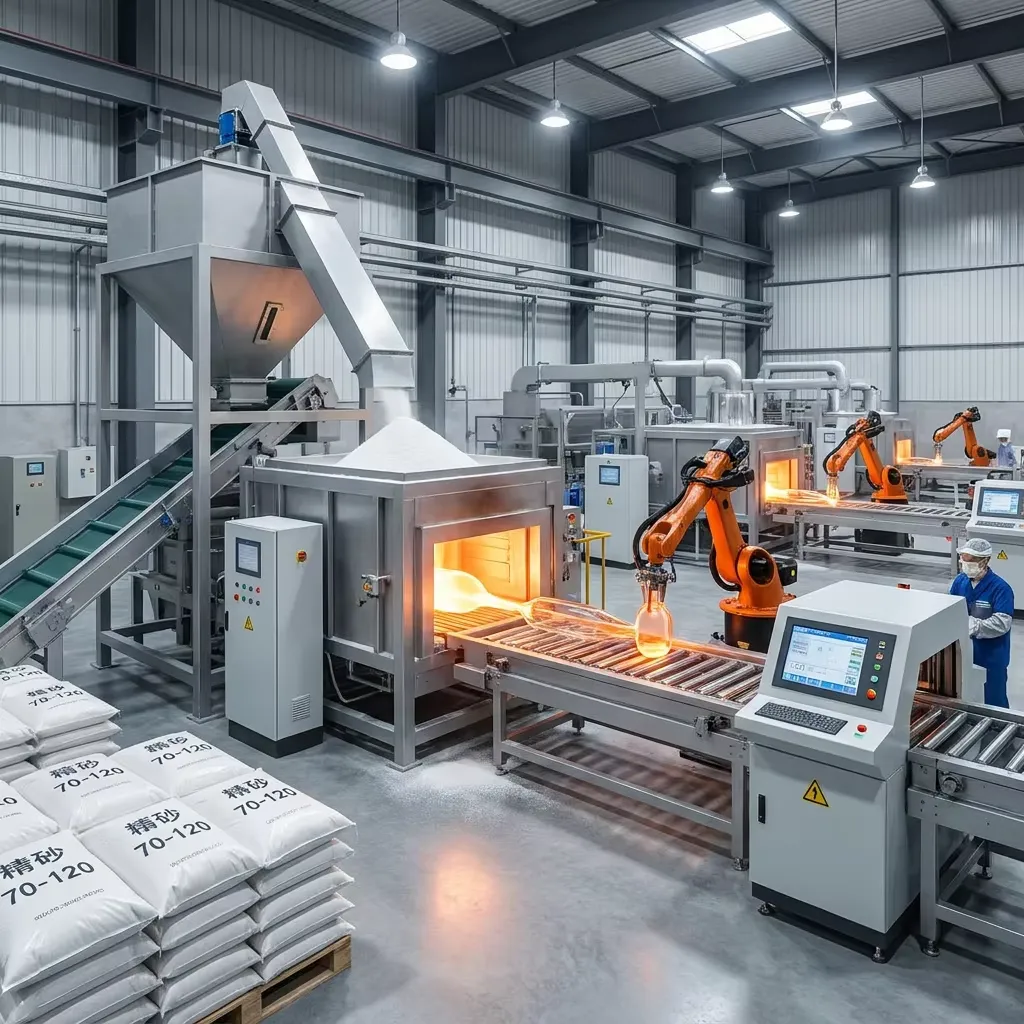
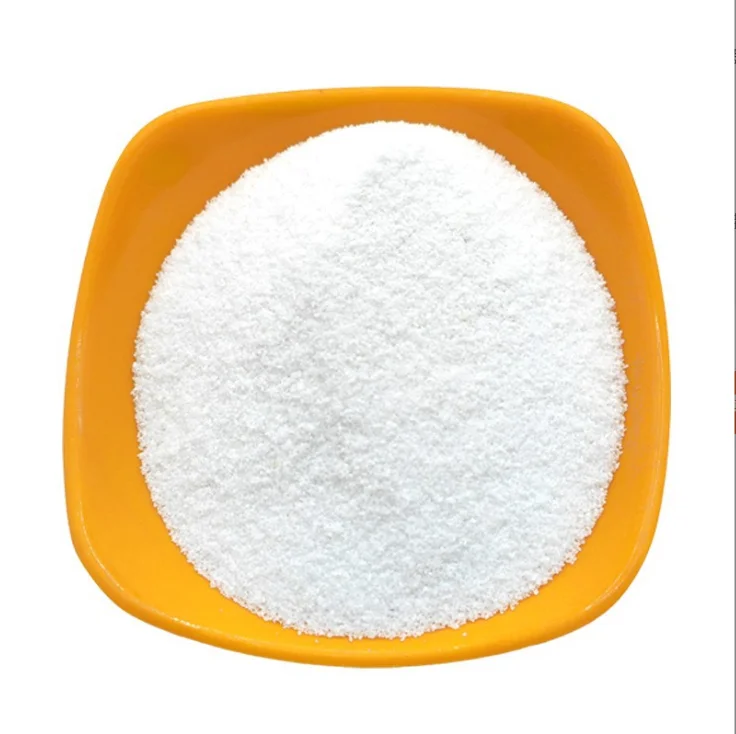
| Quartz · 6547 | The title identifies a 70–120 mesh refined grade with at least 99.5% SiO2. Glass-specific impurity acceptance remains to be agreed. | Use the same particle measurement basis, then review dispersion and the result in your process. |
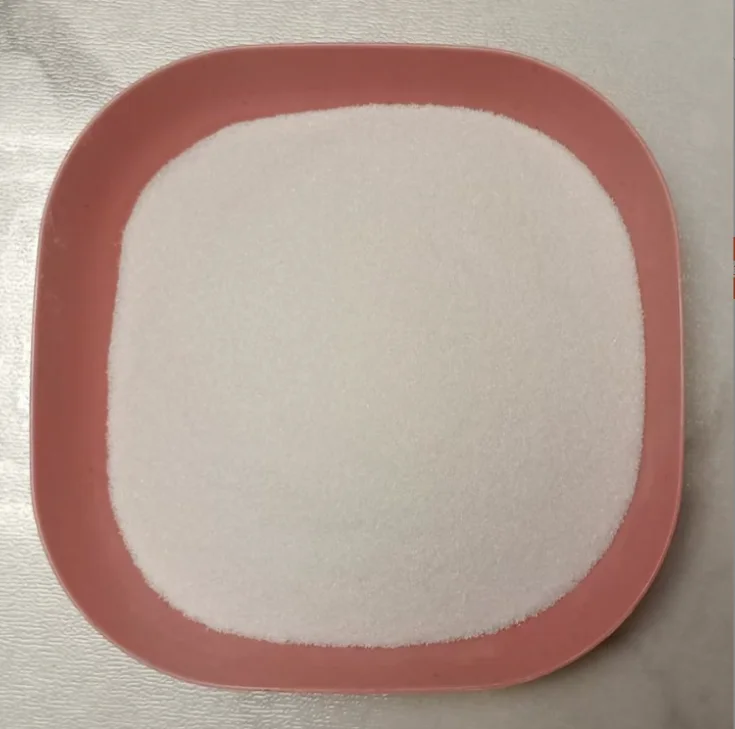
| Quartz · 6524 | The title states at least 99.5% purity with a 16–120 mesh designation. Request the selected fraction and full analysis. | Use the same particle measurement basis, then review dispersion and the result in your process. |
| Quartz · 6563 | The size field states 16–26mm. Reconcile it with the actual offered product before ordering a powder or sand. | Use this item to define the candidate and the evidence needed for your application. |
| Glass specification | Define SiO2, iron and other relevant impurity limits, grading, method and batch identity for the intended glass. | Keep chemical identity, assay basis and the actual offered grade in the same specification. |
Relevant Grades for Your Shortlist
Use these listed candidates to start a grade-specific discussion with us.
The Actual Particle Range
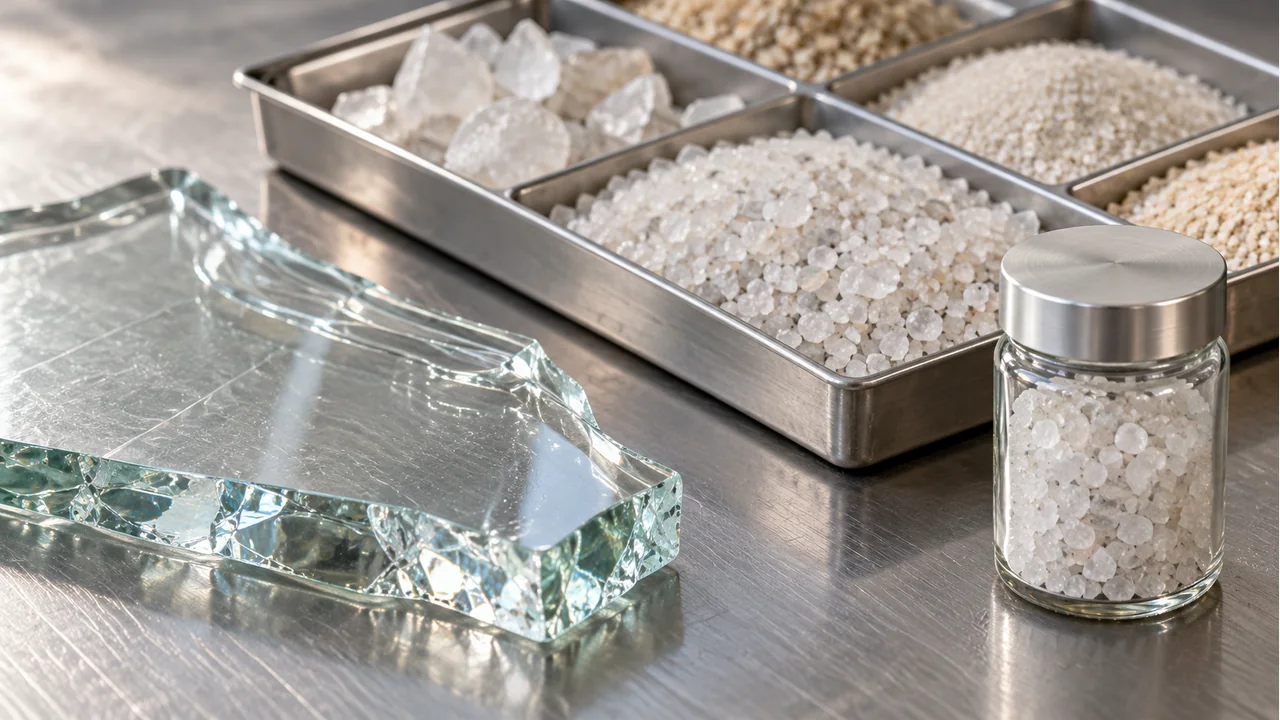
Use the actual supplied grading and documented analysis in a relevant glass-batch evaluation. Keep chemistry and particle records with the sample identity. We do not recommend accepting an unresolved millimetre-versus-mesh description merely because the catalogue also names glassmaking.
High purity
Does not describe every relevant impurity.
Mixed units
Need a clear particle basis.
Conflicting fields
Need actual grade clarification.
Washing, Separation and Size Classification
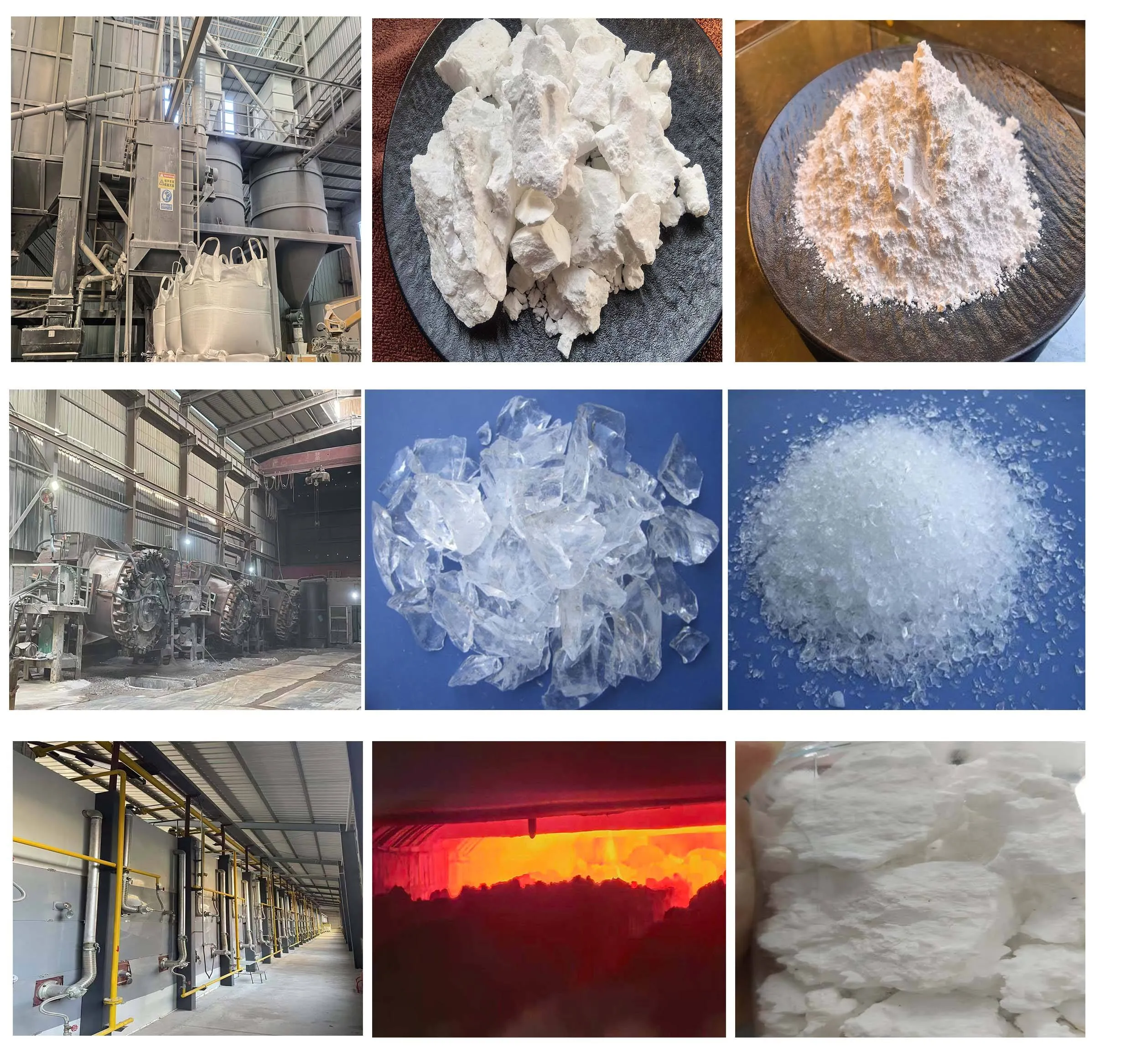
Washing and classification can remove fines and associated material; suitable separation steps may reduce particular impurity minerals. They do not establish the removal of every form of iron from every quartz source. Connect the proposed preparation route with actual iron and sieve results, then qualify the material against the requirements of your own glass batch.
Identify the quartz source
The starting mineral and its associated impurities define the purification task.
Wash and separate
Washing removes loose material; further separation depends on the form and location of the impurities.
Create the size fraction
Screening or classification establishes the grain population offered to the buyer.
Verify the proposed grade
Connect the actual chemistry and sieve results with the specific glass, refractory or filtration requirement.
- Impurities
- Do not infer a particular iron limit from total SiO2 alone.
- Grading
- Keep the actual sieve method and units with the proposed fraction.
- Use
- Hydraulic media, glass feed and refractory powder require distinct acceptance evidence.
A Glassmaking Trial Reference
Your batch and melting conditions give the candidate its practical test. Retain the material identity, grading and relevant results together. We discuss supply against the approved specification rather than a broad glass-use title.
Choose the Next Useful Guide
If you buy potassium carbonate for specialty glass, compare the physical form and impurities as well as the K2CO3 assay.
If you need silica for a refractory formulation, first distinguish quartz flour from other materials called silica powder or silica fume.
If you need quartz filter media, buy the grading required by your filtration and backwash design.
Start with Your Material Brief
Send us the details below to review a concrete grade proposal and the next evaluation step.
- Application and process
- Glass: Type and impurity limits
- Material and grade
- Your current grade or one of the relevant product links above.
- Important requirements
- Chemistry: SiO2 and iron with methods; Batch: Sample and analysis identity
- Purchase scope
- Trial or order quantity, preferred package and destination.
Qingdao Relia Industries Co., Ltd. · China manufacturing of industrial minerals, chemicals and the listed packaging products.
10 / 11Speak with Our Materials Team
Qingdao Relia Industries Co., Ltd.
Tell Relia the material, application, required grade, quantity and destination. Include the product link or the key limits you already use, so the next conversation starts with a concrete proposal.
Phone
+86 18561762631Call to discuss your enquiry.Qingdao contact address
Shuyuan Road, Qingdao,Shandong, ChinaQingdao contact address for the company.