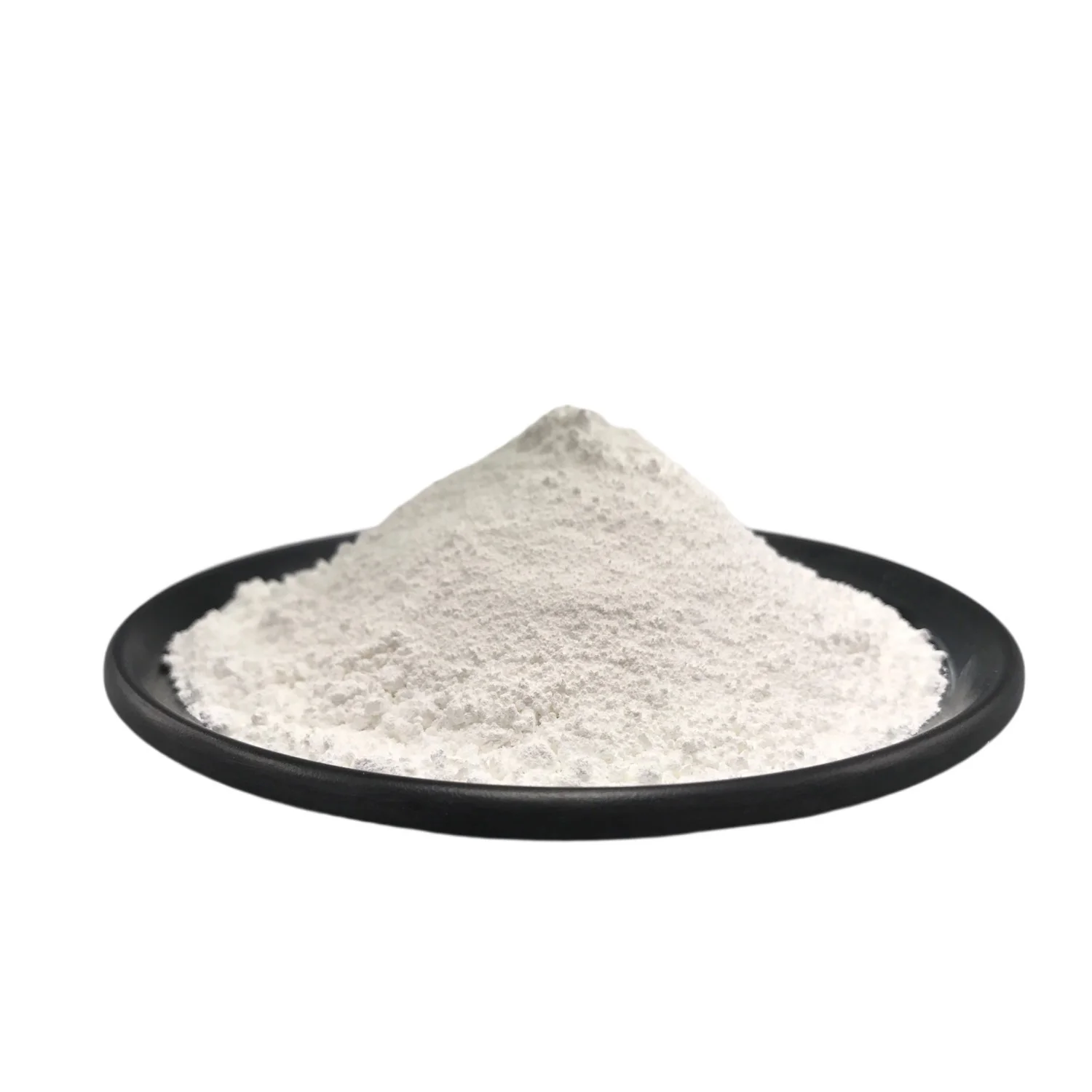
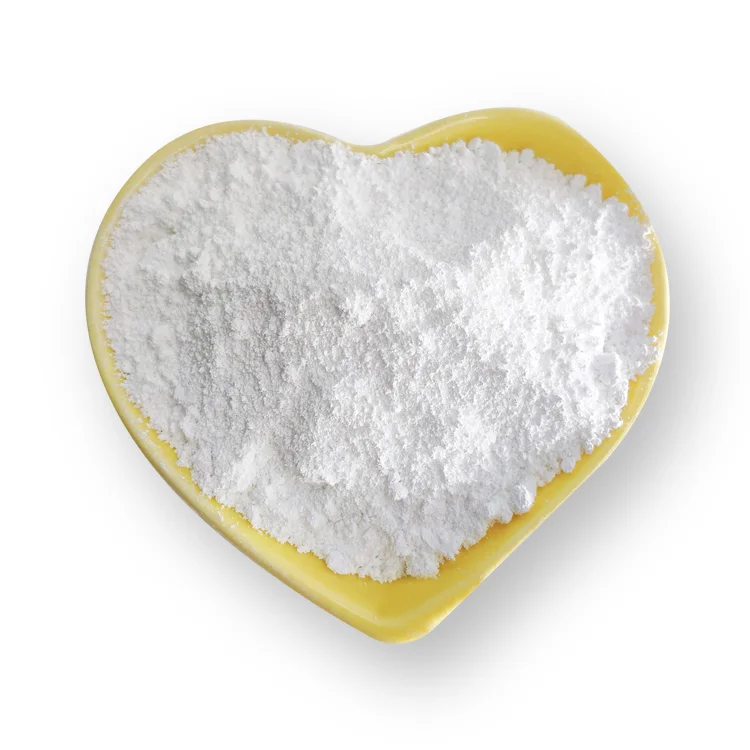
Low-Oil-Demand Fillers for High-Solids Industrial Coatings
If a high-solids coating becomes too viscous as filler loading rises, compare wetting and particle behaviour in the complete binder system.
Relia's carbonate and barium sulfate candidates offer different starting points for that review.
- Solids
- Formulation and application target
- Oil demand
- Comparable measurement basis
- Film
- Your accepted coating properties
Manufacturing Support for This Purchase
Relia manufactures ground, precipitated and selected surface-coated calcium carbonate grades in China through its own factories.
We can review the filler enquiry around your solids target, binder and acceptable application viscosity. Tell Relia which powder is currently approved and which film properties must remain. The proposal should retain the actual absorption test and particle basis, allowing your coating trials to investigate a defined change.
Solids
Formulation and application target
Oil demand
Comparable measurement basis
Handling
Wetting, viscosity and flow
Film
Your accepted coating properties
The Rheology Window
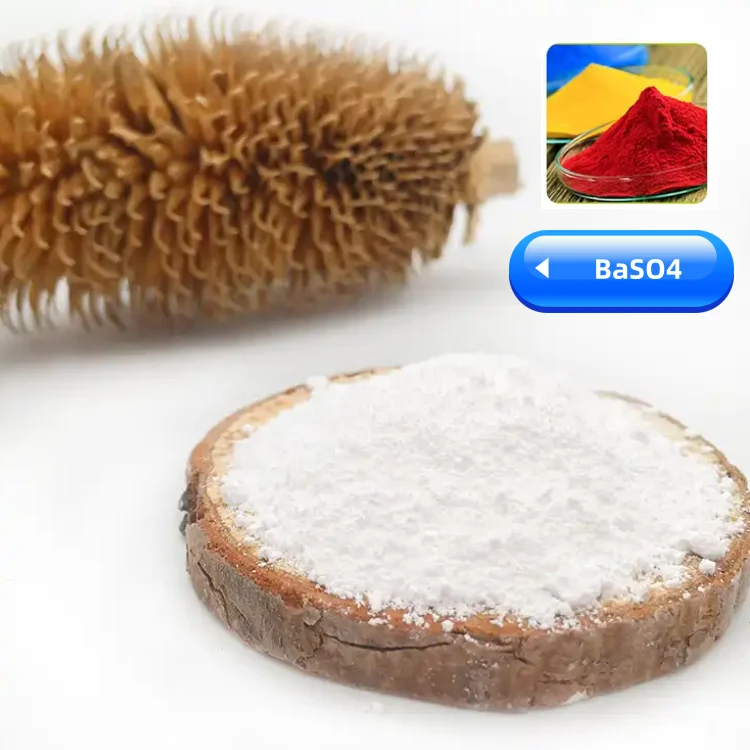
XM-BA37 carries an oil-absorption field of 12–14, but the catalogue does not state the unit or method. That is a useful clarification point, not yet a comparable acceptance limit. We consider this grade beside modified XM-M500 and XM-300 carbonate in the actual high-solids system.
Formulation and application target
Comparable measurement basis
Your accepted coating properties
Oil-Demand Data with Their Methods Intact
| Review area | Listed data and acceptance basis | Use in your selection |
|---|---|---|
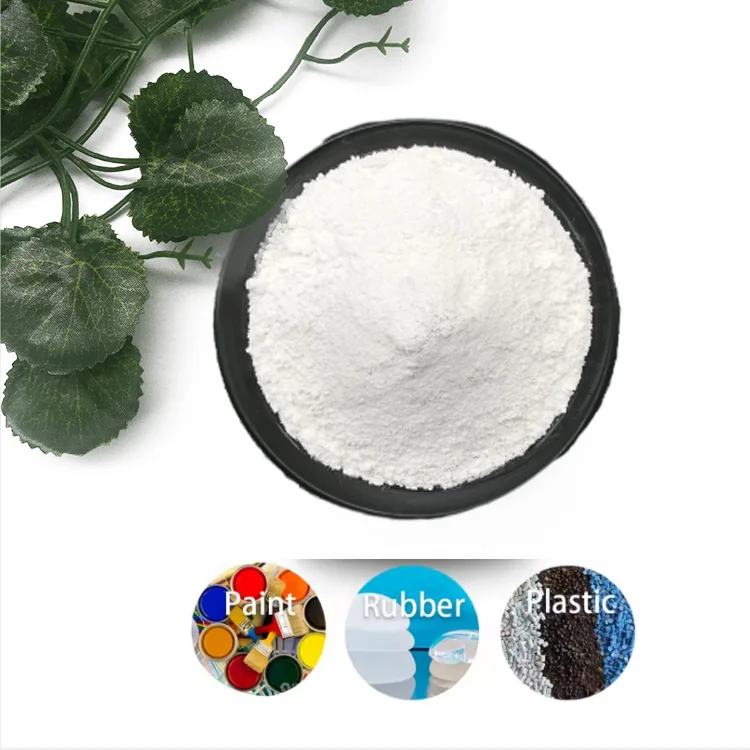
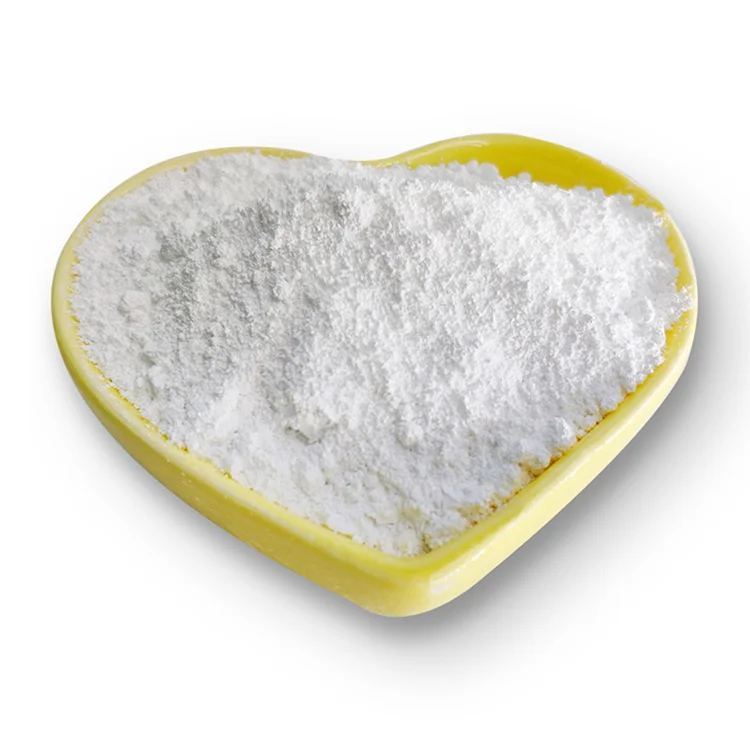
| XM-BA37 · 5892 | Purity is listed 98%; oil absorption is 12–14 without a stated unit. Obtain the method, unit and endpoint. | Keep chemical identity, assay basis and the actual offered grade in the same specification. |
| XM-M500 · 6015 | A modified precipitated BaSO4 entry with D50 0.5 micron in the title. Confirm treatment and relevant rheology data. | Use the same particle measurement basis, then review dispersion and the result in your process. |
| XM-300 · 6003 | The carbonate entry gives 1.5 micron average size and D97 3.8 micron. Compare wetting and the complete formulation. | Use the same particle measurement basis, then review dispersion and the result in your process. |
| Application window | Set solids, viscosity at a defined shear condition, flow, sag and the required film properties. | Use your required finished-product result as the acceptance point for the candidate. |
Explore the Related Material Grades
Use these listed candidates to start a grade-specific discussion with us.
Wetting and Film Together
Compare wetting, mixing viscosity and application in the actual binder at the intended solids. Keep oil-demand test methods consistent; results with different endpoints should not be ranked as one interchangeable number. The coating trial then shows whether a candidate fits the required balance of handling and film performance.
Single metric
Does not predict full rheology.
Different systems
Need separate trials.
Repeat supply
Retain treatment and particle identity.
Particle Preparation and Surface Condition
Grinding, classification and surface finishing alter the particle population and the surface available for wetting. Oil absorption provides one comparison under a named test, while your binder and dispersion process determine the resulting coating viscosity. Link those two levels of evidence instead of translating a powder number directly into a promised increase in usable solids.
GCC: dry and wet routes
Relia uses both dry- and wet-grinding routes for GCC. Grinding and classification are connected to the selected powder's particle specification.
PCC: crystal formation
Relia produces PCC through calcination, slaking and carbonation. The precipitation route forms new particles rather than only grinding the starting mineral.
Selected surface-coated grades
Relia applies surface coating to selected carbonate grades. The actual treatment and intended application remain part of the grade discussion.
Defined carbonate checks
Routine batch checks cover whiteness, moisture and purity. Particle size and oil absorption are checked according to the grade or order requirements.
- Distribution
- Retain average size, D50 and D97 as their actual reported measurements.
- Surface
- Connect a treatment declaration with the application and absorption or wetting evidence.
- Identity
- Keep the selected grade and relevant method with the sample comparison.
A Repeatable Grade Proposal
Retain the accepted trial and the filler identity with the agreed requirements. We discuss supply using the proposed treatment and particle specification. A different material source or formulation deserves a relevant check before routine use.
Connect the Next Purchasing Step
If you want a higher filler loading in an adhesive without losing workable viscosity or bond performance, compare the whole formulation.
If you buy precipitated barium sulfate for an automotive or industrial liquid topcoat, focus on the particle population that reaches the finished film.
If you want to use TiO2 more efficiently in white paint, an extender is a trial variable rather than a direct replacement for hiding pigment.
Start with Your Material Brief
Send us the details below to review a concrete grade proposal and the next evaluation step.
- Application and process
- Solids: Formulation and application target
- Material and grade
- Your current grade or one of the relevant product links above.
- Important requirements
- Oil demand: Comparable measurement basis; Film: Your accepted coating properties
- Purchase scope
- Trial or order quantity, preferred package and destination.
Qingdao Relia Industries Co., Ltd. · China manufacturing of industrial minerals, chemicals and the listed packaging products.
10 / 11Speak with Our Materials Team
Qingdao Relia Industries Co., Ltd.
Tell Relia the material, application, required grade, quantity and destination. Include the product link or the key limits you already use, so the next conversation starts with a concrete proposal.
Phone
+86 18561762631Call to discuss your enquiry.Qingdao contact address
Shuyuan Road, Qingdao,Shandong, ChinaQingdao contact address for the company.