Titanium Dioxide and Barium Sulfate for White Inks
If you formulate white ink, treat TiO2 and barium sulfate as two raw-material decisions within one printed result.
Relia's pigment and extender candidates can be compared for identity, particle limits and dispersion in your ink chemistry.
- Ink
- Binder, process and substrate
- Pigment
- TiO2 grade and dispersion
- Result
- Grind, viscosity and printed opacity
Manufacturing Support for This Purchase
Relia manufactures titanium dioxide and barium sulfate materials in China through its own factories.
We can review the pigment and extender enquiry together while keeping each product specification separate. Tell Relia the ink chemistry, print process and the critical limits for opacity, grit and appearance. The candidate set should identify the actual TiO2 and BaSO4 grades before your team evaluates the blend.
Ink
Binder, process and substrate
Pigment
TiO2 grade and dispersion
Extender
Barium sulfate identity and particles
Result
Grind, viscosity and printed opacity
The Ink System First
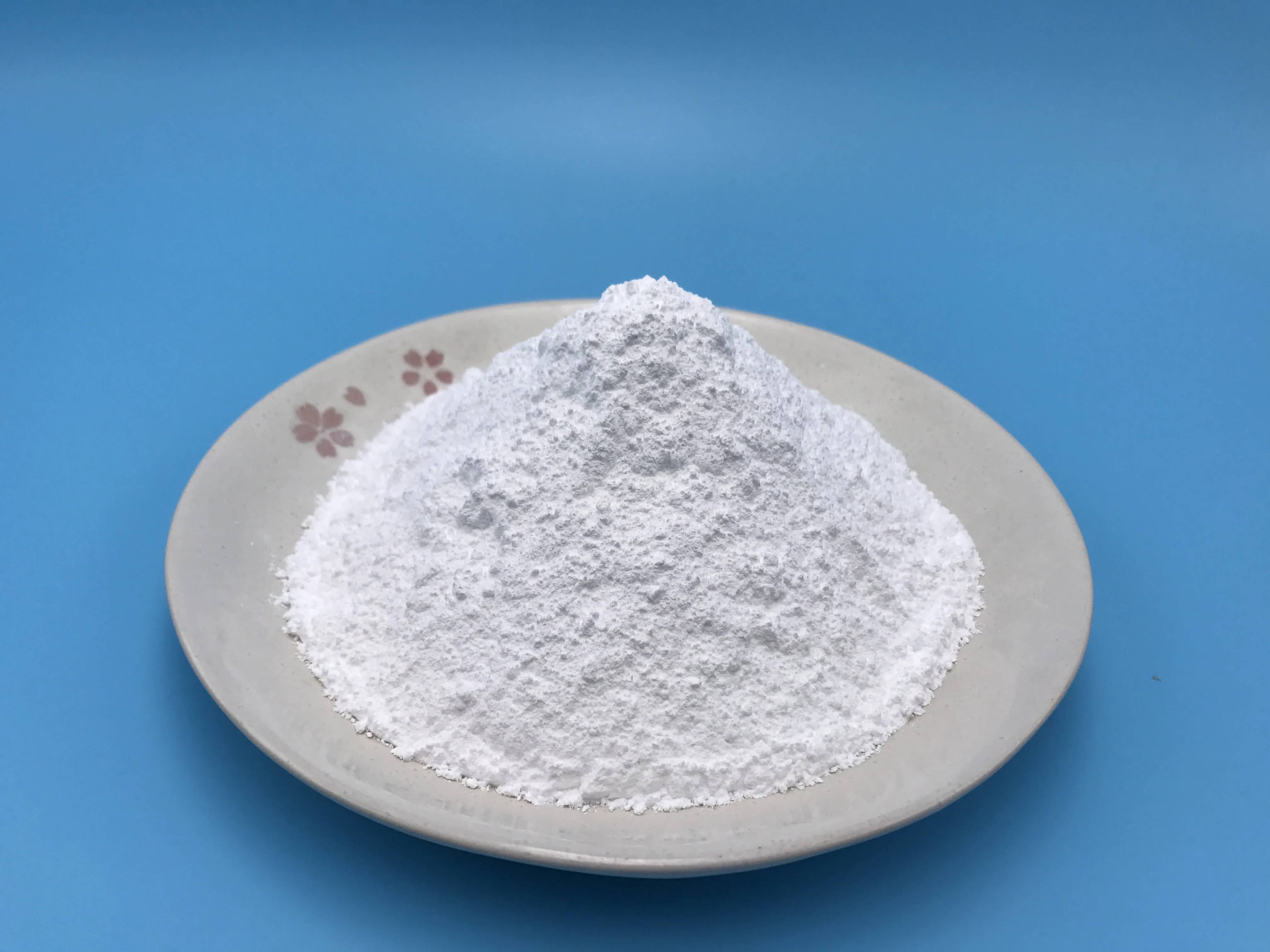
For a printing ink, anatase TiO2 and barium sulfate have different jobs in the pigment package. XM-A001 provides a TiO2-content range, while XM-M500 and the 0.7 micron BaSO4 entry provide different extender starting points. We organise the enquiry around the ink binder, print method and intended substrate.
Binder, process and substrate
TiO2 grade and dispersion
Grind, viscosity and printed opacity
Pigment and Extender Data for Printing Ink
| Review area | Listed data and acceptance basis | Use in your selection |
|---|---|---|
| XM-A001 · 5969 | The TiO2 content is listed 96–98.5%. The oil-absorption field is 21–26 with no unit stated, so clarify it before comparison. | Use this item to define the candidate and the evidence needed for your application. |
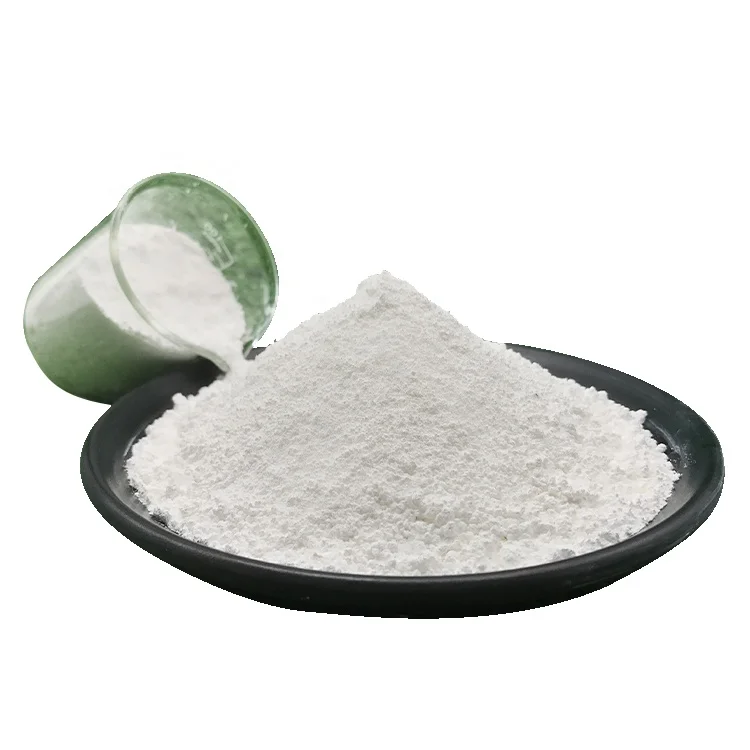
| XM-M500 · 6015 | Modified precipitated BaSO4 with a 0.5 micron D50 designation and 98% minimum purity in the title. | Use the same particle measurement basis, then review dispersion and the result in your process. |
| BaSO4 · 5836 | The listing states 0.7 micron D50 and 98.5% minimum purity. Confirm the full distribution relevant to the ink. | Use the same particle measurement basis, then review dispersion and the result in your process. |
| Printing conditions | Record binder, substrate, print method, viscosity conditions and required colour, opacity or gloss. | Match the stated measurement method and compare the appearance in your finished material. |
Explore the Related Material Grades
Use these listed candidates to start a grade-specific discussion with us.
Grinding and Printing Together
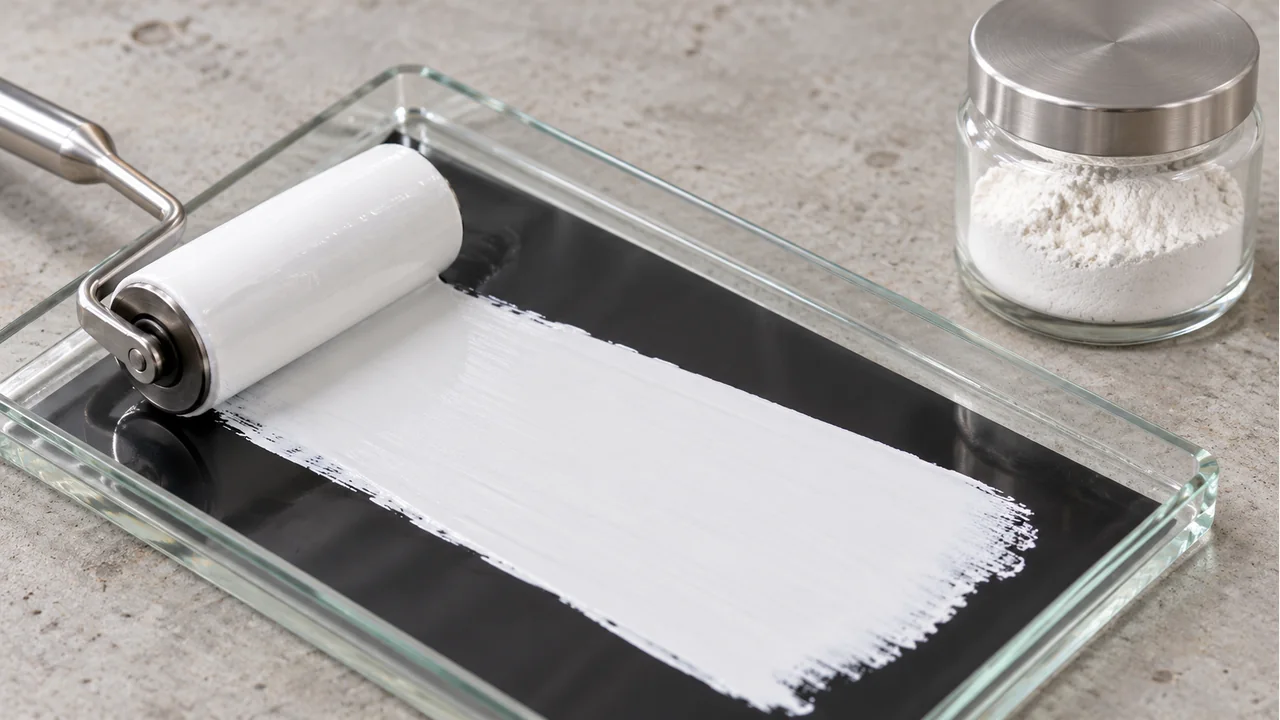
Compare inks at matched print conditions and a defined applied amount. Follow dispersion, transfer, colour and the appearance or drying requirements of the actual system. A powder purity figure cannot show whether a candidate will print cleanly through your process.
Universal blends
Validate your actual ink.
Replacement ratios
Do not assume equivalence.
Two sources
Retain separate material approval.
Pigment Finishing Through to Ink Dispersion
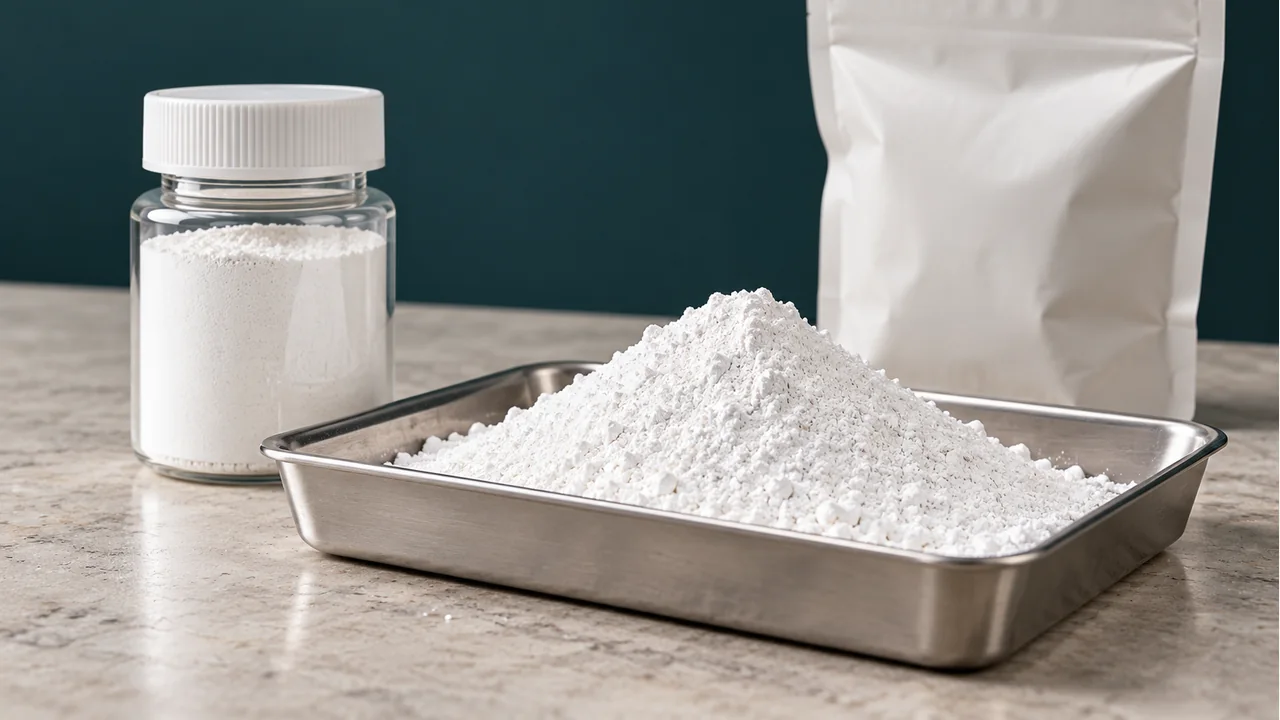
TiO2 finishing controls the surface of the hiding pigment, while BaSO4 particle formation and finishing define a different material. Both powders then pass through your dispersion and printing process. Keep the grades, grind conditions and coarse-residue limits separate so a change in printed appearance can be traced to the relevant material or preparation step.
Identify the pigment
Define the proposed TiO2 grade and any declared treatment for the ink system.
Identify the extender
Keep the BaSO4 assay and particle specification separate from the TiO2 proposal.
Review supplied condition
Finishing can influence powder agglomeration and the material that enters the ink's grind stage.
Compare the printed result
Retain grade identities and grind conditions with the printed-film measurements.
- Dispersion
- Connect coarse-residue or grind observations with the preparation method.
- Optics
- Keep print thickness and substrate with opacity and colour results.
- Traceability
- Identify the two raw materials separately in the trial and order brief.
Approval for the Combination
Keep the accepted ink reference and both raw-material identities in the purchase file. We discuss repeat supply per grade. A change to one component can then be reviewed without losing the traceability of the other.
Connect the Next Purchasing Step
If you are sourcing TiO2 for an exterior white coating, rutile content or a bright powder is only part of the decision.
If you buy precipitated barium sulfate for an automotive or industrial liquid topcoat, focus on the particle population that reaches the finished film.
If you are buying a mica-based effect pigment, begin with the finish your coating or ink must produce.
Start with Your Material Brief
Send us the details below to review a concrete grade proposal and the next evaluation step.
- Application and process
- Ink: Binder, process and substrate
- Material and grade
- Your current grade or one of the relevant product links above.
- Important requirements
- Pigment: TiO2 grade and dispersion; Result: Grind, viscosity and printed opacity
- Purchase scope
- Trial or order quantity, preferred package and destination.
Qingdao Relia Industries Co., Ltd. · China manufacturing of industrial minerals, chemicals and the listed packaging products.
10 / 11Speak with Our Materials Team
Qingdao Relia Industries Co., Ltd.
Tell Relia the material, application, required grade, quantity and destination. Include the product link or the key limits you already use, so the next conversation starts with a concrete proposal.
Phone
+86 18561762631Call to discuss your enquiry.Qingdao contact address
Shuyuan Road, Qingdao,Shandong, ChinaQingdao contact address for the company.