Consolidating Raw Materials for a Coatings Plant
If your coatings plant buys TiO2, barium sulfate and calcium carbonate separately, Relia offers one contact for reviewing those material enquiries together.
Each powder still needs its own specification and approval.
- Material list
- Separate specifications and quantities
- Source
- Manufacturing or supply role
- Delivery
- Packing and transport conditions
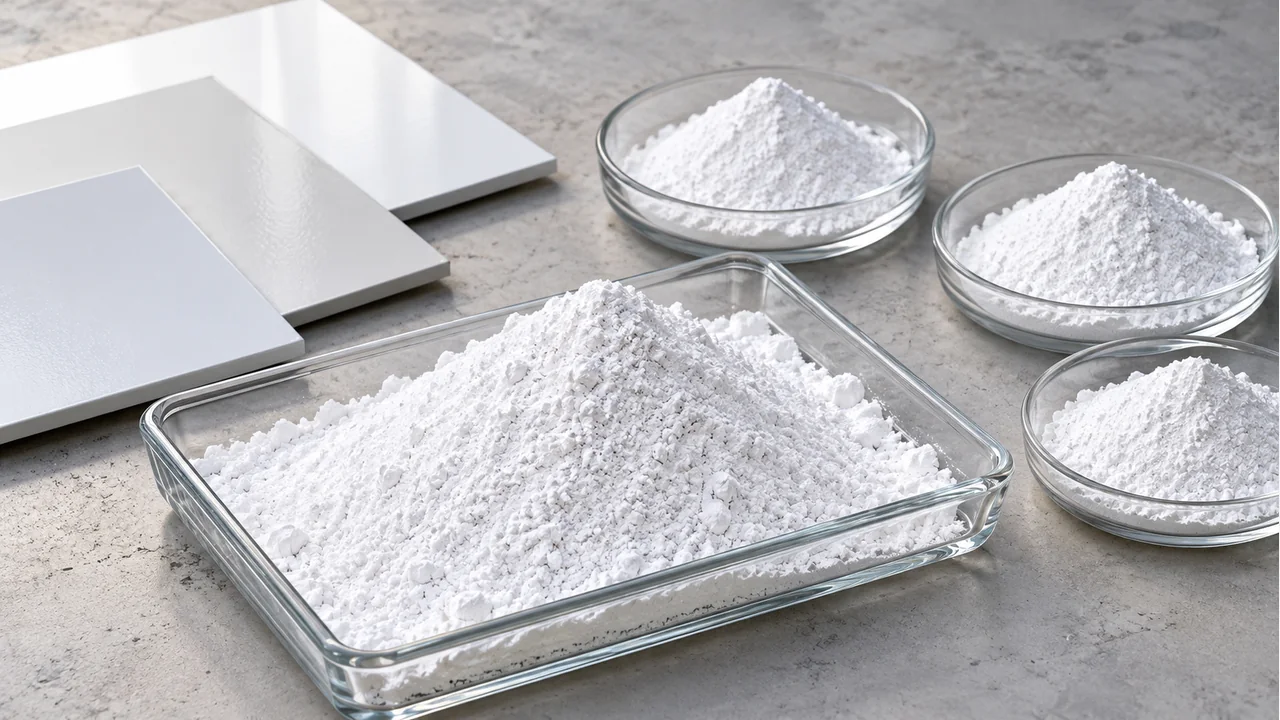
From Your Requirement to a Defined Grade
Relia manufactures calcium carbonate, barium sulfate and titanium dioxide materials in China through its own factories.
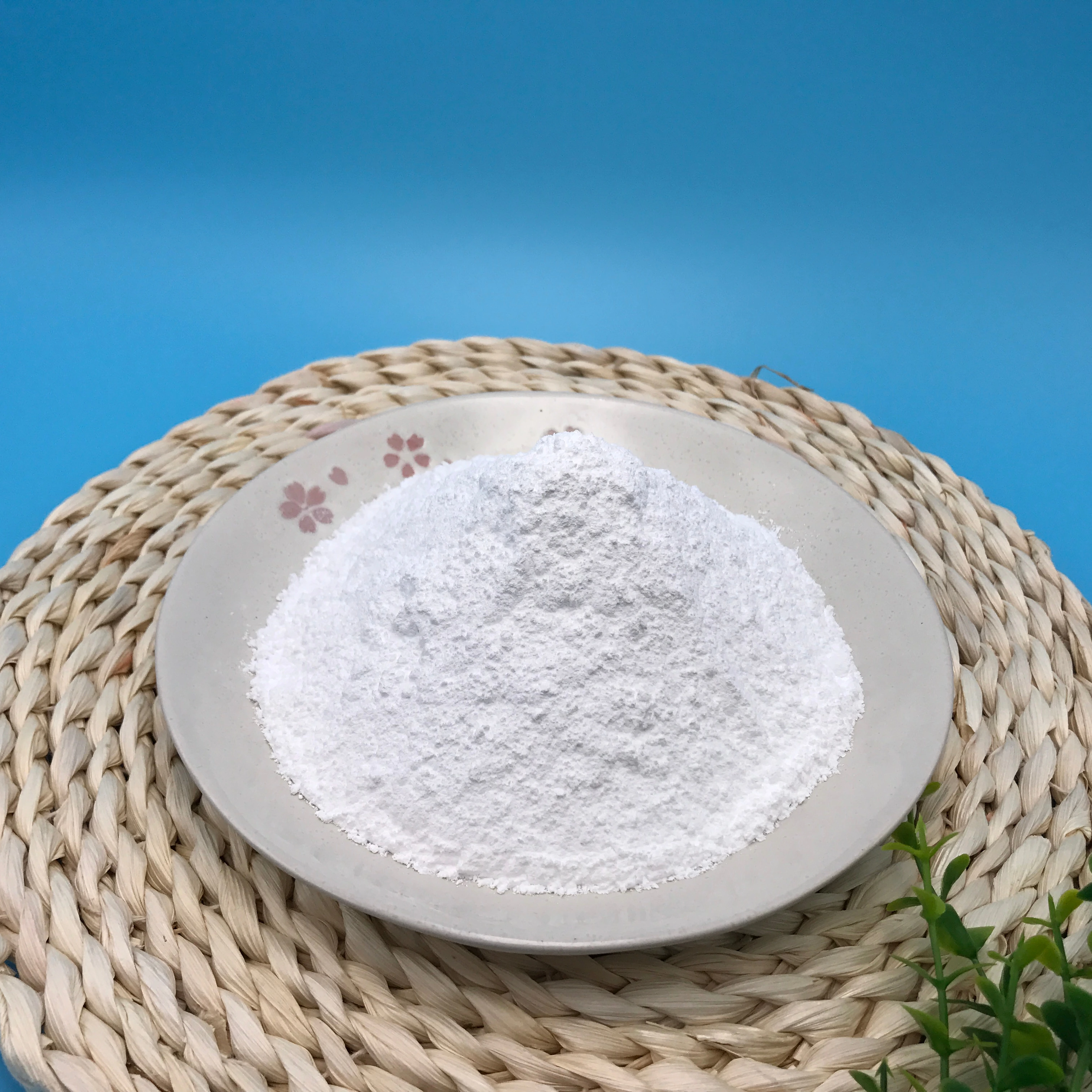
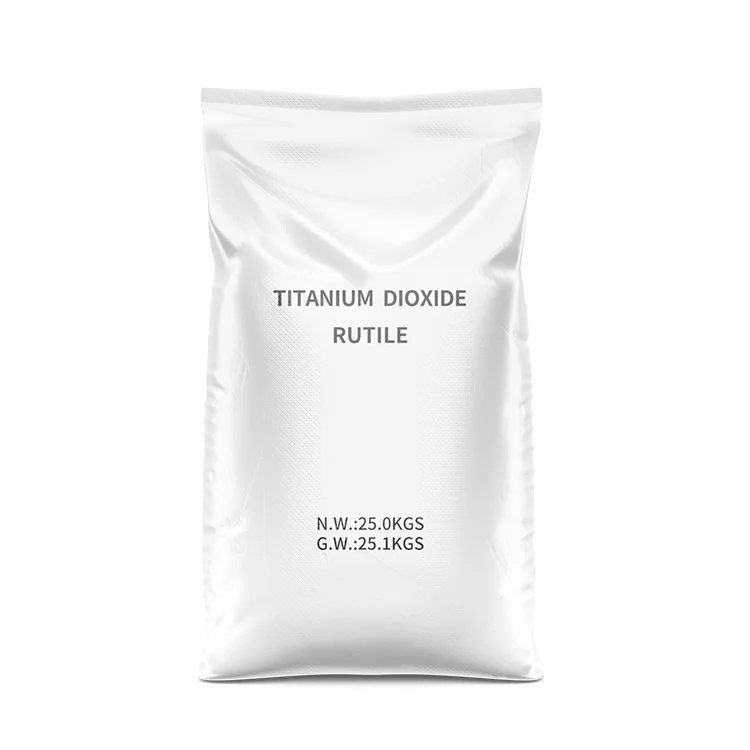
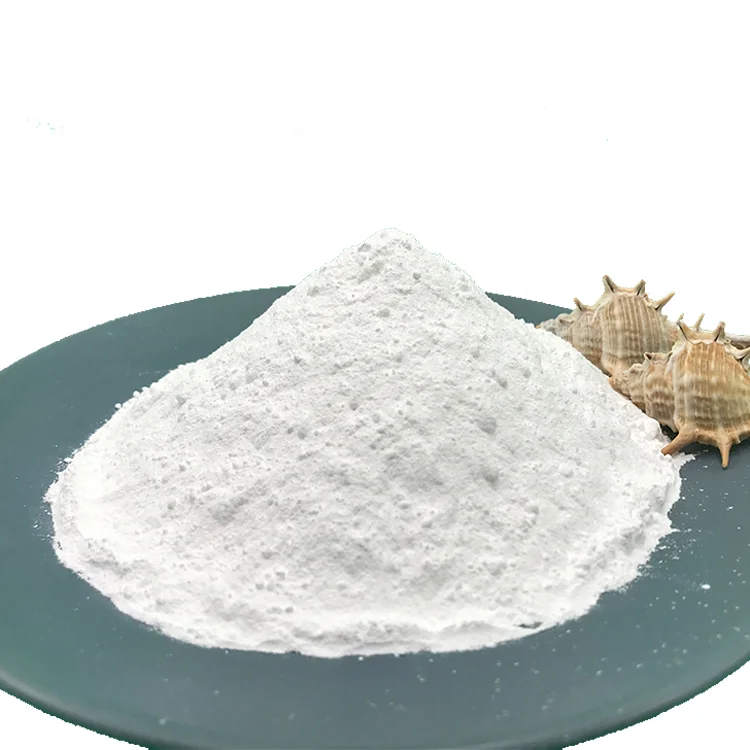
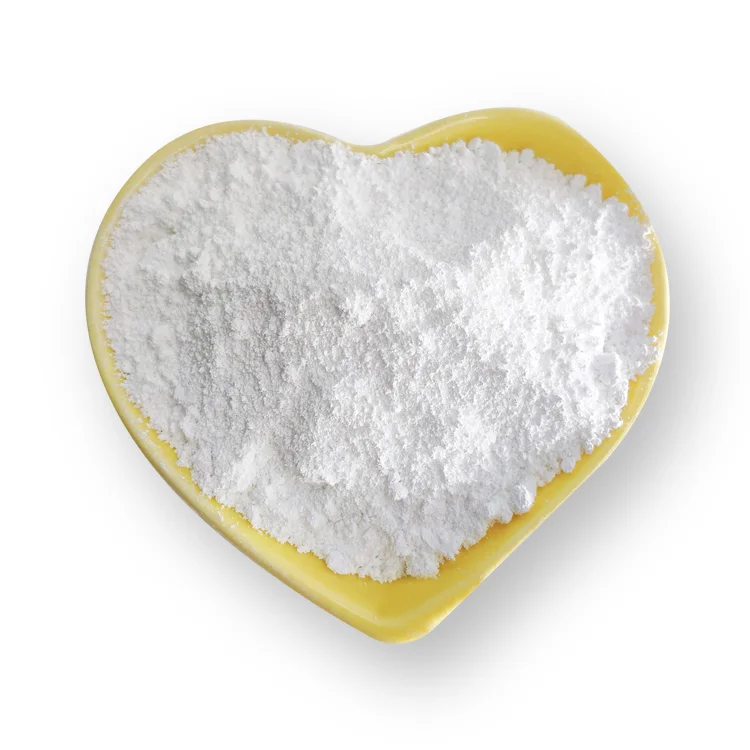
Our role in a combined coatings enquiry is to keep the material proposals organised without merging their specifications. Our catalogue includes XM-T288 rutile TiO2, precipitated barium sulfate and XM-300 calcium carbonate. Identify the proposed production source and technical file for each item before agreeing a consolidated order.
Material list
Separate specifications and quantities
Source
Manufacturing or supply role
Approval
Each pigment and filler reviewed
Delivery
Packing and transport conditions
One Enquiry with Separate Materials
A white-coating purchase can involve a hiding pigment, an extender and a mineral filler. We separate their roles before discussing a combined shipment. Start with XM-T288 for a rutile-pigment review, the 0.7 micron D50 barium sulfate for an extender review, and XM-300 for a carbonate review.
Separate specifications and quantities
Manufacturing or supply role
Packing and transport conditions
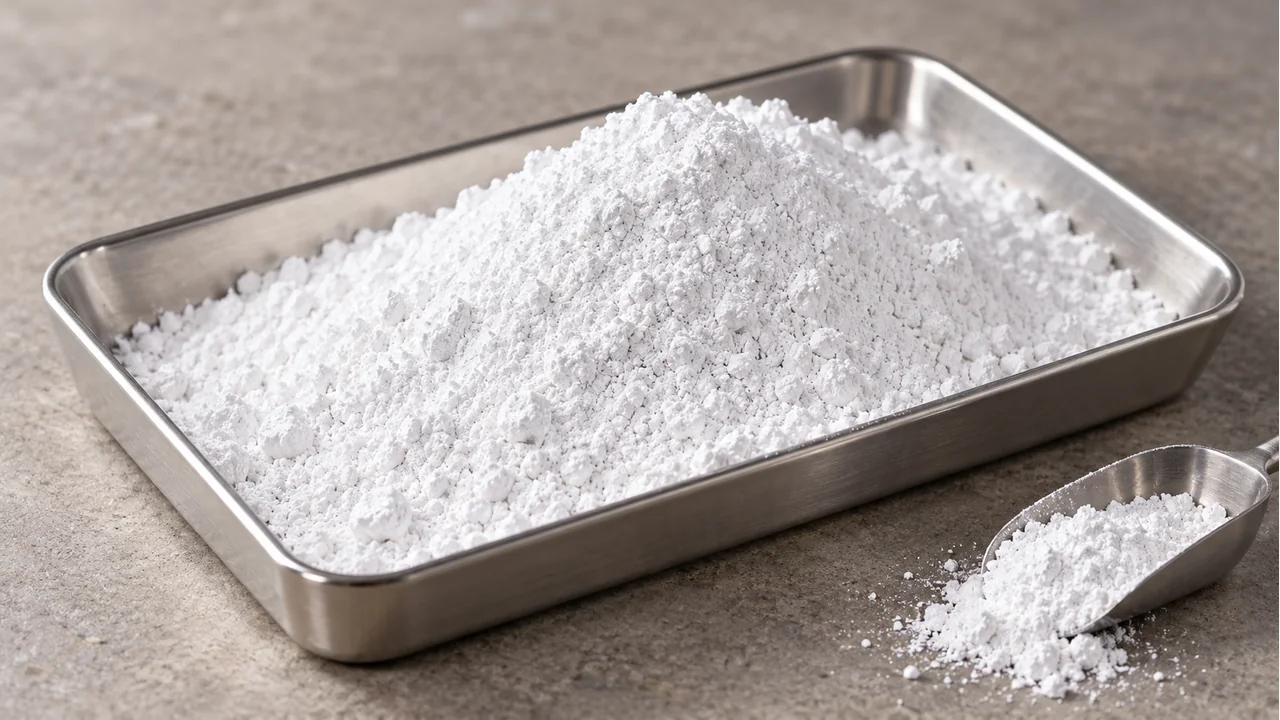
Three Materials, Three Different Buying Criteria
| Review area | Listed data and acceptance basis | Use in your selection |
|---|---|---|
| XM-T288 · 5956 | The rutile listing states 94% purity. Confirm treatment, colour and dispersion in the intended coating. | Match the stated measurement method and compare the appearance in your finished material. |
| BaSO4 · 5836 | The listing states 98.5% minimum purity and D50 0.7 micron. This median is not a maximum-particle limit. | Use the same particle measurement basis, then review dispersion and the result in your process. |
| XM-300 · 6003 | Average particle size is 1.5 micron and D97 is 3.8 micron. Keep both figures with the measurement method. | Use the same particle measurement basis, then review dispersion and the result in your process. |
| Combined purchasing | Request separate grade specifications and packing details. Sharing a purchase order does not make the three powders interchangeable. | Use the same quantity, packaging and destination when comparing supply proposals. |
Compare the Product Candidates
Use these listed candidates to start a grade-specific discussion with us.
A Complete Cost Comparison
Keep the accepted binder, application thickness and substrate fixed while comparing the proposed pigment/extender package. Record opacity, gloss and viscosity alongside actual material costs. We can then discuss separate approved grades under one enquiry rather than promise a saving from a blended commodity quotation.
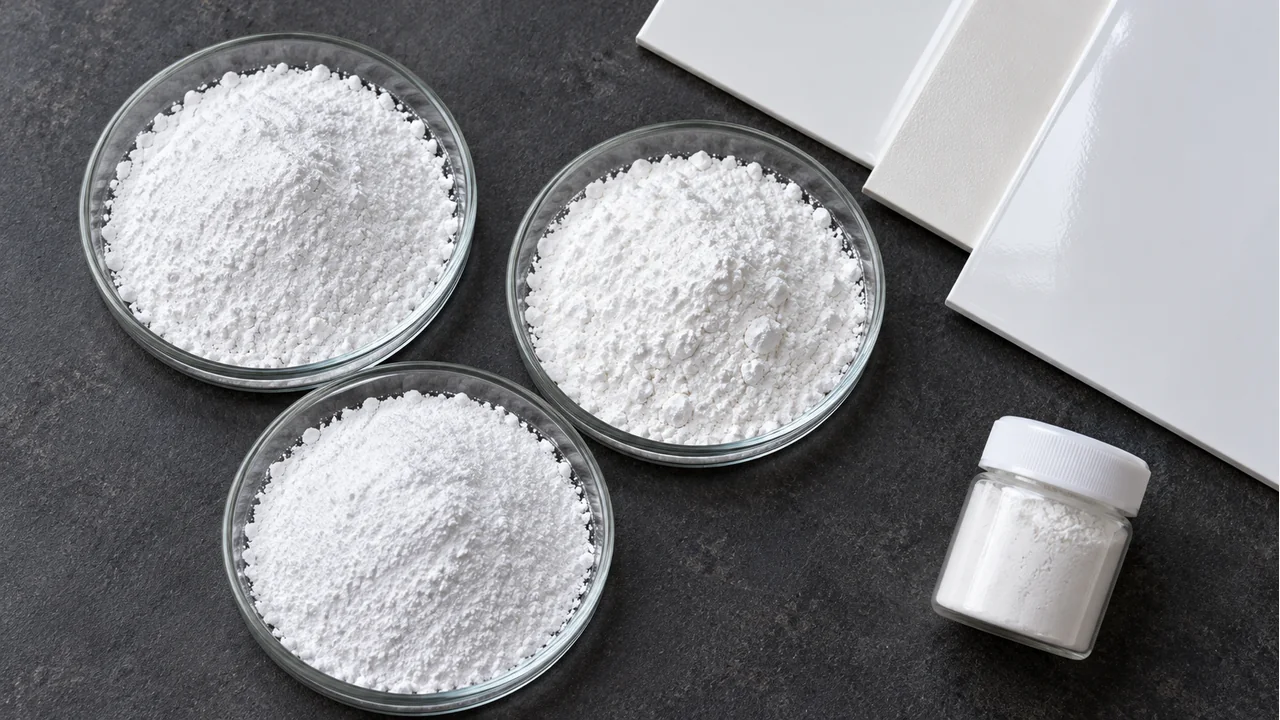
One supplier
Does not remove individual grade approval.
Combined price
Use the same terms and scope.
Batch confusion
Keep product records separate.
Separate Production Routes for Each Powder
A pigment, a precipitated extender and a ground carbonate reach their final properties through different operations. TiO2 finishing can include surface treatment; precipitated BaSO4 requires particle formation and washing; GCC depends on mineral preparation and classification. A common shipment should preserve these differences in the individual specifications and approval records.
Define three material roles
Identify the hiding pigment, the BaSO4 extender and the carbonate filler as separate raw materials.
Review particle manufacture
TiO2 pigment production, sulfate precipitation and carbonate preparation create different material structures.
Review the finishing stage
Surface finishing, washing and size control affect the powder supplied for each distinct proposal.
Retain individual records
Connect each offered material with its own composition, particle and application acceptance information.
- Source and grade
- Identify each individual production source in the proposal.
- Finishing
- Request the actual treatment or finishing declaration for each powder.
- Approval
- Keep separate sample and finished-coating results for the three materials.
Coordinated Supply with Traceability
Each product keeps its own SDS, grade file and batch record. Combined delivery arrangements need to be confirmed against the materials, packaging and destination. Your acceptance and issue-tracing process can then follow each raw material independently.
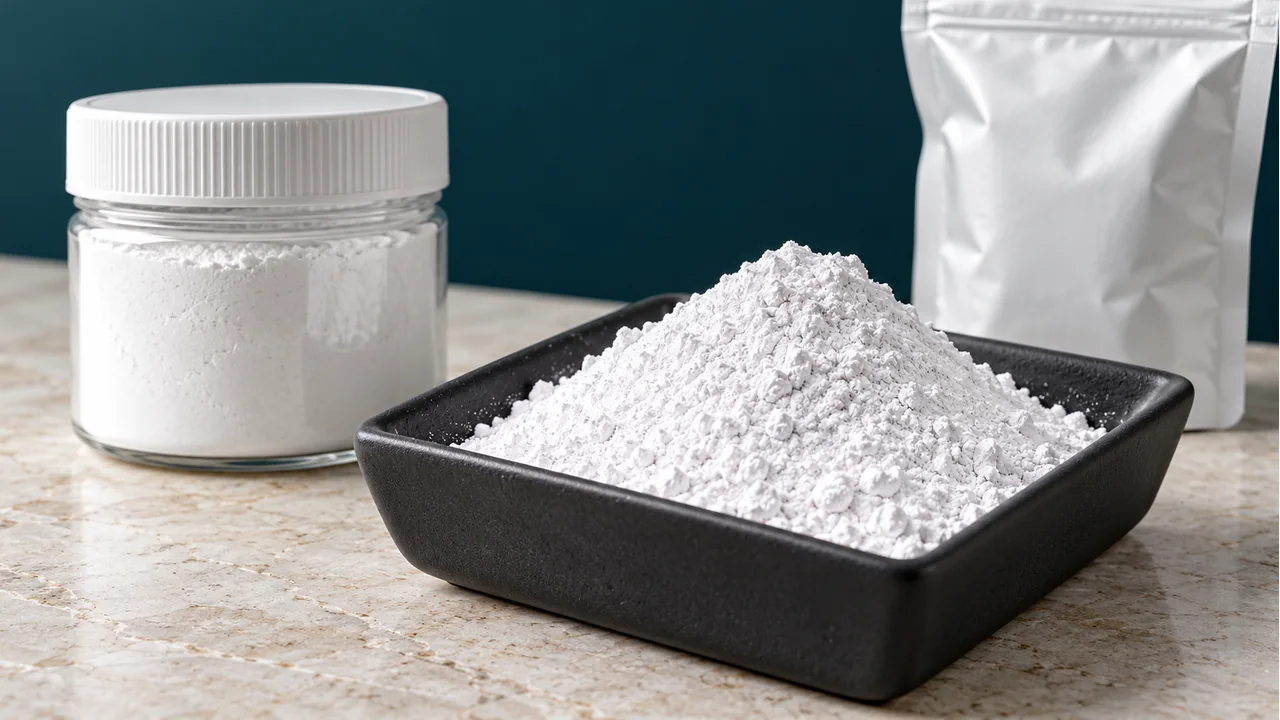
Continue Your Material Selection
If you are sourcing TiO2 for an exterior white coating, rutile content or a bright powder is only part of the decision.
If you need a filler candidate for high-gloss powder coating, compare barium sulfate by grade, coarse tail and dispersion rather than by route alone.
If you make waterborne interior paint, buy calcium carbonate for the paint balance you need: opacity, viscosity, application and film properties.
Start with Your Material Brief
Send us the details below to review a concrete grade proposal and the next evaluation step.
- Application and process
- Material list: Separate specifications and quantities
- Material and grade
- Your current grade or one of the relevant product links above.
- Important requirements
- Source: Manufacturing or supply role; Delivery: Packing and transport conditions
- Purchase scope
- Trial or order quantity, preferred package and destination.
Qingdao Relia Industries Co., Ltd. · China manufacturing of industrial minerals, chemicals and the listed packaging products.
10 / 11Speak with Our Materials Team
Qingdao Relia Industries Co., Ltd.
Tell Relia the material, application, required grade, quantity and destination. Include the product link or the key limits you already use, so the next conversation starts with a concrete proposal.
Phone
+86 18561762631Call to discuss your enquiry.Qingdao contact address
Shuyuan Road, Qingdao,Shandong, ChinaQingdao contact address for the company.