Lime Selection for Sludge Conditioning and Stabilization
If lime is being purchased for sludge conditioning or stabilisation, define the accepted sludge result before comparing CaO grades.
Relia's listed quicklime candidates can be reviewed for composition, reactivity and supplied condition.
- Project
- Conditioning or stabilisation target
- Sludge
- Relevant feed and condition
- Acceptance
- Project method and limits
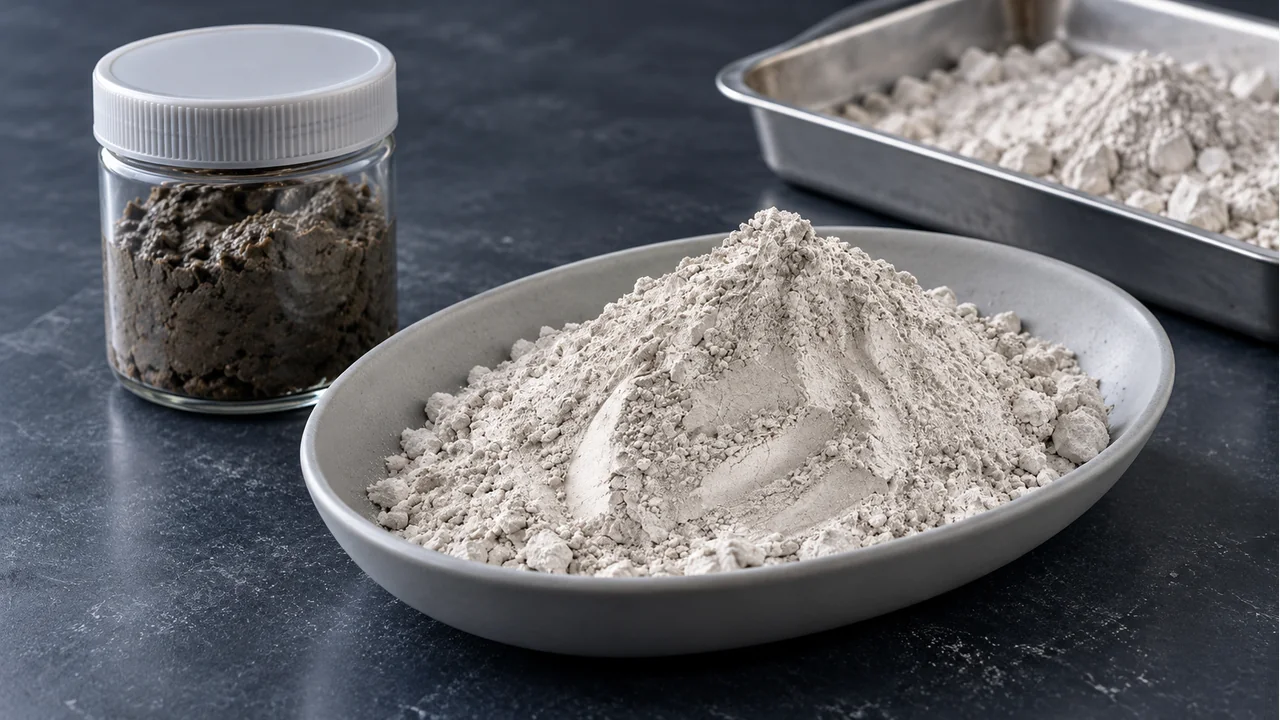
A Factory Proposal for Your Application
Relia manufactures calcium oxide materials in China through its own factories.
Our sludge-treatment enquiry should include the sludge description, intended conditioning duty and the acceptance method. Give us the current lime specification and the result that must be retained. The proposed grade's chemical and reactivity information should remain separate from any claim about the treated sludge or project outcome.
Project
Conditioning or stabilisation target
Sludge
Relevant feed and condition
Lime
Available CaO and reactivity
Acceptance
Project method and limits
The Project Acceptance
The sludge-related CaO entries include 75–80%, 90–95% and 93–95% descriptions. These ranges provide a starting distinction, but the actual supplied condition, reactivity and residue also matter. We use your sludge and handling brief to decide which offered grade deserves evaluation.
Conditioning or stabilisation target
Relevant feed and condition
Project method and limits
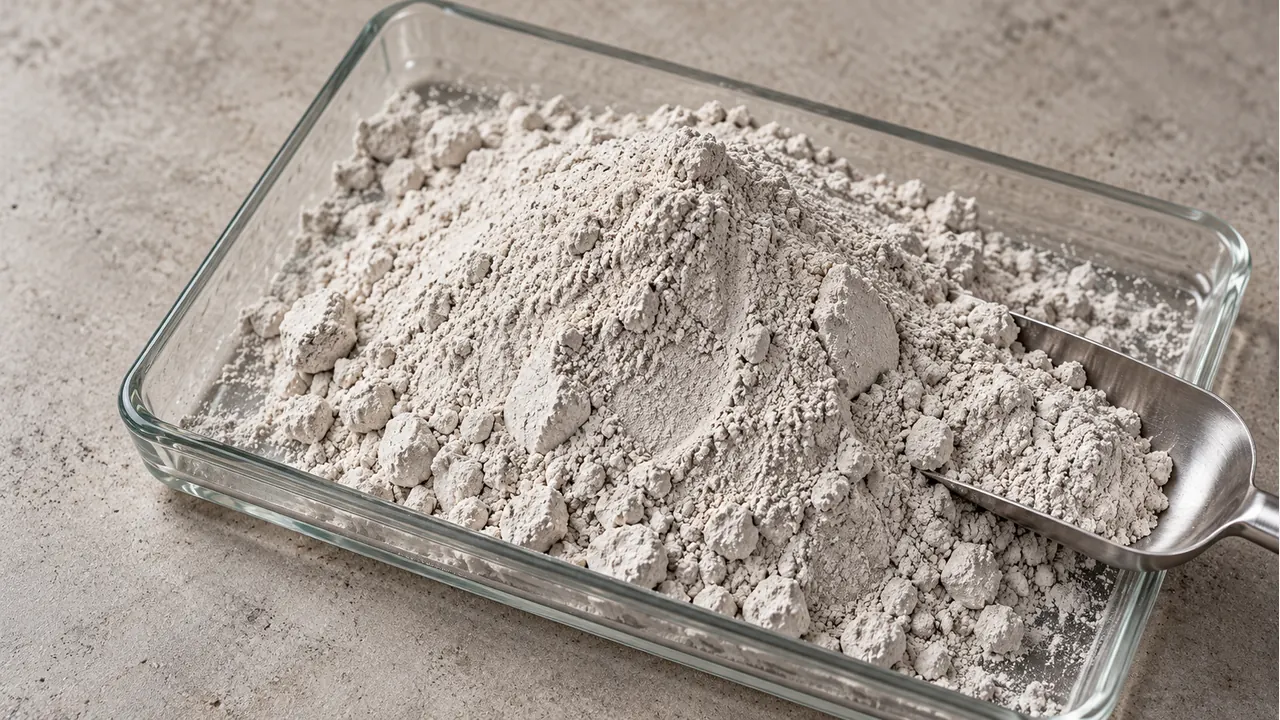
Quicklime Options for Sludge Evaluation
| Review area | Listed data and acceptance basis | Use in your selection |
|---|---|---|
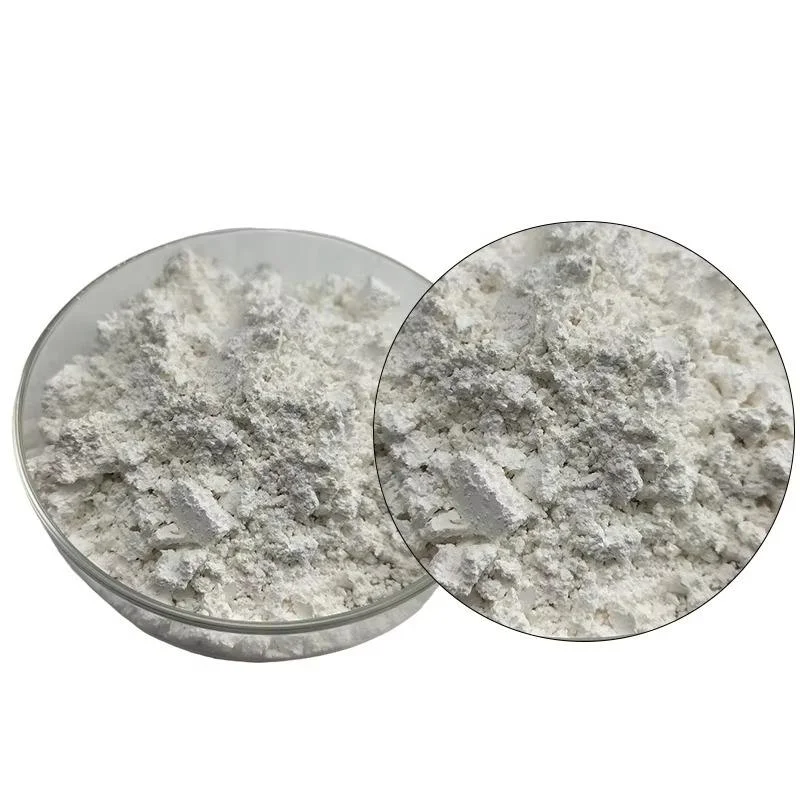
| CaO · 6609 | The title states 75–80% for sludge solidification and mortar evaluation. Confirm the offered composition and residue. | Use this item to define the candidate and the evidence needed for your application. |
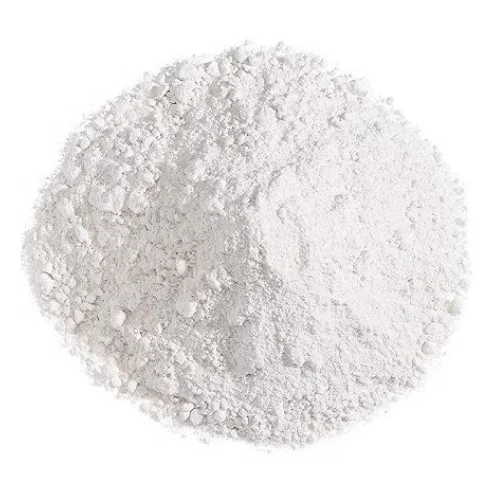
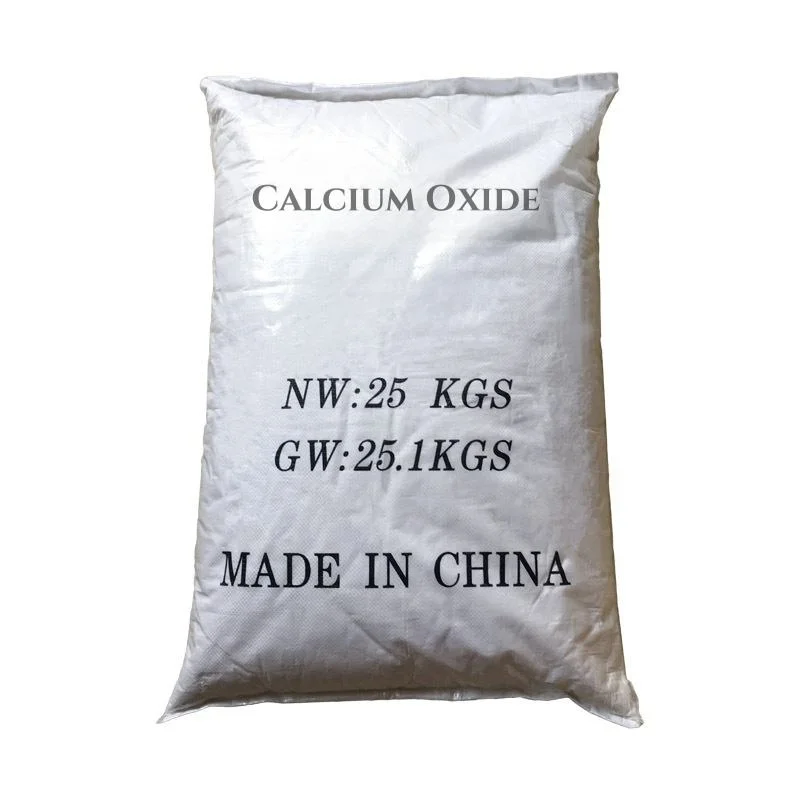
| CaO · 6610 | A 90–95% entry for wastewater and sludge conditioning. Request relevant reactivity data with the batch identity. | Keep chemical identity, assay basis and the actual offered grade in the same specification. |
| CaO · 6612 | A 93–95% industrial entry spanning several uses. A higher assay alone does not establish a sludge result. | Keep chemical identity, assay basis and the actual offered grade in the same specification. |
| Sludge acceptance | Define the sludge characteristics, process scope and required handling or finished-material criteria under the plant's evaluation. | Use your required finished-product result as the acceptance point for the candidate. |
Relevant Grades for Your Shortlist
Use these listed candidates to start a grade-specific discussion with us.
A Sludge-Specific Evaluation
Compare the defined grade proposals against the actual sludge under the responsible plant team's controlled procedure. Record relevant handling, residue and accepted treatment outcomes. The purchase decision needs this application evidence and actual supply terms, rather than a ranking based only on CaO assay.
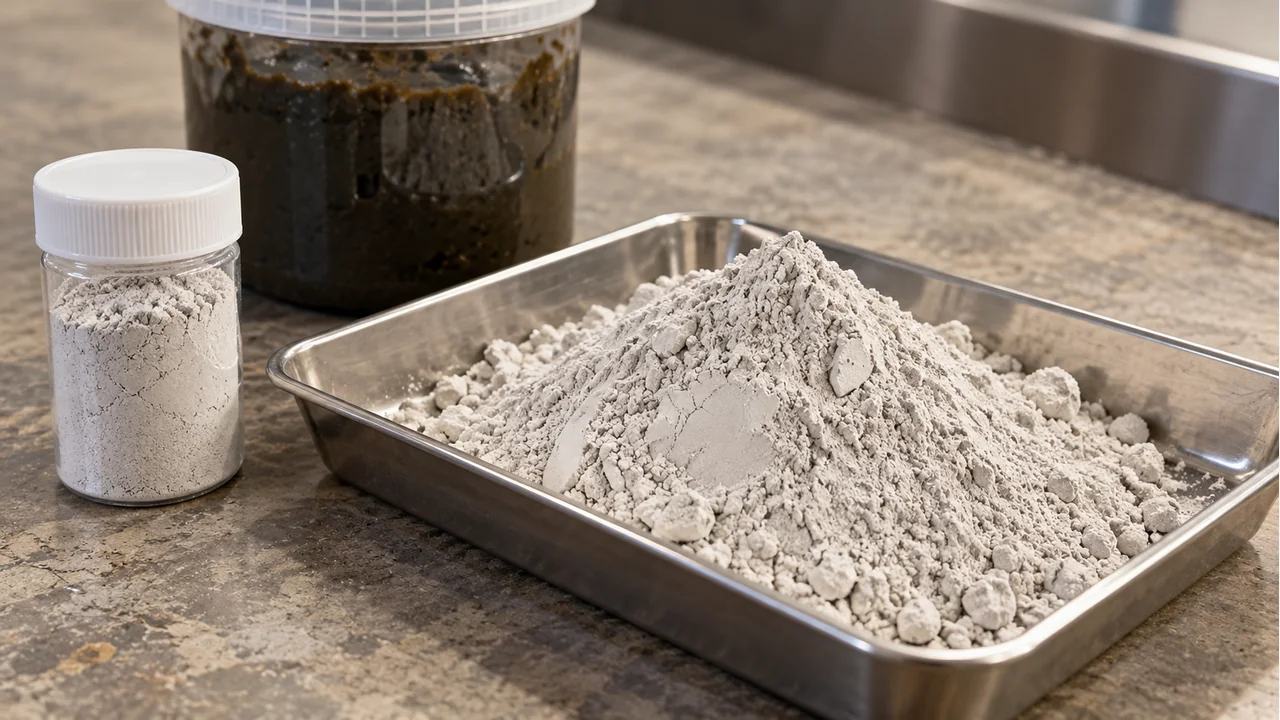
Total CaO
Does not establish available content.
Different sludge
Can change the result.
Unmeasured results
Stay outside the supply claim.
Calcination, Size Control and Supplied Condition
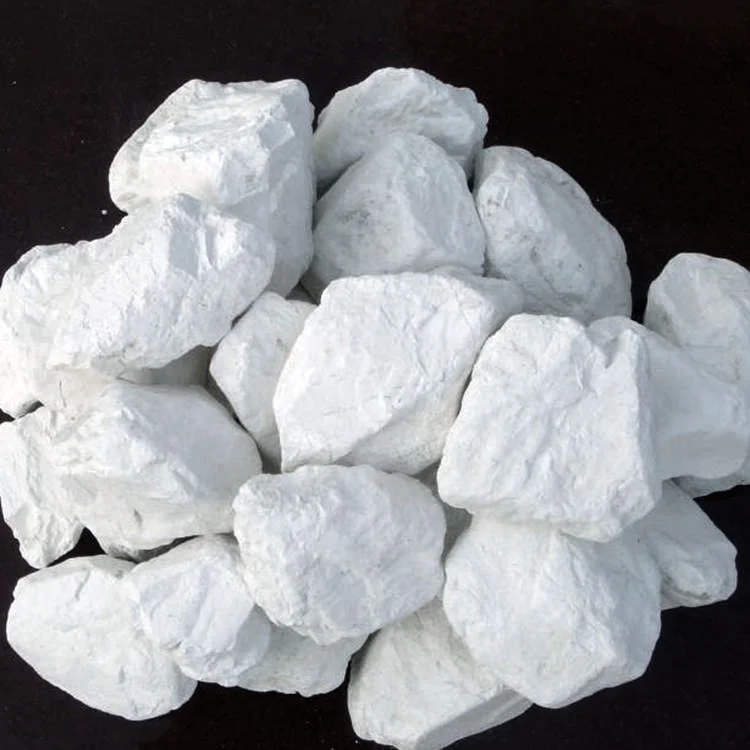
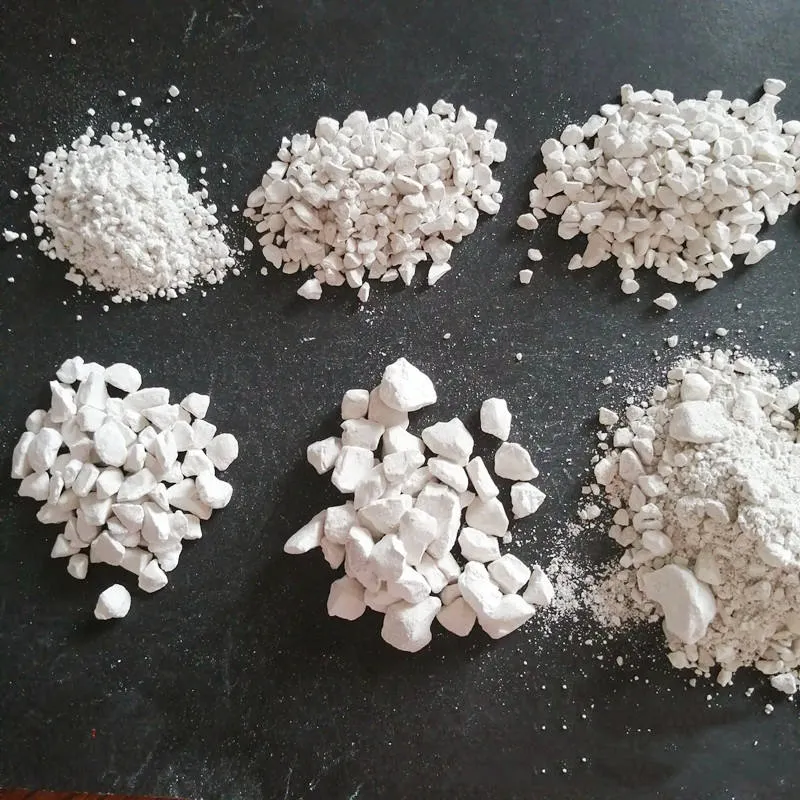
Stone preparation and kiln treatment influence quicklime formation, while size reduction and storage affect the material delivered to your preparation system. Total chemical CaO and the available reactive fraction are different comparison concepts. Connect the offered method and grade condition with the same-sludge trial, keeping preparation and measurement conditions visible.
Select the carbonate feed
The starting limestone chemistry is relevant to the quicklime composition and associated impurities.
Convert to quicklime
Calcination decomposes the carbonate and creates CaO; the actual kiln and operating details belong to the production source.
Prepare the required form
Size reduction, screening and separation determine the material presented to the buyer's preparation system.
Protect the delivered condition
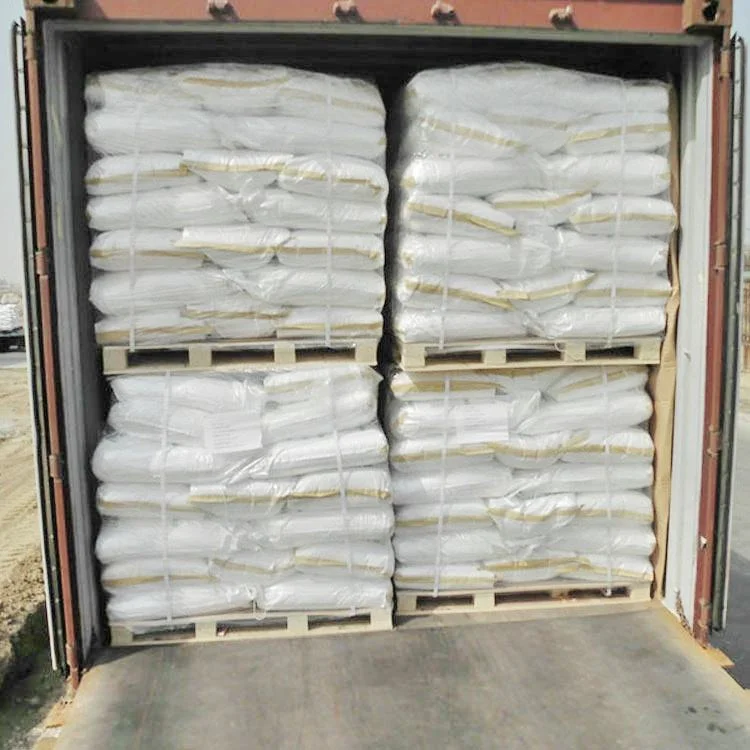
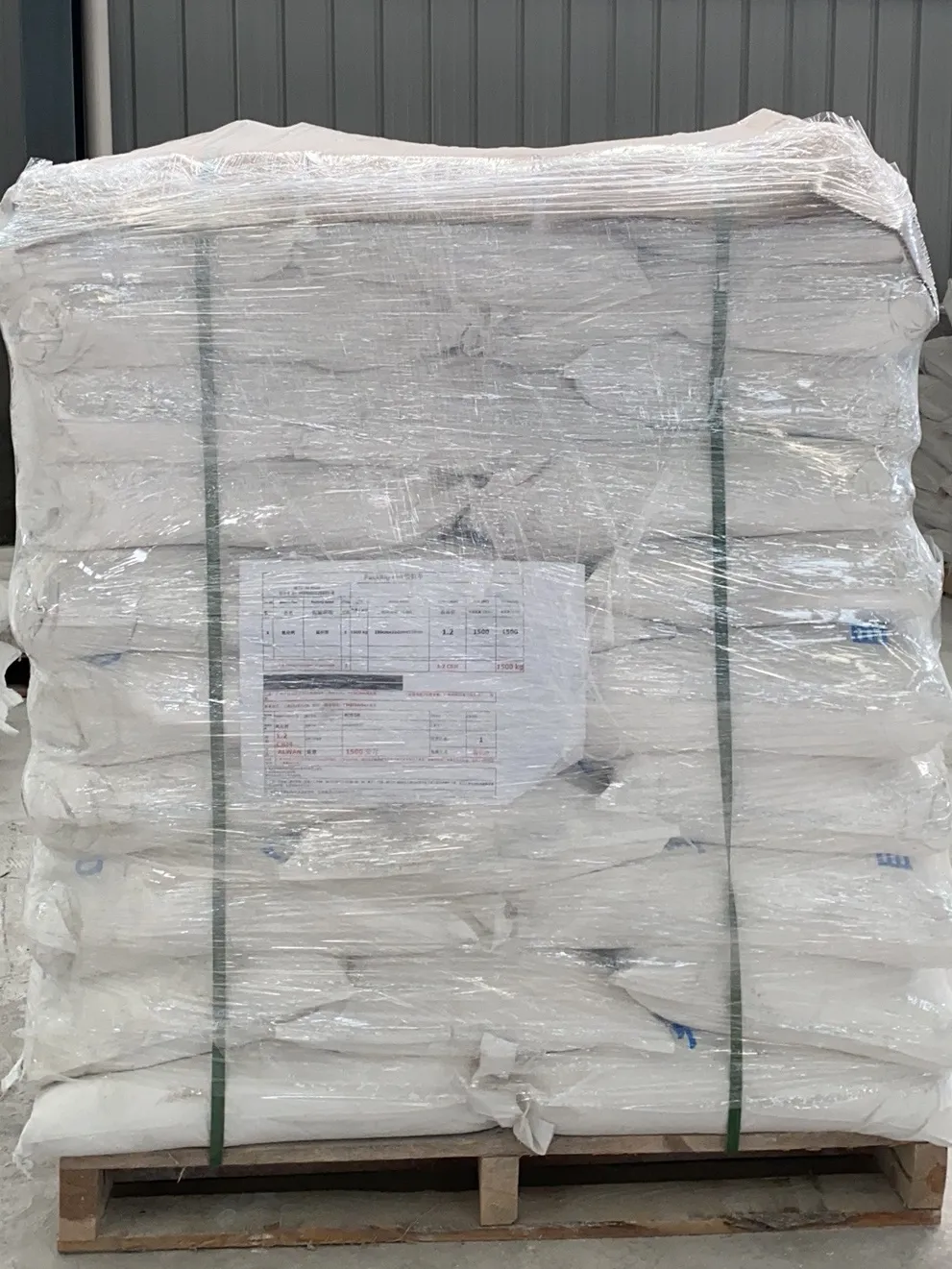
Packing and handling need to account for changes caused by moisture or carbon dioxide exposure.
- Composition
- Total CaO and an available-content or reactivity test need separate definitions.
- Physical condition
- Retain the proposed size, moisture condition and relevant residue data.
- Application
- Connect those measurements with a trial representing the intended equipment and duty.
A Purchase File for the Project
Keep the accepted sludge trial, raw-material analysis and grade identity together. We discuss supply against that record. A change in sludge, equipment or material condition gives the review a clear trigger.
Choose the Next Useful Guide
If you buy lime for acidic wastewater, decide between quicklime and hydrated lime with your preparation and dosing equipment in view.
If you source hydrated lime for flue-gas treatment, match the sorbent to the duty and equipment your plant actually has.
If a promising sample needs to become a repeat purchase, make the approval record as clear as the trial result.
Start with Your Material Brief
Send us the details below to review a concrete grade proposal and the next evaluation step.
- Application and process
- Project: Conditioning or stabilisation target
- Material and grade
- Your current grade or one of the relevant product links above.
- Important requirements
- Sludge: Relevant feed and condition; Acceptance: Project method and limits
- Purchase scope
- Trial or order quantity, preferred package and destination.
Qingdao Relia Industries Co., Ltd. · China manufacturing of industrial minerals, chemicals and the listed packaging products.
10 / 11Speak with Our Materials Team
Qingdao Relia Industries Co., Ltd.
Tell Relia the material, application, required grade, quantity and destination. Include the product link or the key limits you already use, so the next conversation starts with a concrete proposal.
Phone
+86 18561762631Call to discuss your enquiry.Qingdao contact address
Shuyuan Road, Qingdao,Shandong, ChinaQingdao contact address for the company.