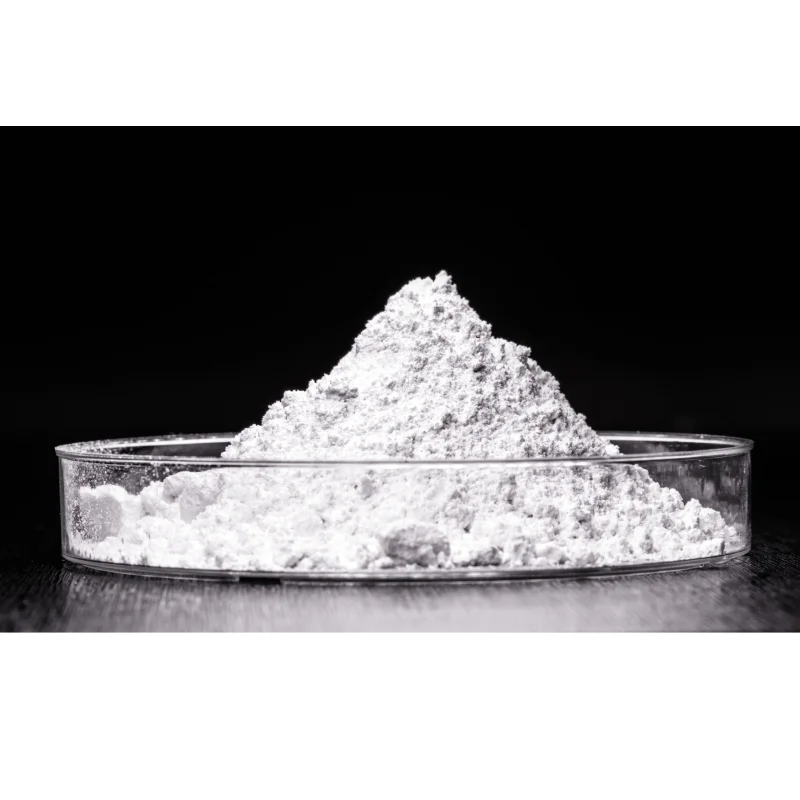
Barium Carbonate for Brick Efflorescence Trials
If brick efflorescence has led you to consider barium carbonate, identify the salts and firing context behind the defect first.
Relia's BaCO3 candidates can be reviewed for identity, particle characteristics and the proposed grade specification.
- Diagnosis
- Relevant salts and feed information
- Material
- BaCO3 identity and particles
- Result
- Your brick acceptance criteria
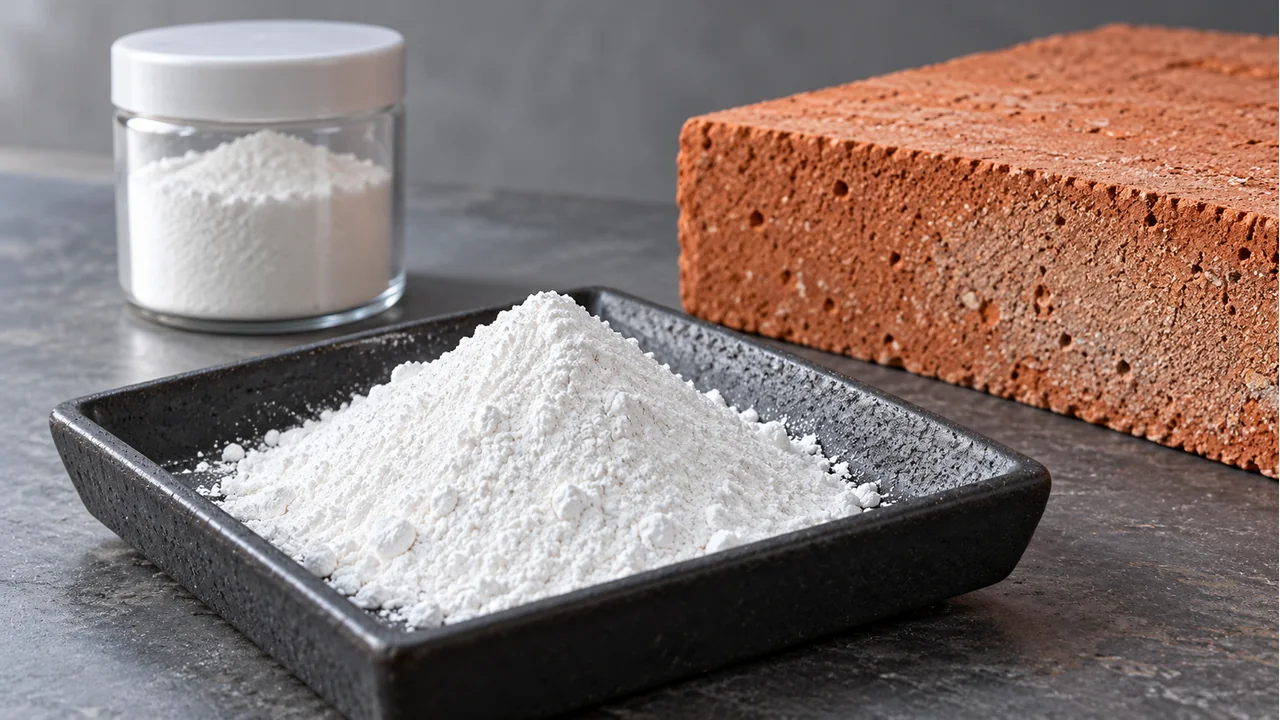
From Your Requirement to a Defined Grade
Relia manufactures the listed industrial carbonate materials in China through its own factories.
We can review the barium carbonate enquiry with your raw clay, relevant salt analysis and firing process. Give us the reference material and the acceptance criteria for the brick. The candidate proposal should define the actual powder and required documents before your ceramic team evaluates its effect in a controlled comparison.
Diagnosis
Relevant salts and feed information
Material
BaCO3 identity and particles
Process
Preparation and firing conditions
Result
Your brick acceptance criteria
The Brick-Material Task
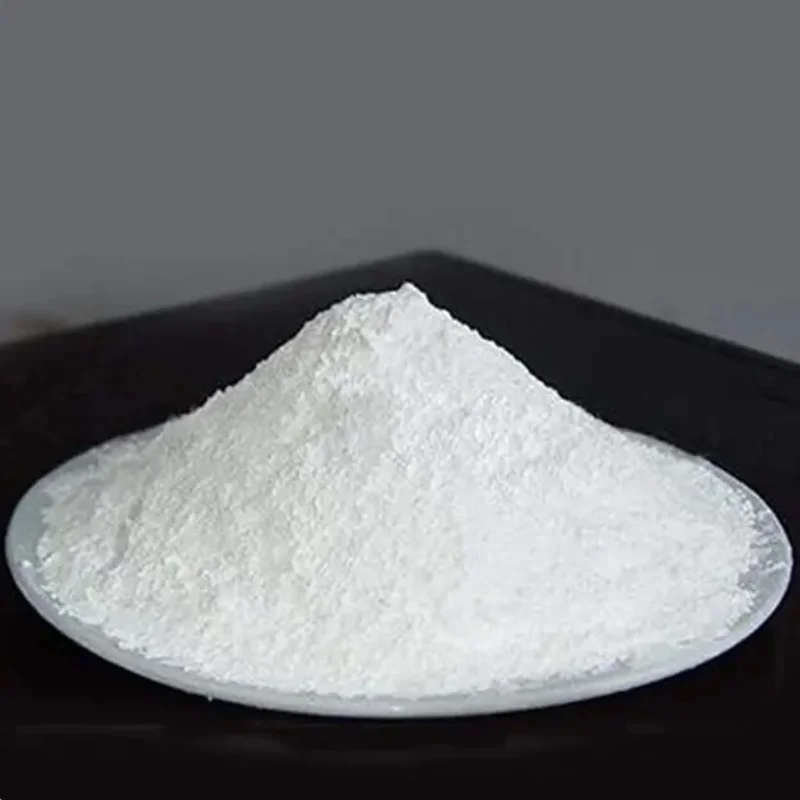
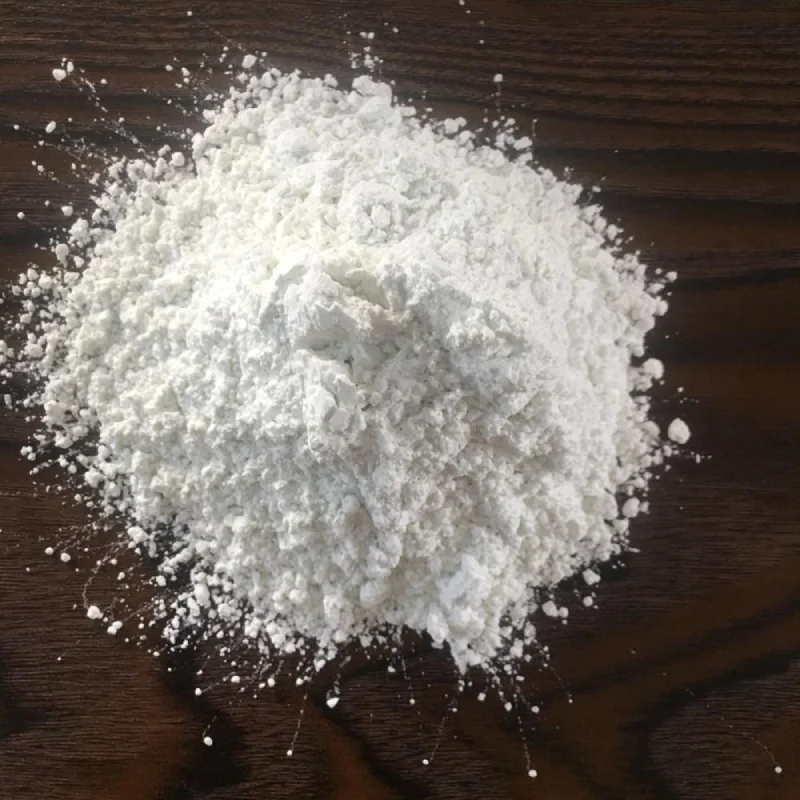
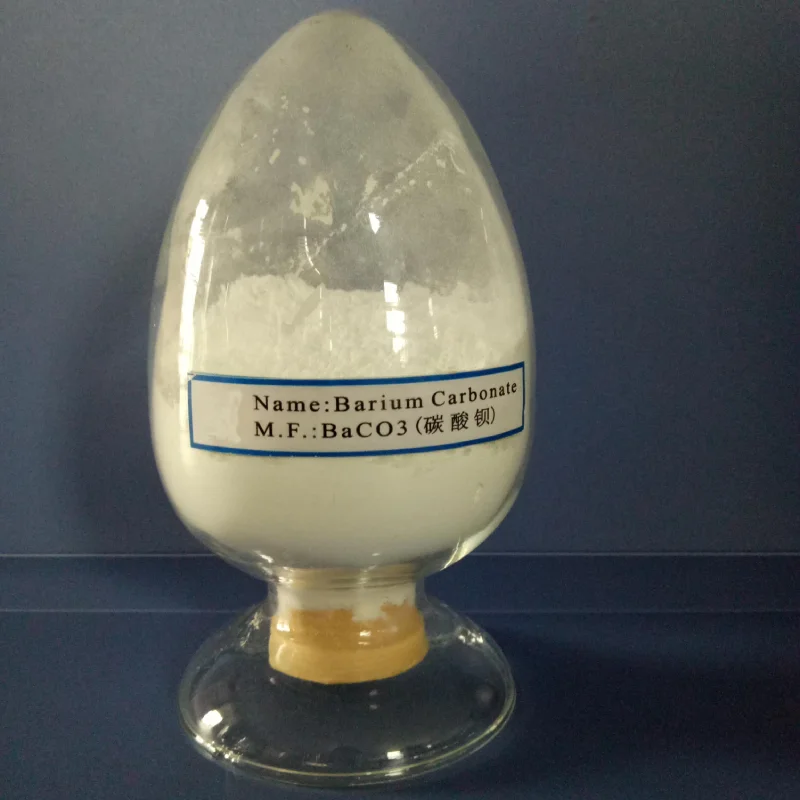
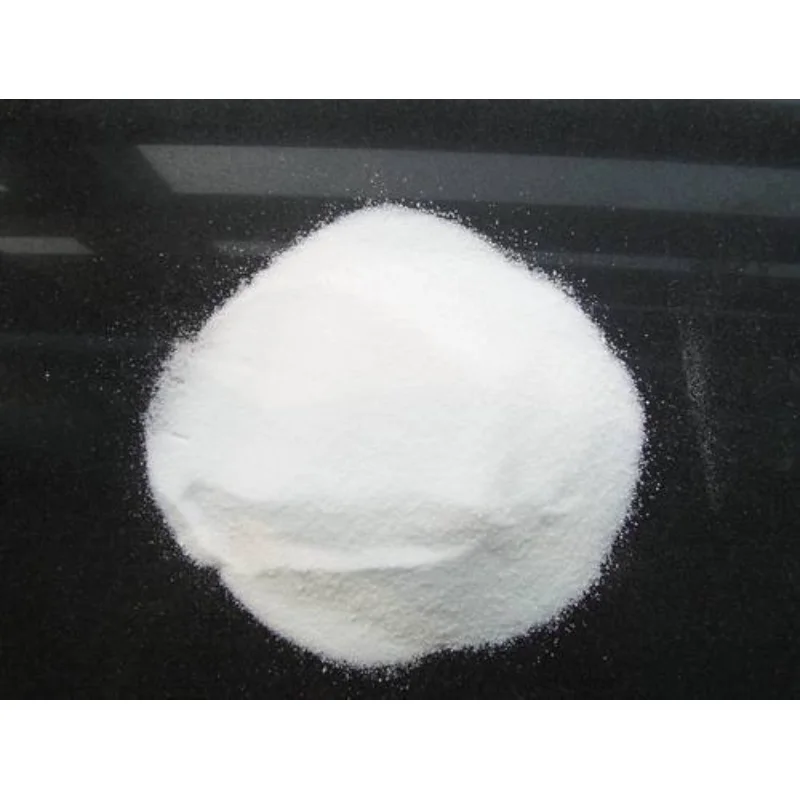
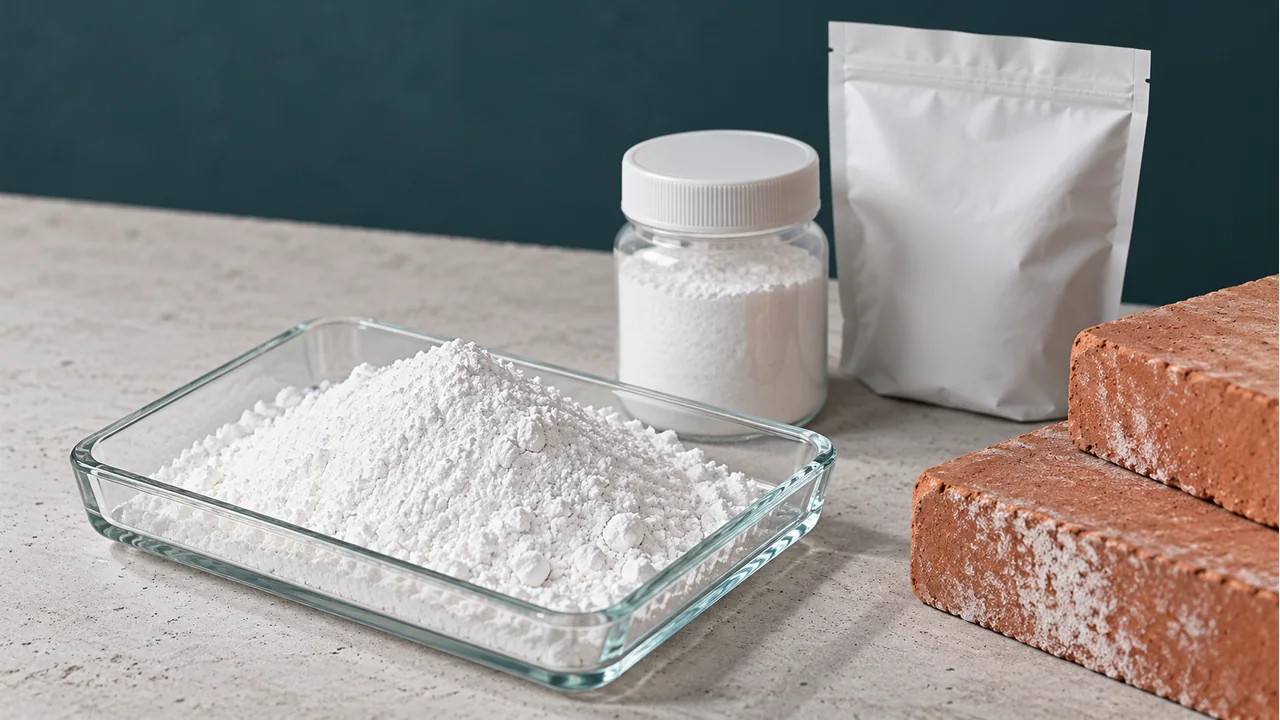
Our brick and ceramic BaCO3 entries are white powders with 99.0% purity and 325 mesh listed. Those facts identify starting candidates; they do not diagnose the cause of a surface deposit. We discuss the raw feed and relevant salts before connecting a proposed carbonate grade to your controlled brick trial.
Relevant salts and feed information
BaCO3 identity and particles
Your brick acceptance criteria
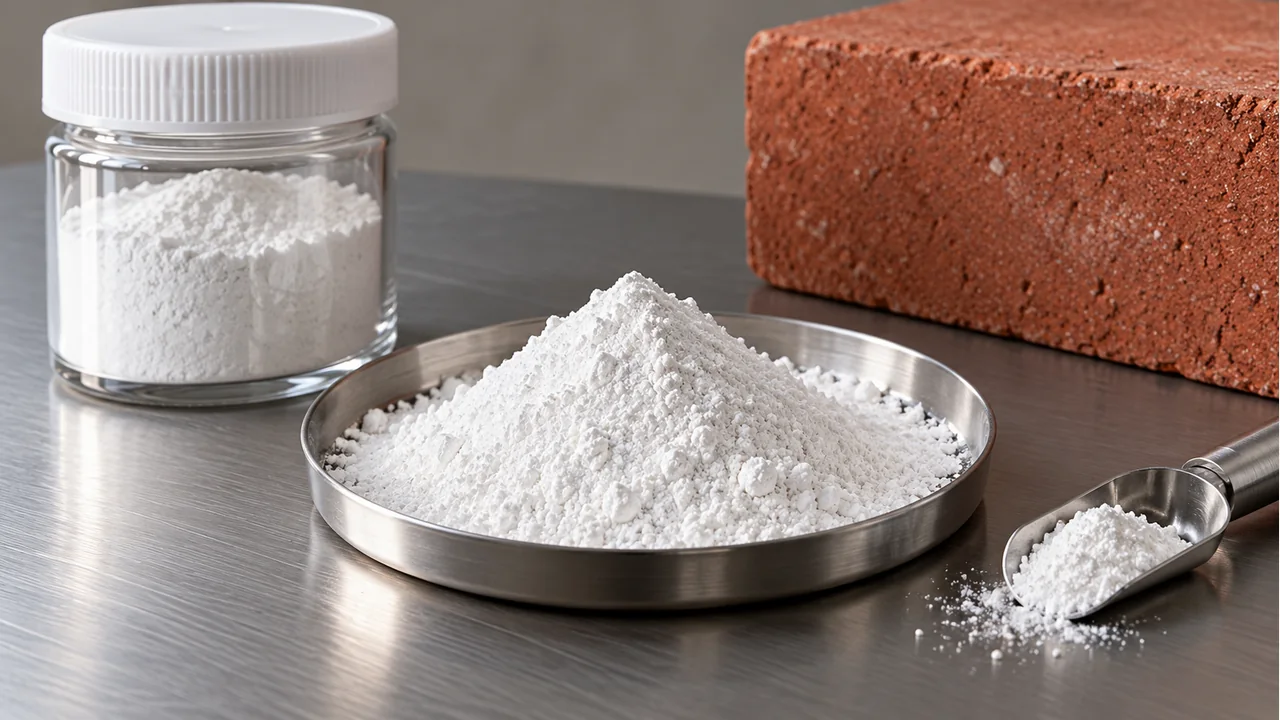
Barium Carbonate for a Diagnosed Brick-Material Task
| Review area | Listed data and acceptance basis | Use in your selection |
|---|---|---|
| Brick entry · 6039 | The listing states 99.0% purity and 325 mesh for brick, tile and ceramic-body trials. | Use the same particle measurement basis, then review dispersion and the result in your process. |
| Glaze entry · 6043 | Also listed at 99.0% and 325 mesh. Confirm the actual offered grade rather than infer equal impurity profiles. | Use the same particle measurement basis, then review dispersion and the result in your process. |
| Feed context | Provide the raw-material and relevant salt information behind the observed efflorescence issue. | Use this item to define the candidate and the evidence needed for your application. |
| Trial scope | Agree the material identity, preparation, firing and finished-brick acceptance under your responsible process team. | Keep chemical identity, assay basis and the actual offered grade in the same specification. |
Compare the Product Candidates
Use these listed candidates to start a grade-specific discussion with us.
A Process-Specific Trial
Your team should define the relevant material and process comparison after establishing the issue being investigated. Record the BaCO3 grade, raw feed and firing conditions with the required brick results. We keep material supply separate from an unsupported promise that one powder will eliminate every similar-looking deposit.
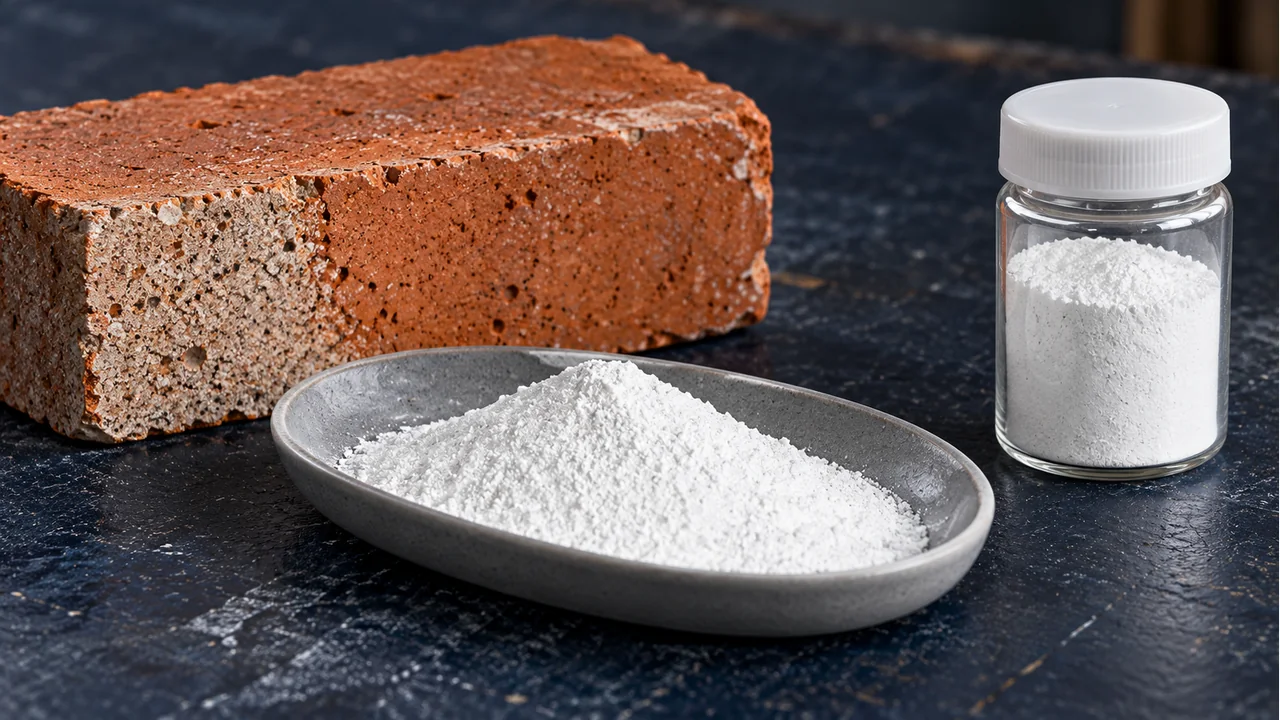
Appearance only
Does not establish the cause.
Purity alone
Does not predict the trial.
Changed feed
May change the qualification.
Carbonate Precipitation and Powder Finishing
For a precipitated carbonate, particle formation, washing and finishing affect the powder delivered to the body mix. Fine distribution through the batch is a different issue from the chemical assay on a product sheet. Keep the offered particle specification with the mixing and firing record when evaluating the intended salt-control function.
Identify the required carbonate
Barium and strontium compounds need distinct chemical and impurity specifications.
Form the carbonate
A precipitation route creates the powder from a suitable source chemistry; the exact route must be identified for the offer.
Separate and wash
Separation and washing influence the solution residues carried with the solid.
Finish the physical grade
Drying and size finishing affect the supplied powder and the comparison in the buyer's process.
- Assay
- Use the actual carbonate analysis for the proposed material.
- Impurities
- Define relevant soluble salts and other limits separately.
- Process fit
- Connect particle data with the actual ceramic or ferrite preparation and firing record.
A Purchase File with Context
Retain the accepted trial, grade identity and relevant safety information in the procurement file. We discuss supply against that proposal. Changes to feed salts or firing conditions deserve a new review.
Continue Your Material Selection
If you source carbonate raw materials for ferrite production, barium carbonate and strontium carbonate are separate chemical proposals.
If you buy wollastonite for ceramics, start with batch chemistry and the fired body or glaze you need.
If a promising sample needs to become a repeat purchase, make the approval record as clear as the trial result.
Start with Your Material Brief
Send us the details below to review a concrete grade proposal and the next evaluation step.
- Application and process
- Diagnosis: Relevant salts and feed information
- Material and grade
- Your current grade or one of the relevant product links above.
- Important requirements
- Material: BaCO3 identity and particles; Result: Your brick acceptance criteria
- Purchase scope
- Trial or order quantity, preferred package and destination.
Qingdao Relia Industries Co., Ltd. · China manufacturing of industrial minerals, chemicals and the listed packaging products.
10 / 11Speak with Our Materials Team
Qingdao Relia Industries Co., Ltd.
Tell Relia the material, application, required grade, quantity and destination. Include the product link or the key limits you already use, so the next conversation starts with a concrete proposal.
Phone
+86 18561762631Call to discuss your enquiry.Qingdao contact address
Shuyuan Road, Qingdao,Shandong, ChinaQingdao contact address for the company.