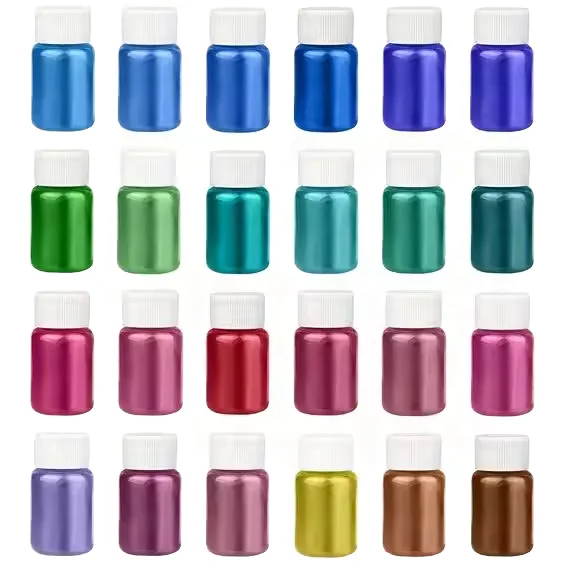
Mica-Based Effect Pigments for Coatings and Inks
If you are buying a mica-based effect pigment, begin with the finish your coating or ink must produce.
Relia's listed candidates can be reviewed against a visual reference, substrate and application method.
- Effect
- Visual reference and background
- Structure
- Actual pigment identity
- Application
- Binder, substrate and viewing conditions
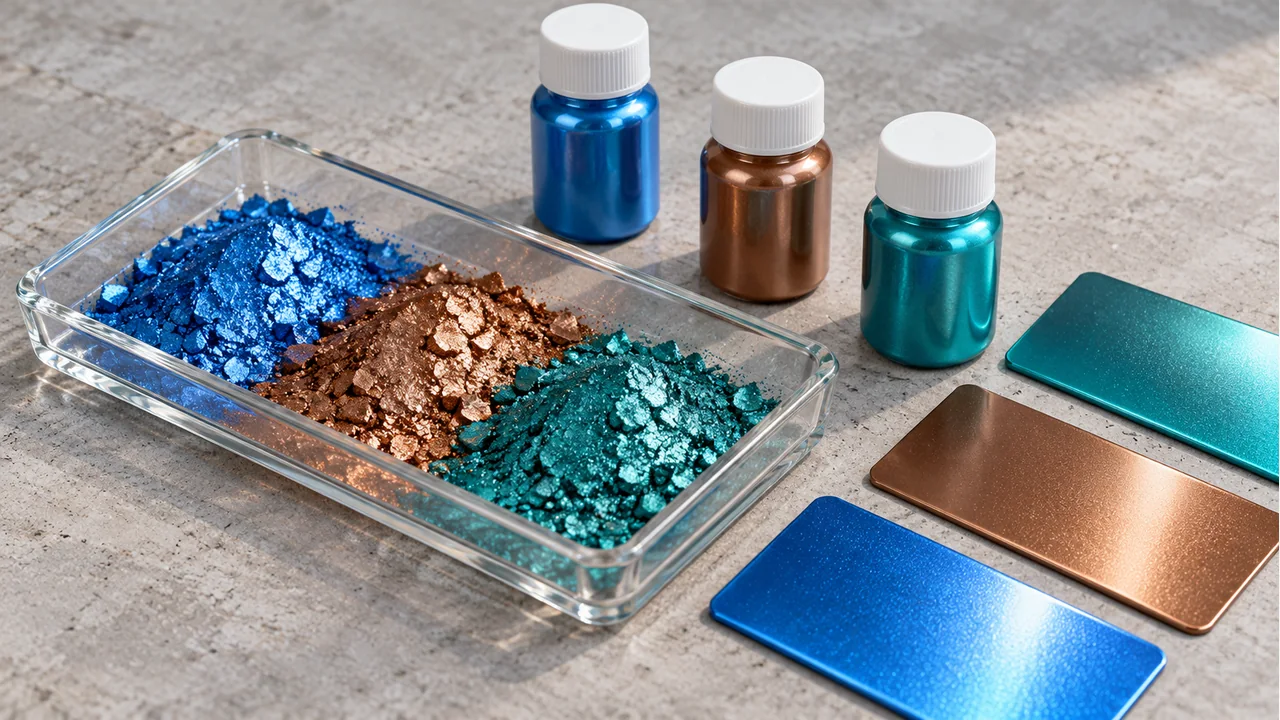
From Your Requirement to a Defined Grade
Relia manufactures mica-based industrial pigment materials in China through its own factories.
Our effect-pigment enquiry should describe the actual colour effect and viewing conditions you want. Give us a visual reference, binder and application method. The candidate proposal should identify its substrate and declared effect-coating structure, with a physical sample used to review the appearance in your own system.
Effect
Visual reference and background
Structure
Actual pigment identity
Flakes
Size and distribution basis
Application
Binder, substrate and viewing conditions
A Defined Visual Reference
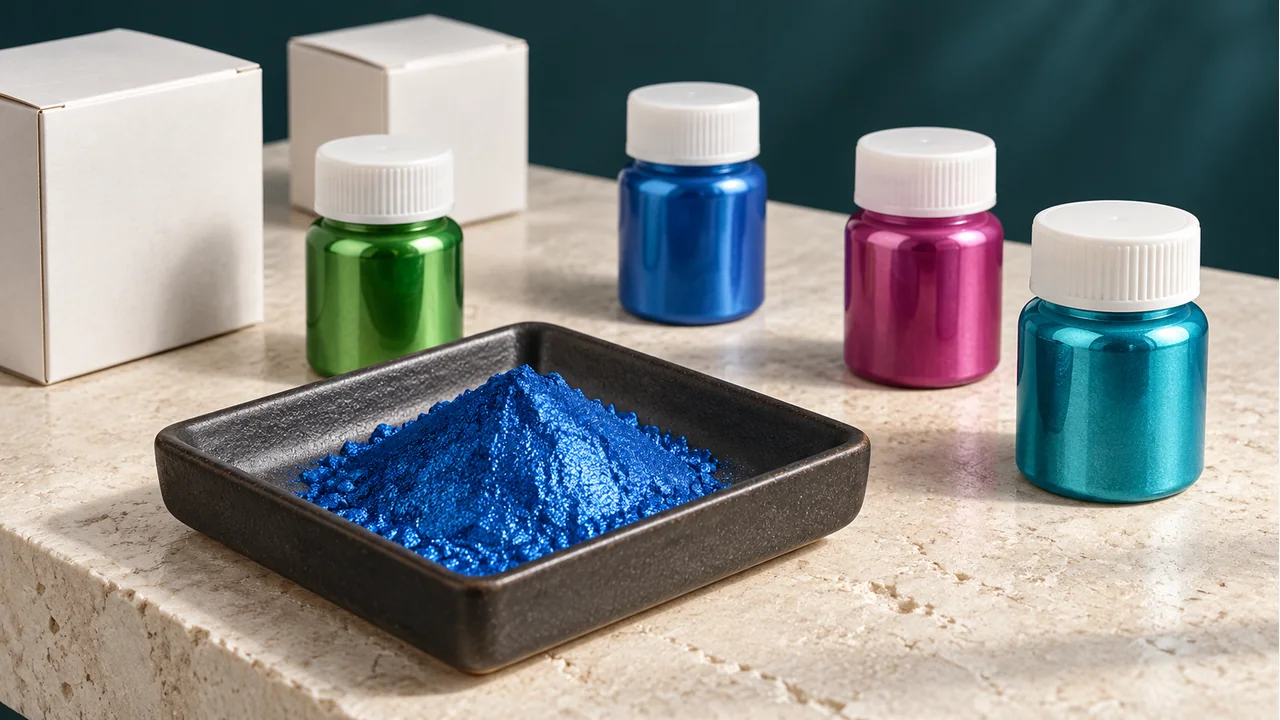
Our mica-related entries describe fine pigment powders, including a mica/TiO2 composite route. They do not establish the flake distribution, exact interference colour or final visual effect. A supplied swatch and the actual binder give us a much clearer starting point for choosing a candidate.
Visual reference and background
Actual pigment identity
Binder, substrate and viewing conditions
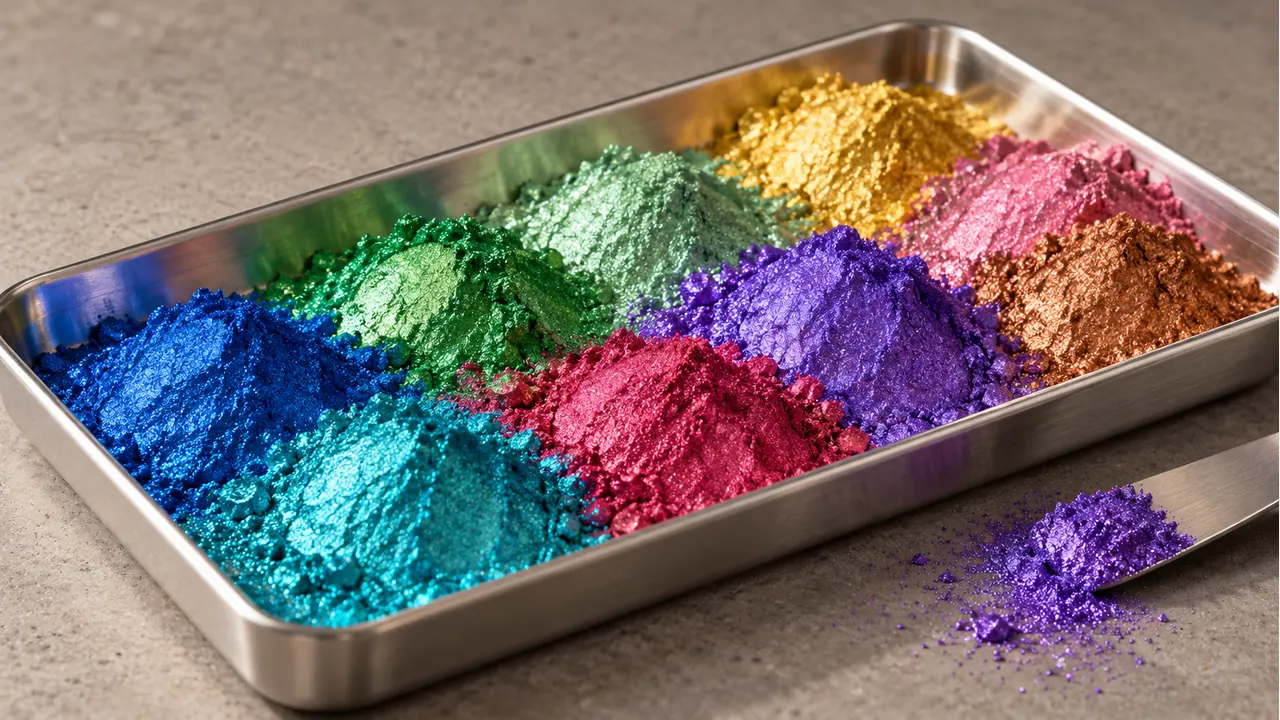
Mica-Based Candidates for a Defined Effect
| Review area | Listed data and acceptance basis | Use in your selection |
|---|---|---|
| Mica pigment · 5951 | The entry describes a fine powder for shimmer, glitter and pearl-effect evaluation. Request the actual flake-size information. | Use this item to define the candidate and the evidence needed for your application. |
| Mica/TiO2 composite · 5915 | A separate composite-pigment entry. Confirm structure and treatment instead of substituting an ordinary mica specification. | Use this item to define the candidate and the evidence needed for your application. |
| Visual reference | Use a defined substrate, background colour, applied amount and viewing condition for the target finish. | Match the stated measurement method and compare the appearance in your finished material. |
| Dispersion review | Agree a mixing approach suitable for the proposed flakes and compare the resulting appearance, not only the loose powder. | Use this item to define the candidate and the evidence needed for your application. |
Compare the Product Candidates
Use these listed candidates to start a grade-specific discussion with us.
Appearance in Your Binder
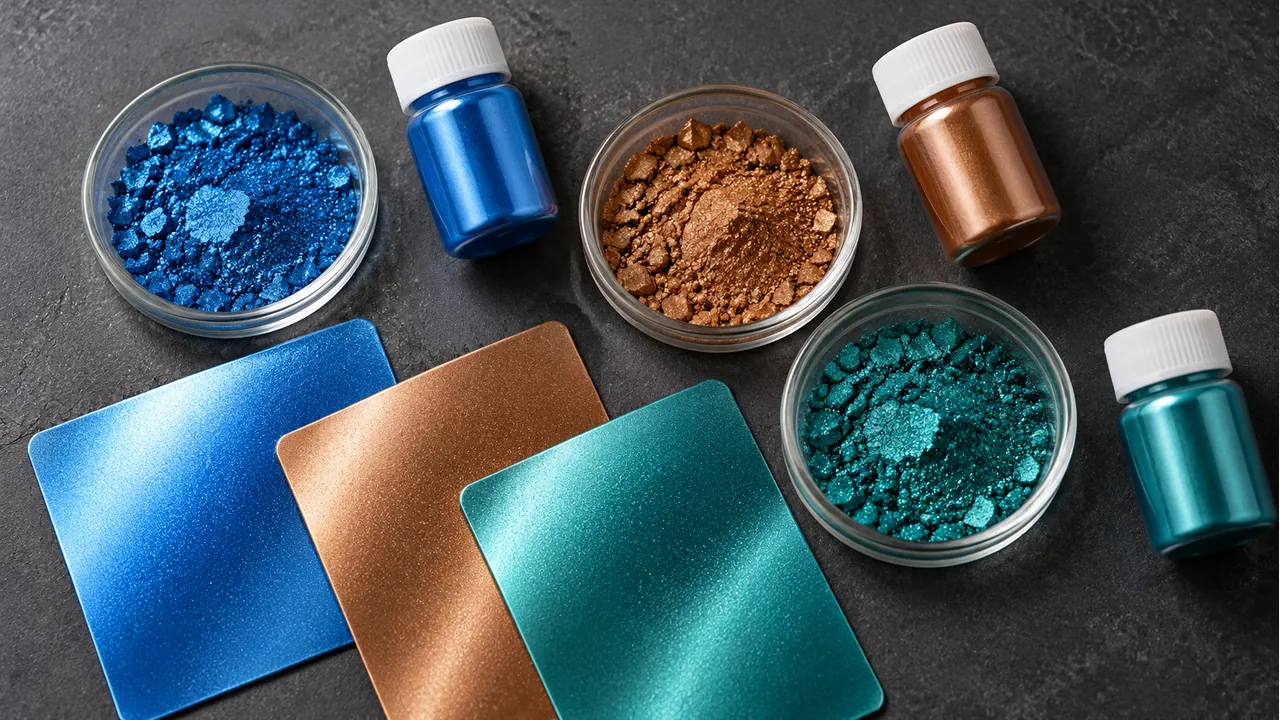
Prepare the visual comparison in the intended binder over the intended background. Keep film or print thickness and viewing conditions consistent. Retain the approved swatch with its pigment identity so a later reorder can be assessed against the same appearance reference.
Mica naming
Does not define the whole effect.
Photographs
Do not replace a finished reference.
Changes
Review the relevant appearance window.
Platelet Preparation and Optical-Layer Finishing
Mica-based interference pigments commonly use a platelet substrate with deposited optical layers, followed by suitable finishing. Layer structure creates a different optical task from an ordinary filler, while flake damage and orientation can change the appearance seen after processing. Compare the offered pigment structure and a gently prepared application sample without assuming all mica powders create the same effect.
Define the substrate
Identify the mica or other platelet substrate actually declared for the proposed effect pigment.
Form the optical coating
Controlled deposition of appropriate oxide layers creates an optical structure distinct from an ordinary mineral filler.
Finish the pigment
Heat treatment and subsequent finishing depend on the selected pigment structure and grade.
Preserve and orient the flakes
The application process must be evaluated for flake condition and the appearance produced in the binder.
- Structure
- Keep substrate and coating declarations with the sample.
- Physical form
- Review flake distribution without substituting an ordinary mesh-only filler description.
- Appearance
- Use matched application samples and viewing conditions to compare the proposed effect.
An Approved Appearance Reference
The accepted visual sample belongs with the pigment grade and batch reference. We discuss supply from that record. A change in dispersion, packaging or application can then be reviewed against the appearance your team approved.
Continue Your Material Selection
If you formulate white ink, treat TiO2 and barium sulfate as two raw-material decisions within one printed result.
If a high-solids coating becomes too viscous as filler loading rises, compare wetting and particle behaviour in the complete binder system.
If your coatings plant buys TiO2, barium sulfate and calcium carbonate separately, Relia offers one contact for reviewing those material enquiries together.
Start with Your Material Brief
Send us the details below to review a concrete grade proposal and the next evaluation step.
- Application and process
- Effect: Visual reference and background
- Material and grade
- Your current grade or one of the relevant product links above.
- Important requirements
- Structure: Actual pigment identity; Application: Binder, substrate and viewing conditions
- Purchase scope
- Trial or order quantity, preferred package and destination.
Qingdao Relia Industries Co., Ltd. · China manufacturing of industrial minerals, chemicals and the listed packaging products.
10 / 11Speak with Our Materials Team
Qingdao Relia Industries Co., Ltd.
Tell Relia the material, application, required grade, quantity and destination. Include the product link or the key limits you already use, so the next conversation starts with a concrete proposal.
Phone
+86 18561762631Call to discuss your enquiry.Qingdao contact address
Shuyuan Road, Qingdao,Shandong, ChinaQingdao contact address for the company.