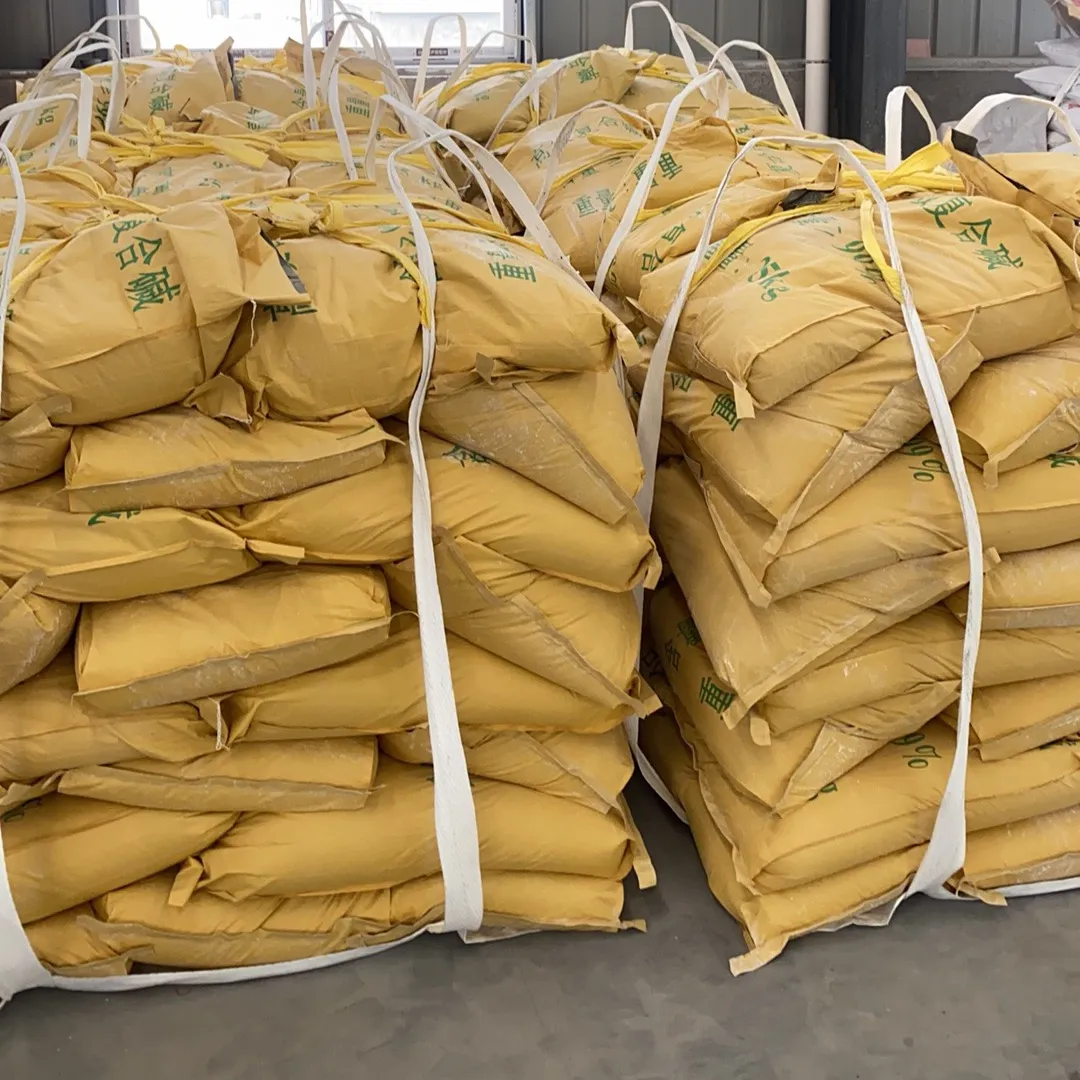
Hydrated Lime Selection for Flue-Gas Treatment
If you source hydrated lime for flue-gas treatment, match the sorbent to the duty and equipment your plant actually has.
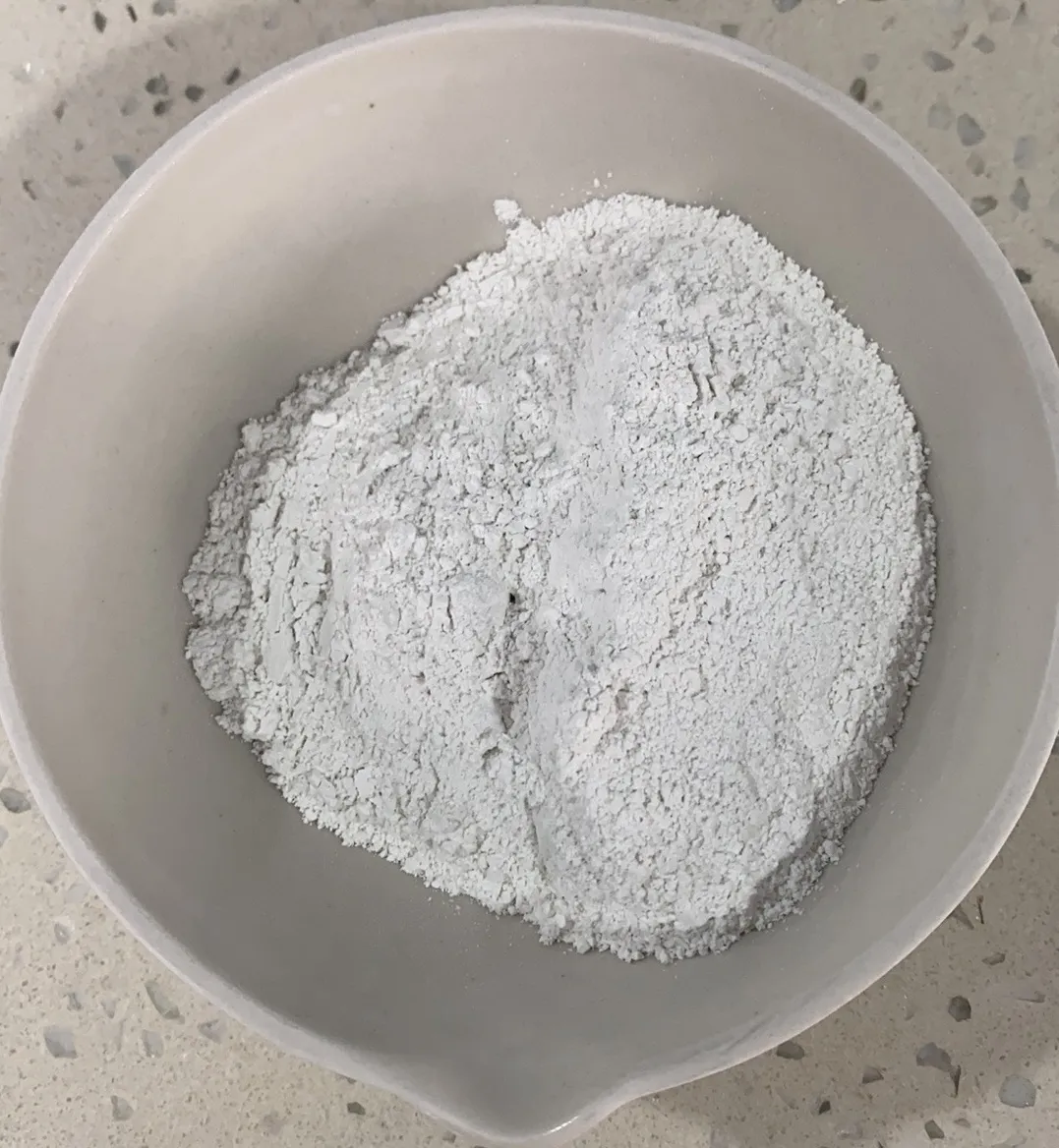
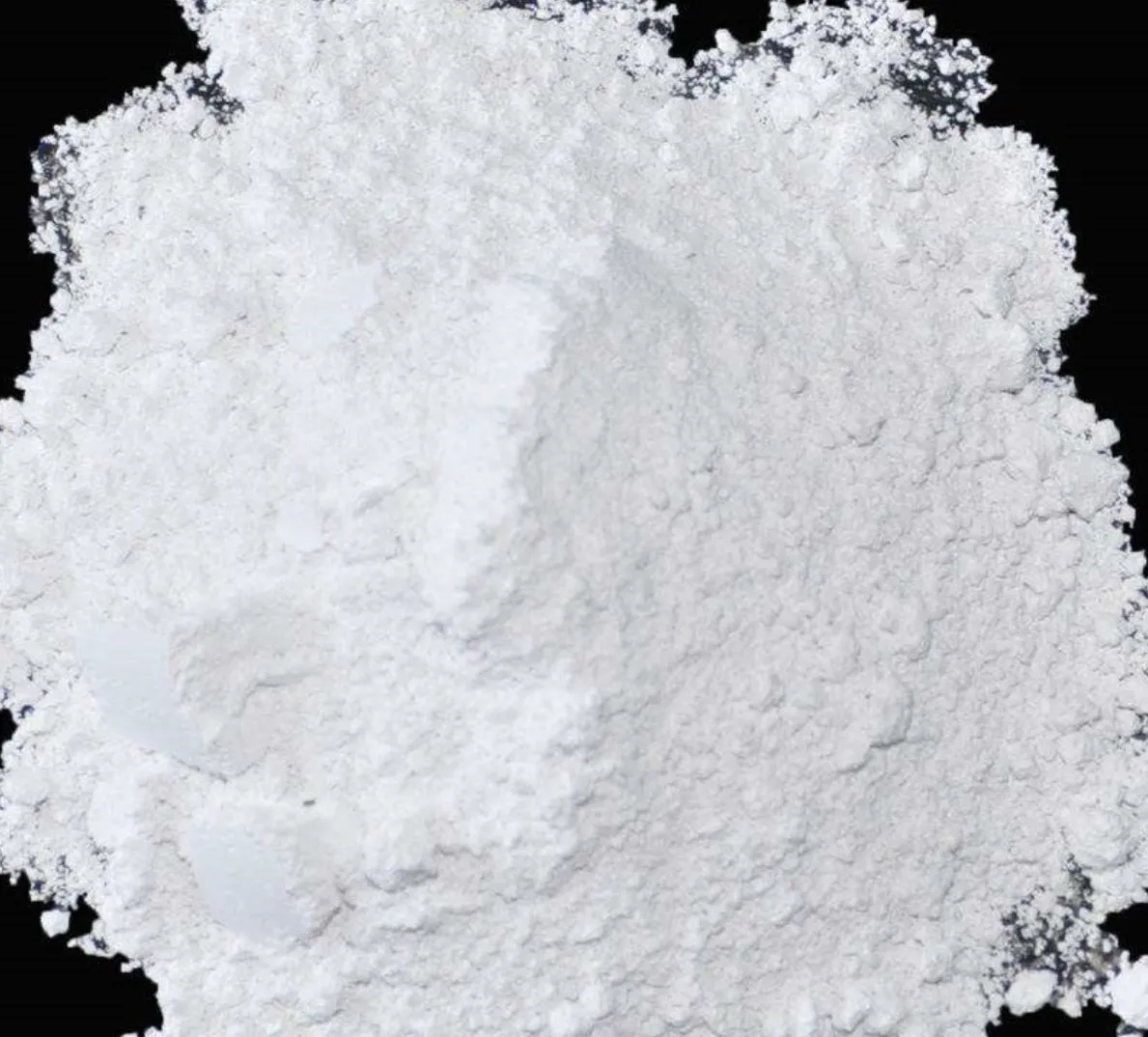
Relia's Ca(OH)2 proposals can be reviewed for fineness, relevant surface or reactivity evidence and impurities.
- Material
- Hydrated lime identity
- Powder
- Distribution and relevant impurities
- Evidence
- Reaction and plant-relevant assessment
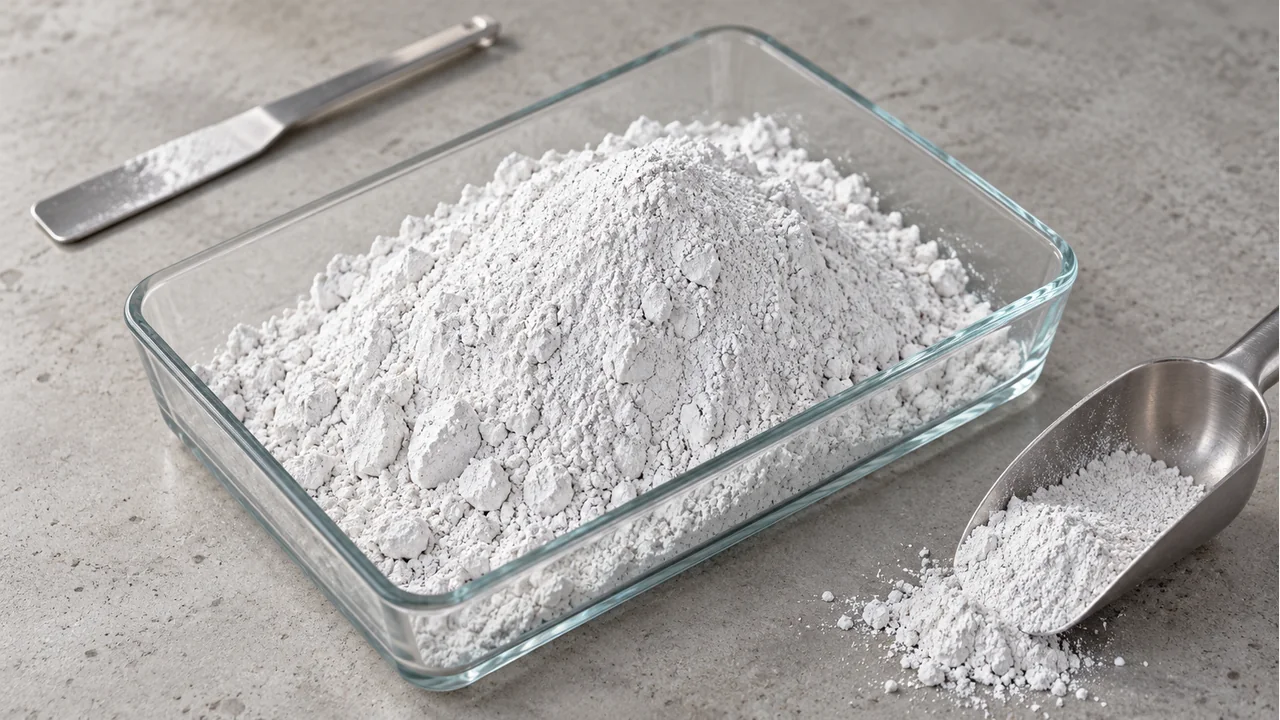
From Your Requirement to a Defined Grade
Relia manufactures quicklime and hydrated-lime materials in China through its own factories.
We can review the sorbent enquiry using your existing treatment process and gas-duty requirements. Give us the accepted reference grade and the relevant powder or performance method. The proposal should identify the hydrate and the data applicable to that grade before your plant team assesses it under its own operating conditions.
Material
Hydrated lime identity
Powder
Distribution and relevant impurities
Duty
Gas and equipment conditions
Evidence
Reaction and plant-relevant assessment
The Flue-Gas Duty
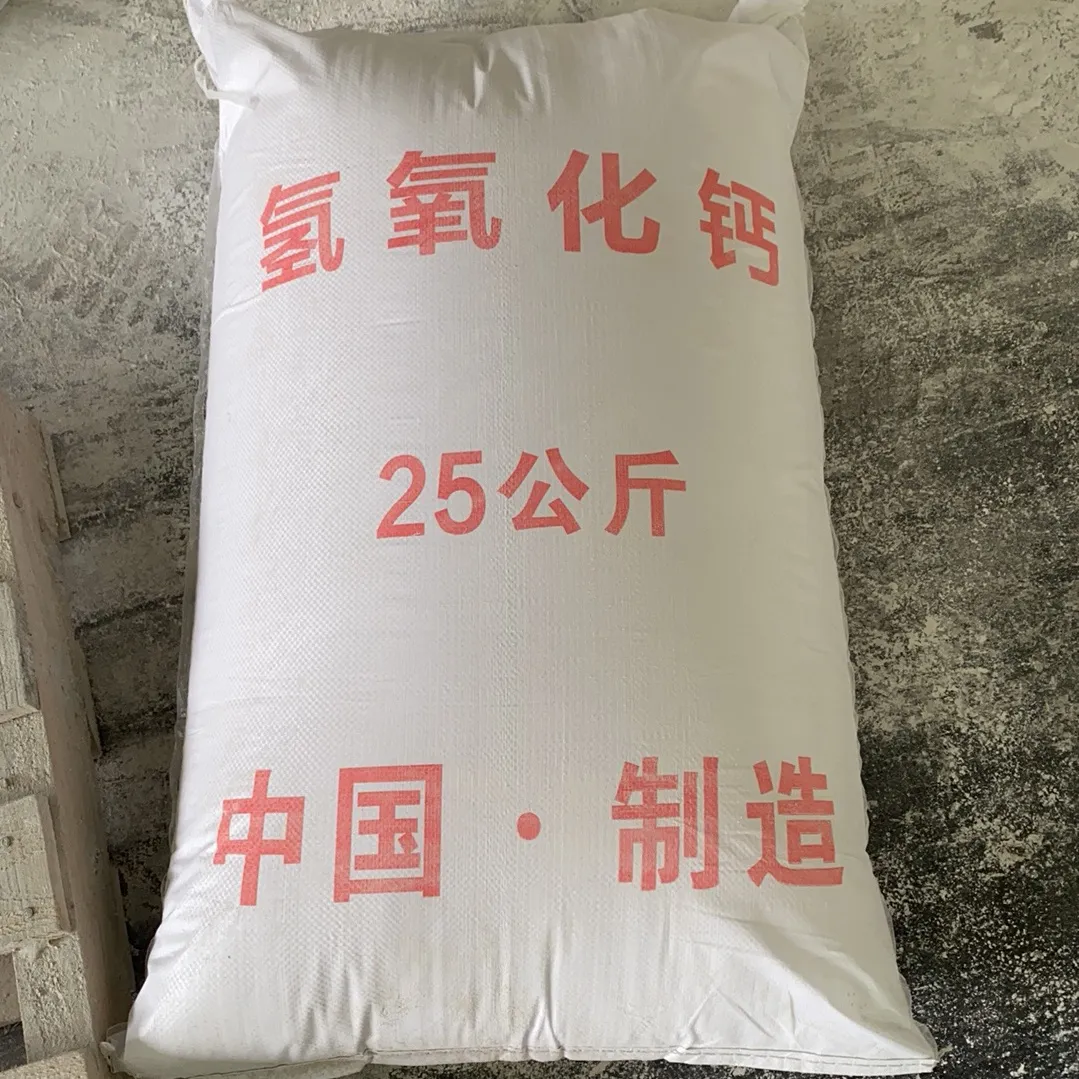
Our 90–96% calcium-hydroxide entry is positioned for waste-incineration and flue-gas enquiries. A wastewater-focused 90–94% entry is another listed material, but its use description does not qualify it for dry sorbent injection. We connect particle and surface information to the plant's actual sorbent requirements.
Hydrated lime identity
Distribution and relevant impurities
Reaction and plant-relevant assessment
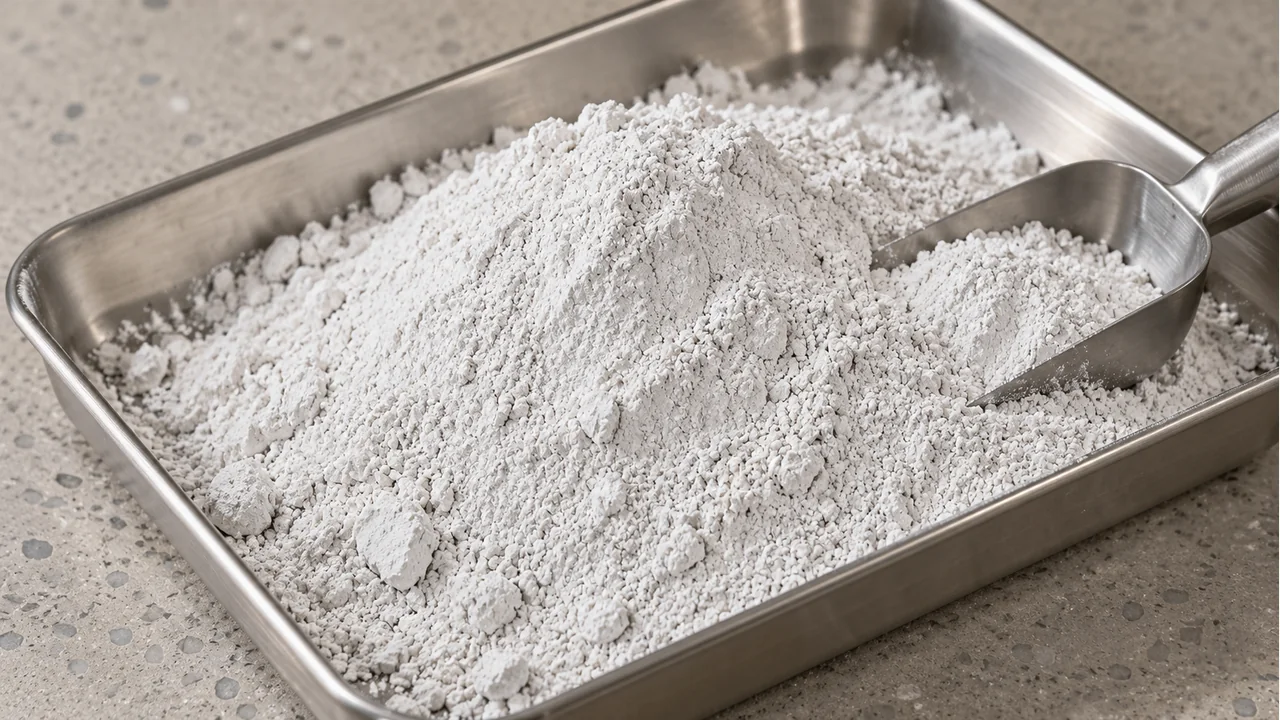
Hydrated Lime for the Actual Flue-Gas System
| Review area | Listed data and acceptance basis | Use in your selection |
|---|---|---|
| Flue-gas entry · 6621 | The title states Ca(OH)2 90–96%. Confirm the offered grade, assay and relevant physical data. | Keep chemical identity, assay basis and the actual offered grade in the same specification. |
| Wastewater entry · 6619 | The listing states 90–94%. A wastewater use description does not establish equivalent gas-treatment performance. | Use your required finished-product result as the acceptance point for the candidate. |
| Physical evidence | Request the particle and surface-area data relevant to the plant's sorbent specification, with methods and sample identity. | Use the same particle measurement basis, then review dispersion and the result in your process. |
| Plant acceptance | Keep gas conditions, injection and collection arrangement, required performance and residue handling within the plant's qualification scope. | Use your required finished-product result as the acceptance point for the candidate. |
Compare the Product Candidates
Use these listed candidates to start a grade-specific discussion with us.
A Plant-Relevant Evaluation
The plant's qualified team should define the relevant sorbent comparison and acceptance conditions. Retain grade identity and physical data with the actual process results. We discuss raw-material supply within that evidence and do not assign a removal efficiency from calcium-hydroxide purity alone.
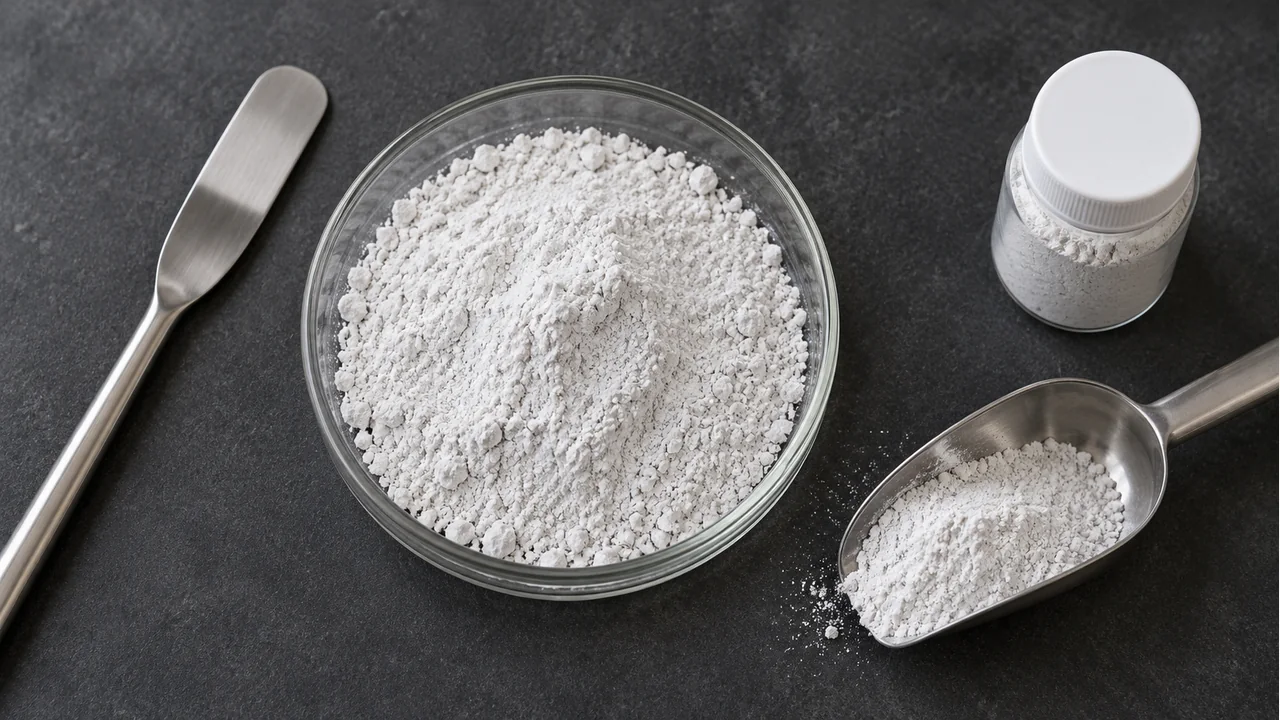
Lime names
Keep quicklime and hydrated lime distinct.
Liquid trials
Do not establish gas-solid performance.
Removal claims
Need the actual tested scope.
Quicklime Formation Through to Hydrate Finishing
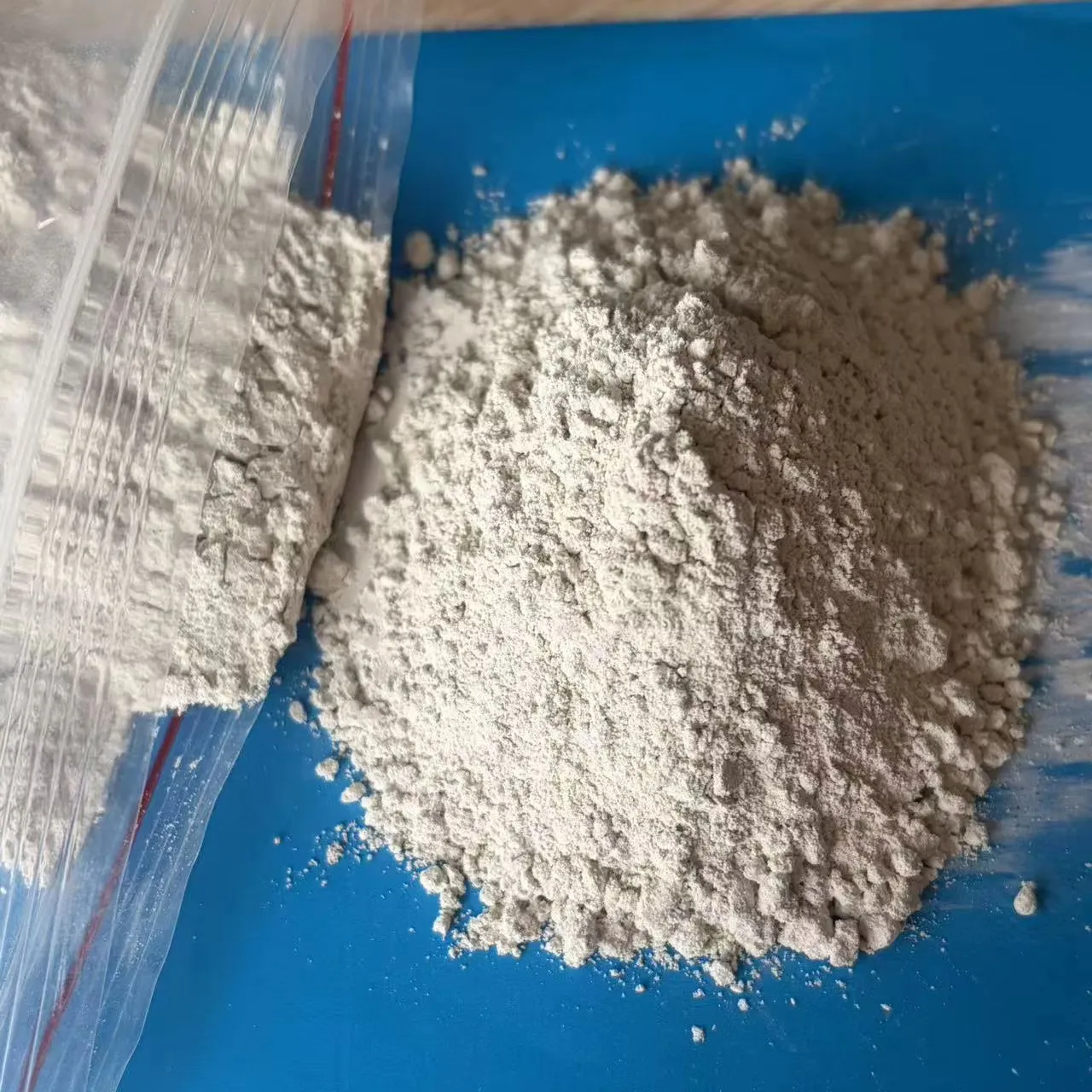
Quicklime hydration creates the hydrate, and finishing determines the powder condition supplied to the treatment system. Fineness and relevant surface characteristics need their own measurement basis; Ca(OH)2 assay does not describe them completely. Connect the proposed powder data with the plant's gas and equipment conditions rather than transferring a generic laboratory or industrial efficiency claim.
Prepare the limestone
Starting material chemistry is part of the lime-production specification.
Create quicklime
Calcination converts the carbonate into quicklime before hydration is considered.
Hydrate the material
Controlled addition of water produces hydrated lime as a distinct supplied material.
Finish the powder
Size control and handling determine the hydrate condition offered to the buyer.
- Form
- CaO and Ca(OH)2 need separate product identities.
- Reactivity
- Retain the actual method where available content or reaction behaviour matters.
- Duty
- Connect fineness and relevant surface evidence with the specific treatment equipment and conditions.
Repeat Supply with a Clear Scope
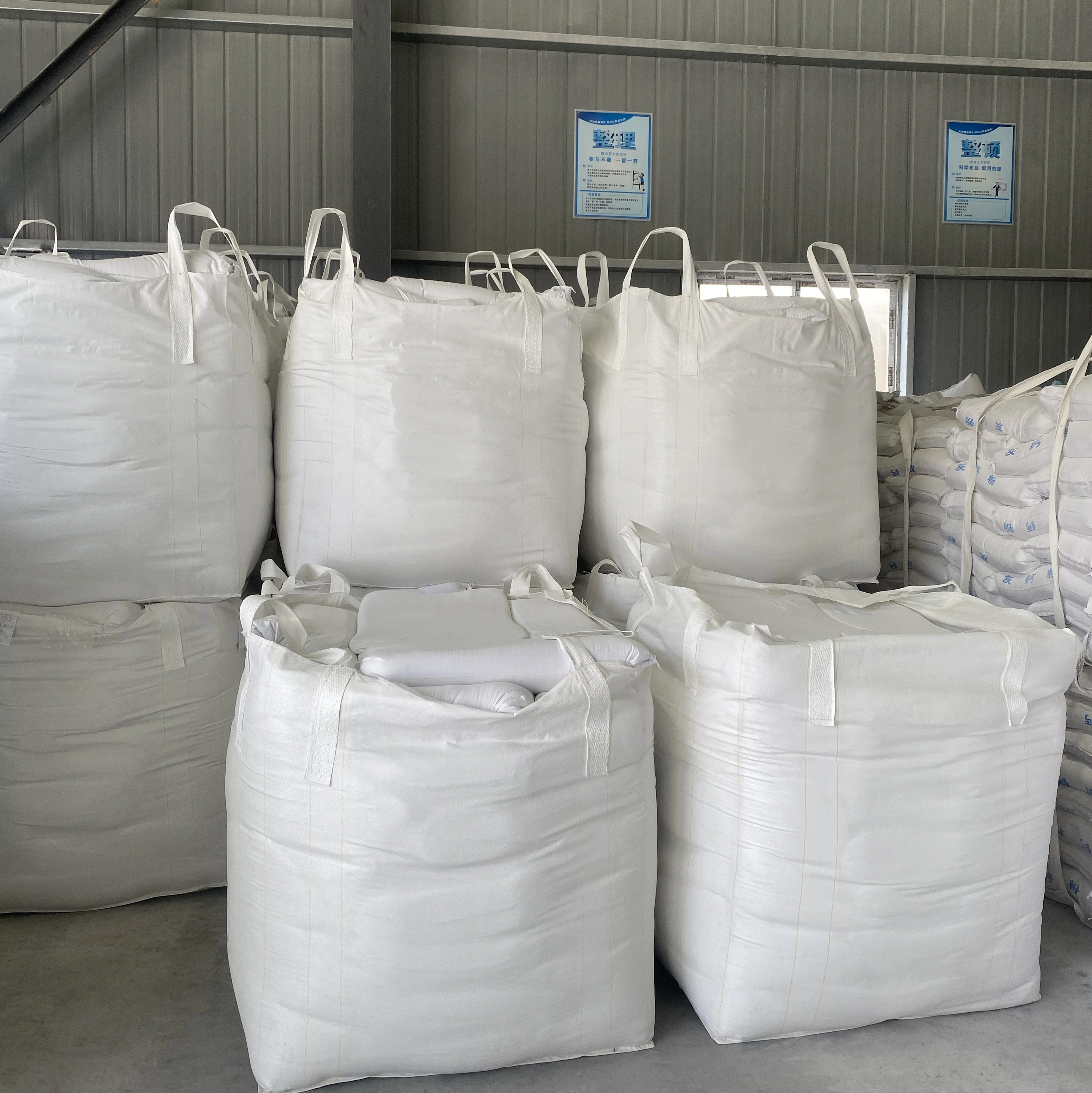
Keep the approved powder specification and plant reference together. We discuss packaging and supply against that proposal. Changes in fineness, source or feed conditions can then be reviewed with the same acceptance basis.
Continue Your Material Selection
If you buy lime for acidic wastewater, decide between quicklime and hydrated lime with your preparation and dosing equipment in view.
If lime is being purchased for sludge conditioning or stabilisation, define the accepted sludge result before comparing CaO grades.
If a promising sample needs to become a repeat purchase, make the approval record as clear as the trial result.
Start with Your Material Brief
Send us the details below to review a concrete grade proposal and the next evaluation step.
- Application and process
- Material: Hydrated lime identity
- Material and grade
- Your current grade or one of the relevant product links above.
- Important requirements
- Powder: Distribution and relevant impurities; Evidence: Reaction and plant-relevant assessment
- Purchase scope
- Trial or order quantity, preferred package and destination.
Qingdao Relia Industries Co., Ltd. · China manufacturing of industrial minerals, chemicals and the listed packaging products.
10 / 11Speak with Our Materials Team
Qingdao Relia Industries Co., Ltd.
Tell Relia the material, application, required grade, quantity and destination. Include the product link or the key limits you already use, so the next conversation starts with a concrete proposal.
Phone
+86 18561762631Call to discuss your enquiry.Qingdao contact address
Shuyuan Road, Qingdao,Shandong, ChinaQingdao contact address for the company.