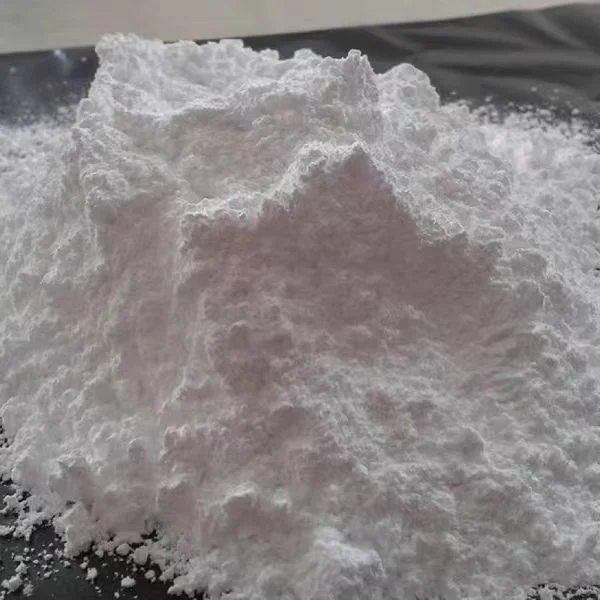
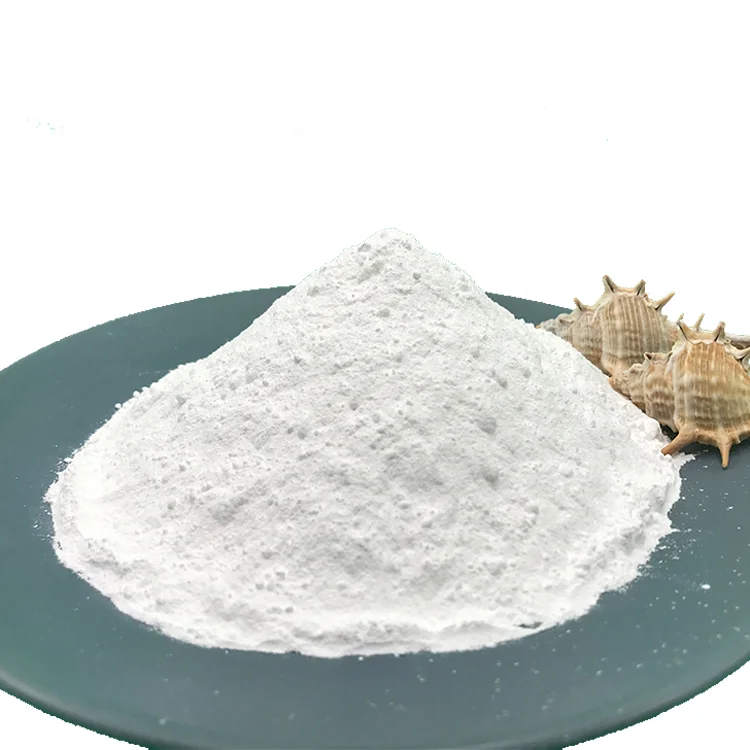
Precipitated Barium Sulfate for High-Gloss Topcoats
If you buy precipitated barium sulfate for an automotive or industrial liquid topcoat, focus on the particle population that reaches the finished film.
Relia lists BaSO4 grades with different assay and size information.
- Topcoat
- Binder and application conditions
- Particles
- Distribution and coarse residue
- Film
- Gloss and appearance criteria
A Factory Proposal for Your Application
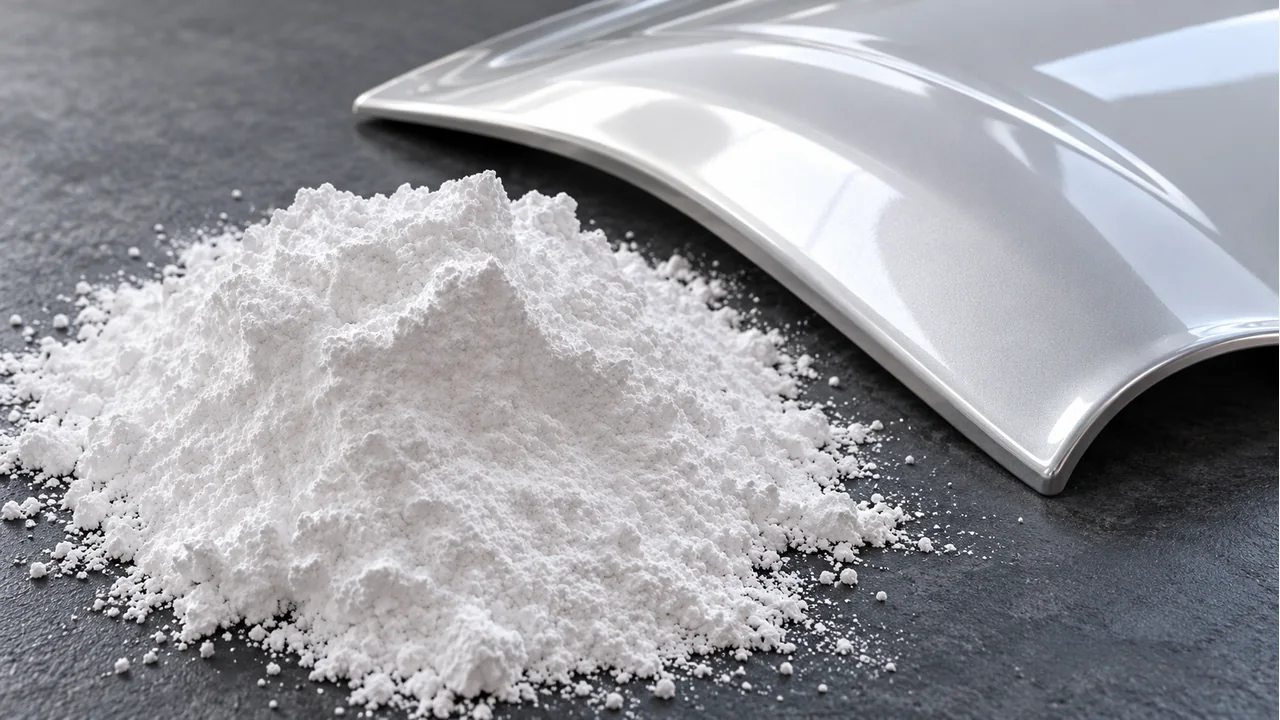
Relia manufactures precipitated barium sulfate materials in China through its own factories.
We can review the topcoat enquiry against your binder, grind process and finish limits. Give us the current extender and any grit, gloss or appearance problem you need to avoid. The proposed precipitated grade should keep its assay, particle measurements and supplied powder condition together in the comparison.
Topcoat
Binder and application conditions
Particles
Distribution and coarse residue
Dispersion
Relevant processing assessment
Film
Gloss and appearance criteria
The Liquid Topcoat Task
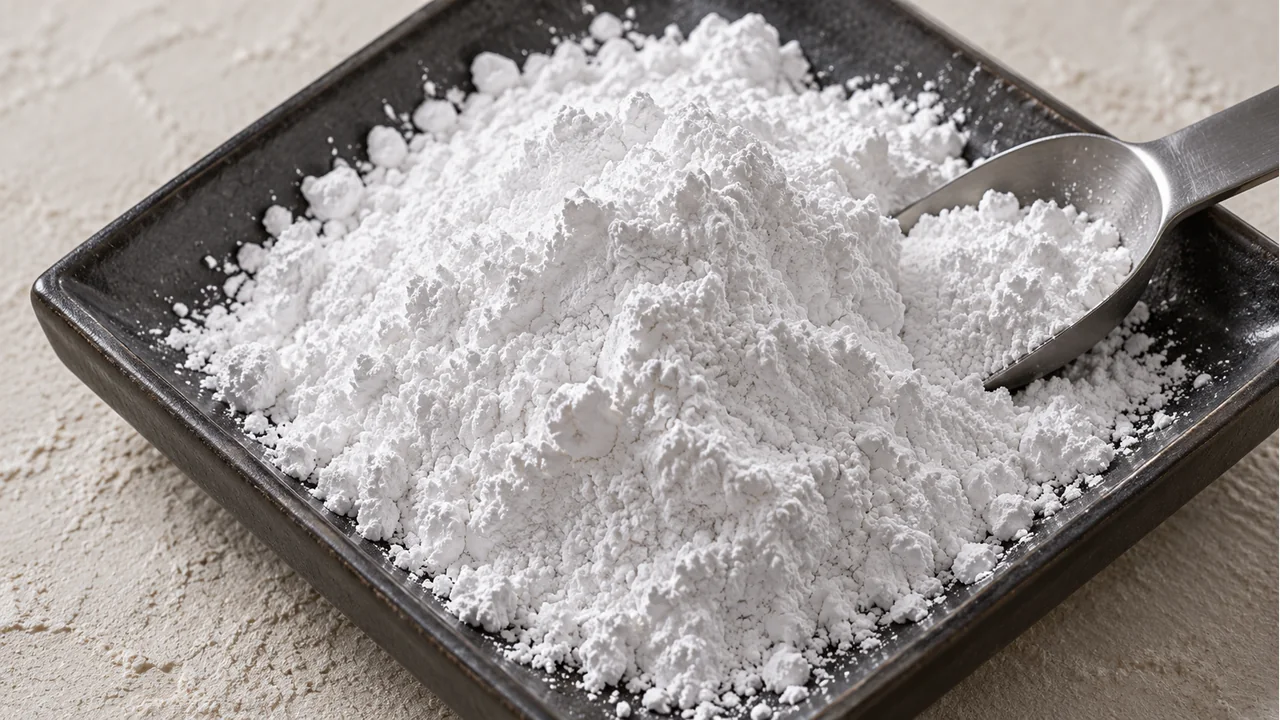
A smooth automotive coating puts particular attention on dispersion and visible defects. We can begin with an automotive-positioned precipitated BaSO4 entry, XM-M500 and the 0.7 micron D50 grade. The useful distinction is the offered particle and surface specification, followed by results in your own coating system.
Binder and application conditions
Distribution and coarse residue
Gloss and appearance criteria
Extender Candidates for an Automotive Finish
| Review area | Listed data and acceptance basis | Use in your selection |
|---|---|---|
| Automotive entry · 6595 | The listing states greater than 85% purity. Obtain a complete grade analysis before comparing it with higher-assay entries. | Keep chemical identity, assay basis and the actual offered grade in the same specification. |
| XM-M500 · 6015 | The title states 98% minimum purity and D50 0.5 micron. Confirm treatment and the coarse-particle tail. | Use the same particle measurement basis, then review dispersion and the result in your process. |
| BaSO4 · 5836 | The listing states 98.5% minimum purity and D50 0.7 micron. A similar median does not prove the same distribution. | Use the same particle measurement basis, then review dispersion and the result in your process. |
| Finish criteria | Agree dispersion, gloss, colour, visible defects and any appearance measurement used for the actual coating layer. | Match the stated measurement method and compare the appearance in your finished material. |
Relevant Grades for Your Shortlist
Use these listed candidates to start a grade-specific discussion with us.
A Finish-Based Trial
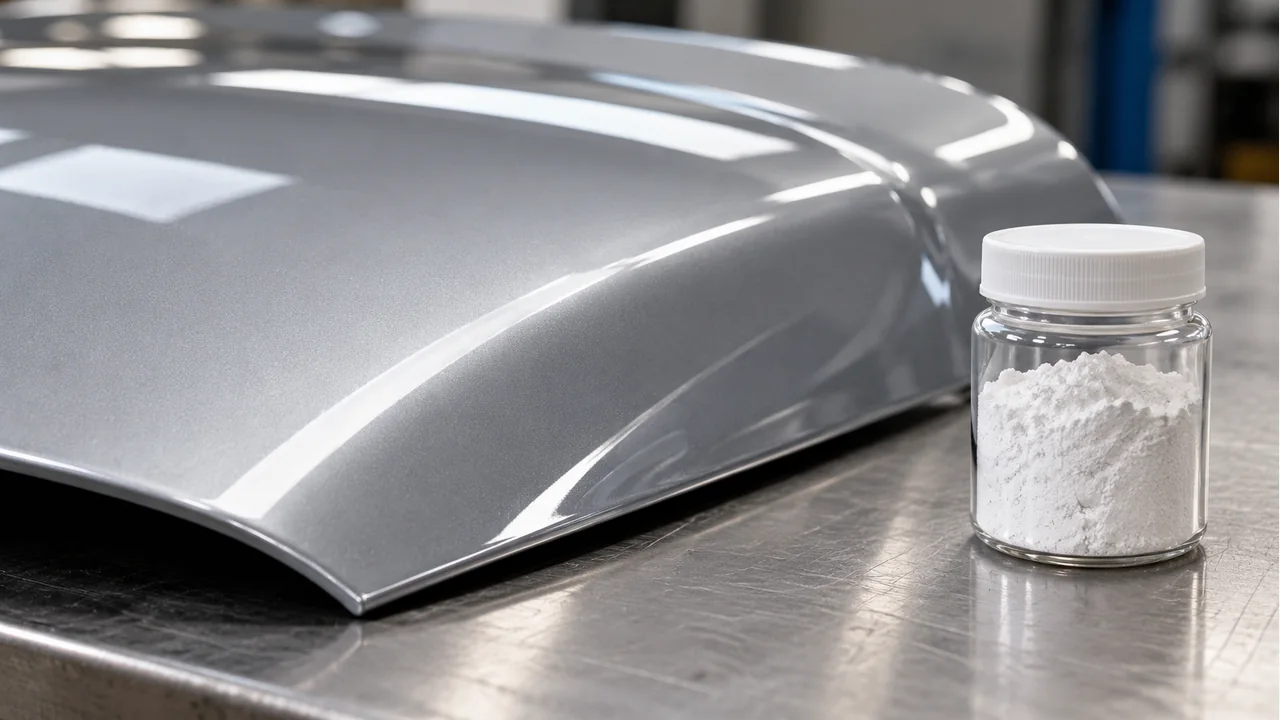
Use the intended primer, basecoat or other specified layer rather than a generic paint panel. Compare dispersion and appearance after the agreed application and cure. Keep any coarse defects visible in the result; a fine D50 alone can hide the reason a candidate misses the required finish.
Powder approval
Does not qualify a liquid topcoat.
Average size
Does not describe every coarse particle.
Replacement
Use a shared finish reference.
Precipitation, Washing and Powder Finishing
Precipitation establishes the primary particles; separation, washing, drying and finishing determine the powder presented to the coating process. A fine primary particle can still arrive as an agglomerate. Link the proposed distribution and residue requirements to a consistent dispersion method and a finished-film inspection before accepting a topcoat grade.
Define solution chemistry
A soluble barium source and sulfate source form the BaSO4 precipitate; the actual production route belongs to the offered grade.
Form the particles
Mixing and precipitation conditions influence nucleation, growth and the population of particles.
Separate and wash
Solid–liquid separation and washing address solution residues carried with the precipitate.
Finish and disperse
Drying and finishing create a supplied powder that still needs a defined dispersion and coarse-particle comparison.
- Primary size
- Distinguish primary particle information from dispersed-powder measurements.
- Residue
- Agree the test that identifies problematic coarse material.
- Appearance
- Compare the final liquid-coated panel with the correct film and application conditions.
Replacement with a Reference
An approved panel and grade specification make later comparisons clearer. We discuss replacement or repeat supply against that record. A different particle profile or treatment should be reviewed before becoming a routine order.
Choose the Next Useful Guide
If you need a filler candidate for high-gloss powder coating, compare barium sulfate by grade, coarse tail and dispersion rather than by route alone.
If you formulate white ink, treat TiO2 and barium sulfate as two raw-material decisions within one printed result.
If a high-solids coating becomes too viscous as filler loading rises, compare wetting and particle behaviour in the complete binder system.
Start with Your Material Brief
Send us the details below to review a concrete grade proposal and the next evaluation step.
- Application and process
- Topcoat: Binder and application conditions
- Material and grade
- Your current grade or one of the relevant product links above.
- Important requirements
- Particles: Distribution and coarse residue; Film: Gloss and appearance criteria
- Purchase scope
- Trial or order quantity, preferred package and destination.
Qingdao Relia Industries Co., Ltd. · China manufacturing of industrial minerals, chemicals and the listed packaging products.
10 / 11Speak with Our Materials Team
Qingdao Relia Industries Co., Ltd.
Tell Relia the material, application, required grade, quantity and destination. Include the product link or the key limits you already use, so the next conversation starts with a concrete proposal.
Phone
+86 18561762631Call to discuss your enquiry.Qingdao contact address
Shuyuan Road, Qingdao,Shandong, ChinaQingdao contact address for the company.