
Compare Mineral Filler Quotes by Formulation Cost
Choose an imported filler after it passes your material and finished-product requirements. Then compare delivered cost per accepted dry kilogram, the complete recipe, and cost per acceptable output. A cheaper powder per tonne can change binder demand, processing or the amount of saleable material. Keep those effects visible before approving a Chinese factory's proposal.
Build a comparable filler enquiry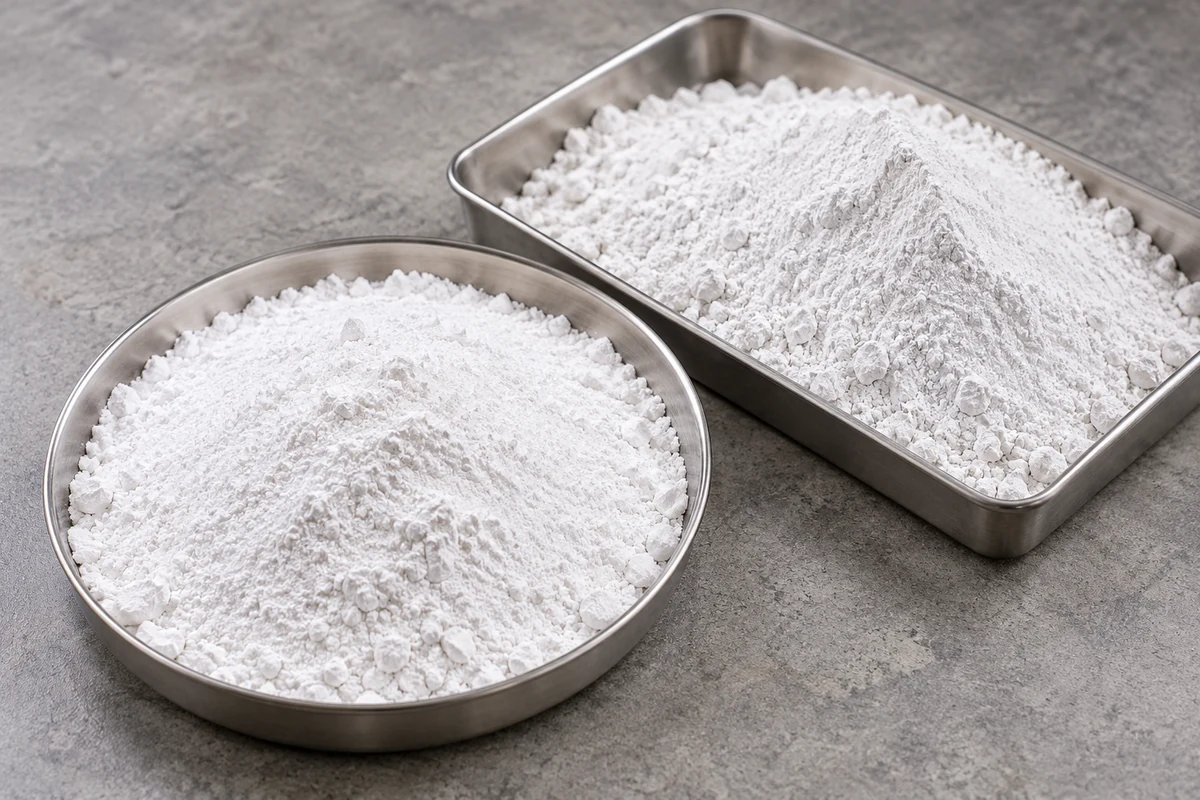
Define a Grade Before Discussing Its Price
Relia manufactures the listed mineral and chemical categories through its own factories in China. For carbonate, Relia uses dry and wet GCC routes, PCC calcination, slaking and carbonation, and surface coating for selected grades. These routes inform the grade discussion; they do not establish a universal replacement ratio.
We can review your current specification, candidate model and purchase scope together. Actual packing, quantity, delivery terms and testing requirements belong in the offer. Our carbonate manufacturing guide explains the confirmed process boundaries.
Material
Model, route, treatment and acceptance limits.Order
Net quantity, package and delivery scope.Evidence
Current grade documents and relevant trial.Separate Net Dry Mass from Shipping Weight
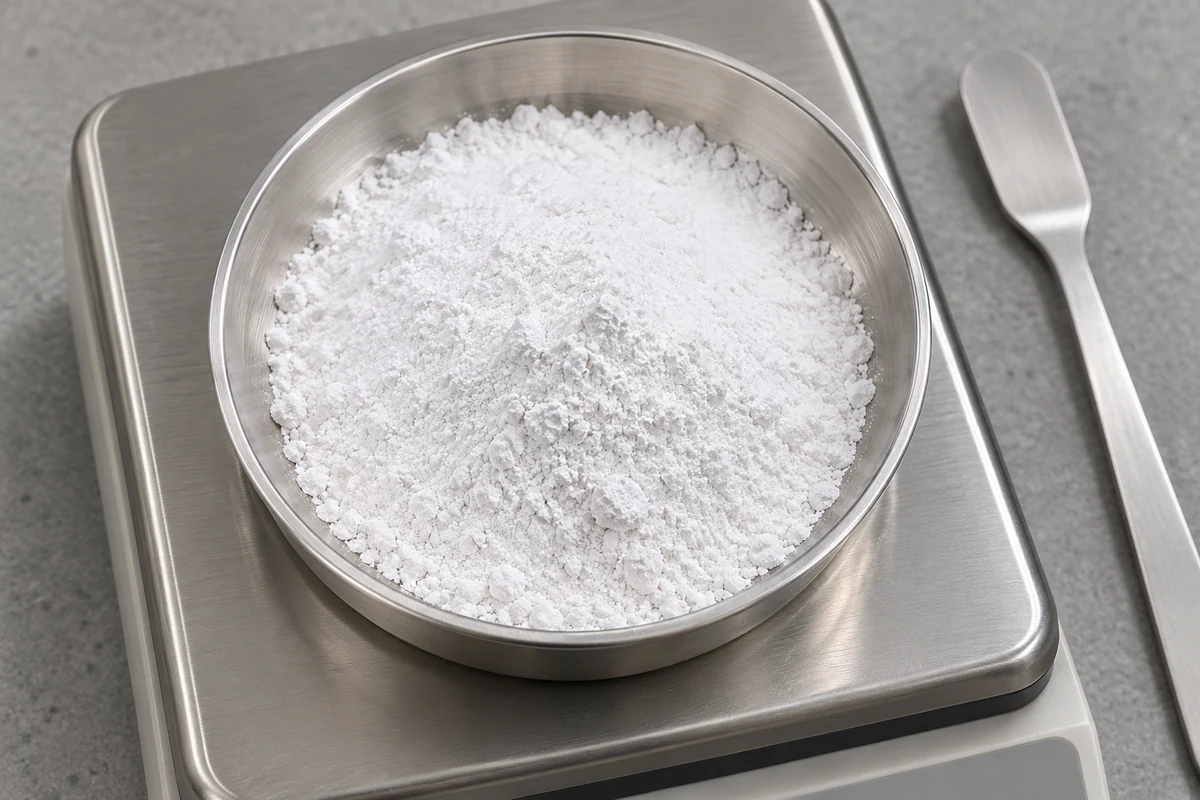
Exclude packaging tare from material mass. For accepted material with a validated wet-basis moisture fraction x, dry mass is accepted net as-received mass × (1 − x). Specify sampling, drying conditions and reporting basis. Loss on drying can include volatiles other than water; it is not automatically a water-specific result.
Rejected material remains a quality issue, not usable mass. Track its cost or credit explicitly. Use the powder moisture and caking checks before interpreting the denominator.
Make the Delivery Scope Comparable
Bring each offer to the same destination and evaluation date. Include only the charges relevant to the agreed comparison and show uncertain items separately. Avoid adding freight twice when it is already included. A combined shipment still needs an allocation rule for each material line.
Our coatings raw-material consolidation guide keeps individual grade approval separate from shipment coordination.
Keep Weight Loading Separate from Volume Loading
For constituent i, volume is mass ÷ appropriate material density. Mass fraction is mᵢ / Σm; volume fraction is (mᵢ/ρᵢ) / Σ(m/ρ). Use compatible units and grade-specific data. Loose or tapped bulk density includes the powder bed's void space and serves a different purpose.
| Comparison | Required basis |
|---|---|
| Recipe weight share | Component mass / total defined recipe mass. |
| Coating pigment volume concentration | Pigment and filler volume / total nonvolatile coating volume, including binder solids. |
| Bag or silo occupancy | Appropriate bulk-handling measurement; not pigment volume concentration. |
Equal-weight substitution does not preserve volume loading, packing or performance.
Count Every Ingredient That Changes
Record actual additions of filler, pigment, binder, dispersant, carrier and other ingredients. If a powder change needs a different additive level or resin quantity, include that change in the recipe cost. State whether quantities are as supplied or on a solids basis, and convert consistently.
For white paint, our TiO₂ efficiency trial guide covers the optical comparison. For viscosity-limited coatings, use the high-solids filler evaluation alongside this cost worksheet.
Apply Quality Gates Before Ranking Costs
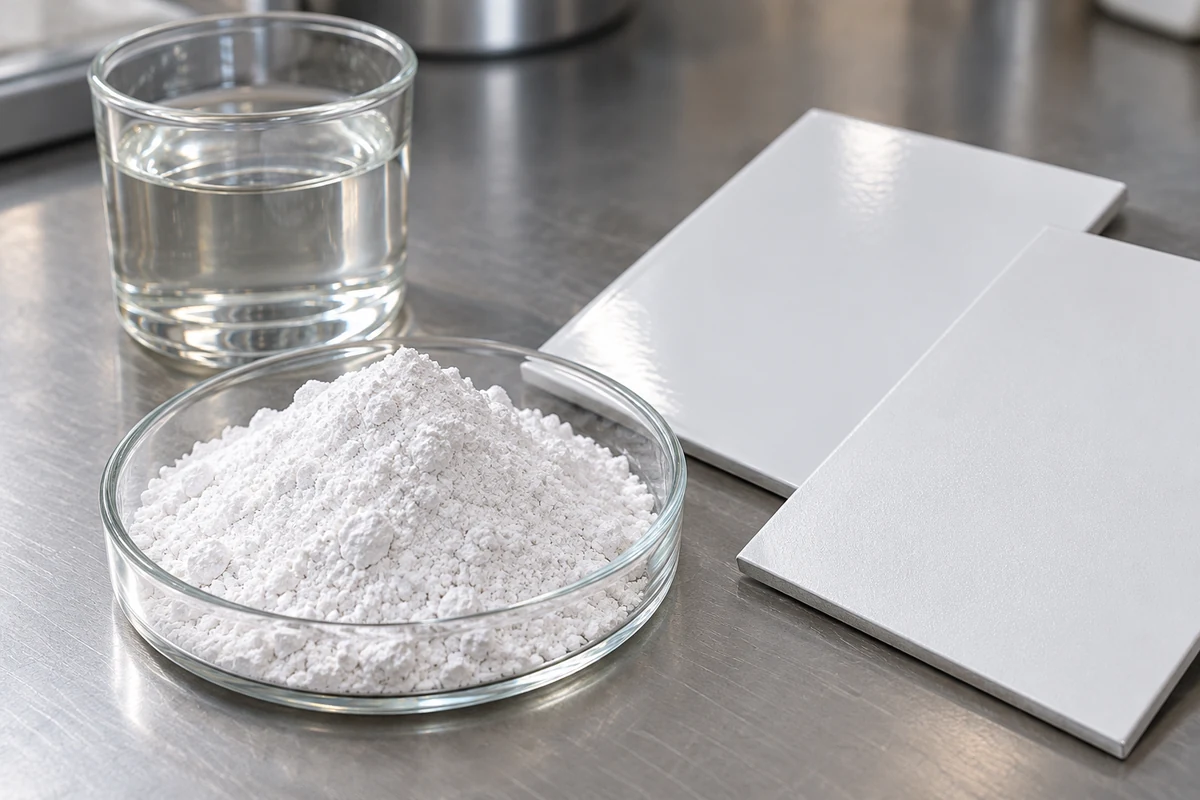
Set mandatory limits before receiving results. Keep the same control, test conditions and acceptance endpoints. Do not assign a favourable score to missing evidence or let a lower quotation compensate for a failed requirement.
| Application | Evidence to agree |
|---|---|
| White coating | Opacity at defined film conditions, colour, finish and relevant durability. |
| Plastic compound | Processing conditions, appearance and required mechanical properties. |
| Repeat imported powder | Identity, composition, particle and moisture limits with named methods. |
Connect powder appearance to the whiteness and colour consistency checks, then verify the finished material.
Carry Specific Grade Facts into the Shortlist
These entries start separate material enquiries. They are not interchangeable approvals or a density-based ranking.
XM300 carbonate
Stated 99% purity. Particle figures need their units and methods; confirm the offered production route and treatment.Review XM300's powder specificationXM-PB07 sulfate
Precipitated BaSO₄; ≥98.5% purity and D50 0.7 μm. Obtain the full distribution and relevant density data.Review XM-PB07's grade dataIndustrial talc
14 μm size and 95% whiteness designations. Define the size statistic, mineral analysis and measurement methods.Review the talc enquiry criteriaMeasure Cost per Acceptable Output
Add actual conversion costs that change: mixing or dispersion time, energy, drying, screening, cleaning and documented rework. Divide by measured acceptable output under the agreed criteria. Record rejected output and genuine recovery separately; do not invent a yield benefit.
Choose an output unit that fits the product: accepted kilograms, conforming parts, or coated area at the required film result. Keep the same unit for both candidates. Laboratory results need appropriate production validation before routine supply.
Send a Brief That Technical and Purchasing Teams Can Share
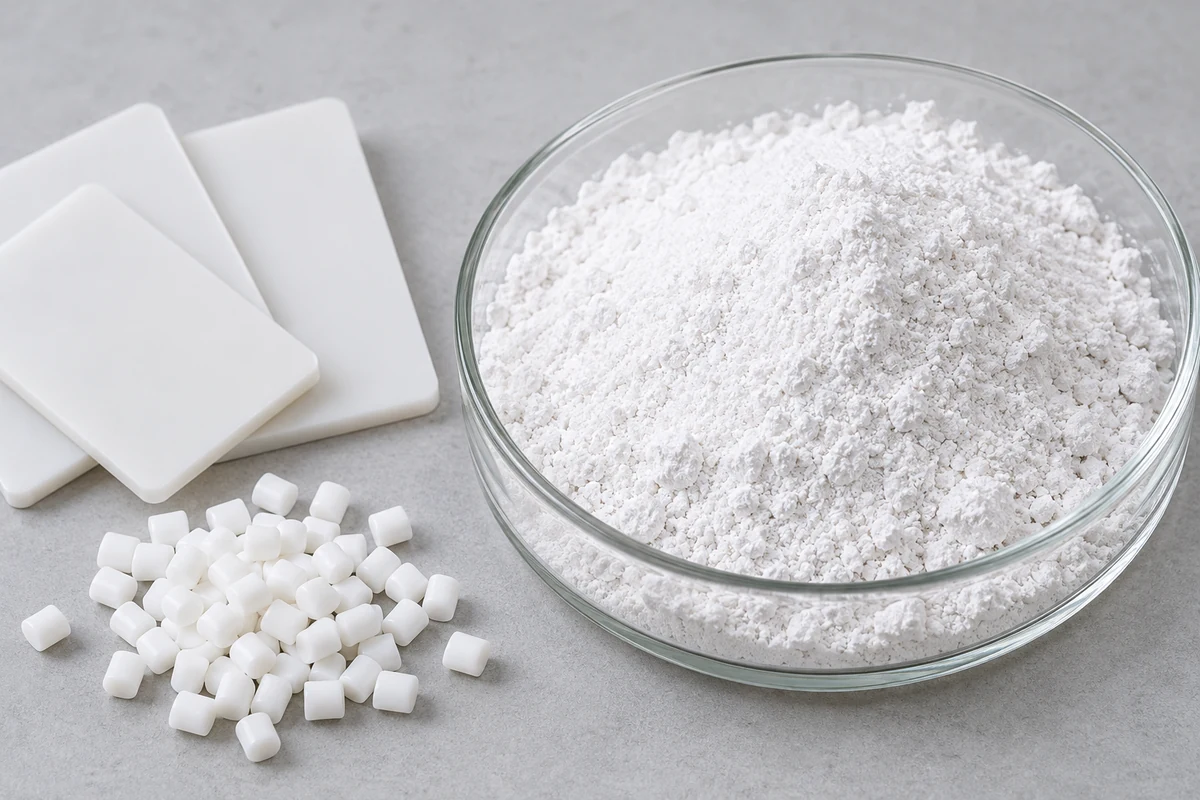
Share the current grade, application, mandatory limits, candidate quantity, packaging and destination. Include available density and moisture methods, the full recipe basis and the output acceptance unit. Identify missing facts rather than filling them with generic mineral values.
Measurement references: drying method and reporting basis; nonvolatile volume and density calculations; wetting, mechanical dispersion and stabilization. These explain principles, not Relia batch results.
Start with Your Filler Comparison
Qingdao Relia Industries Co., Ltd.
Send the product links and the purchase decision your team needs to make.