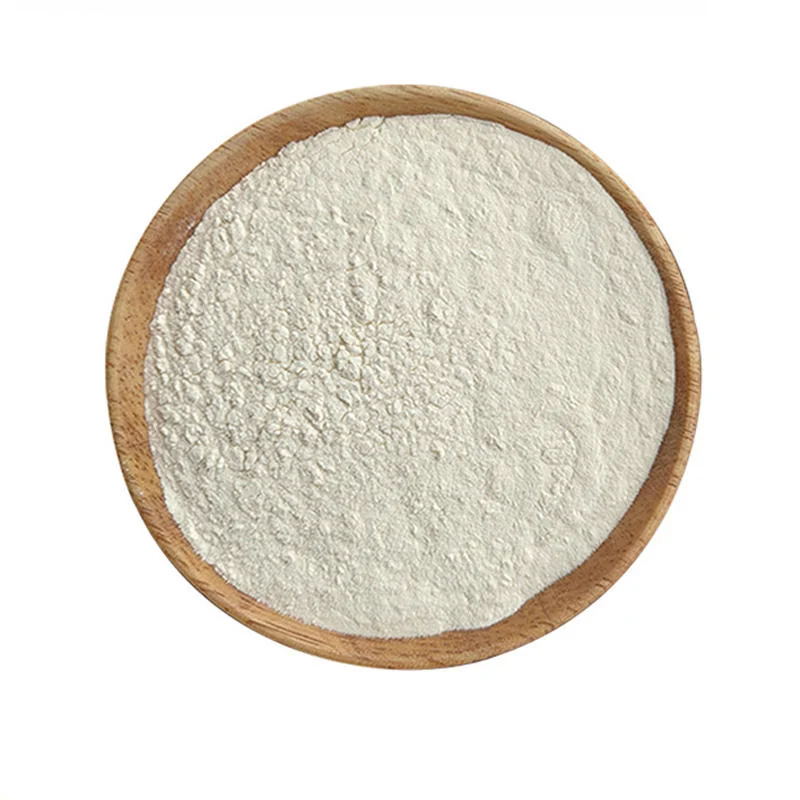
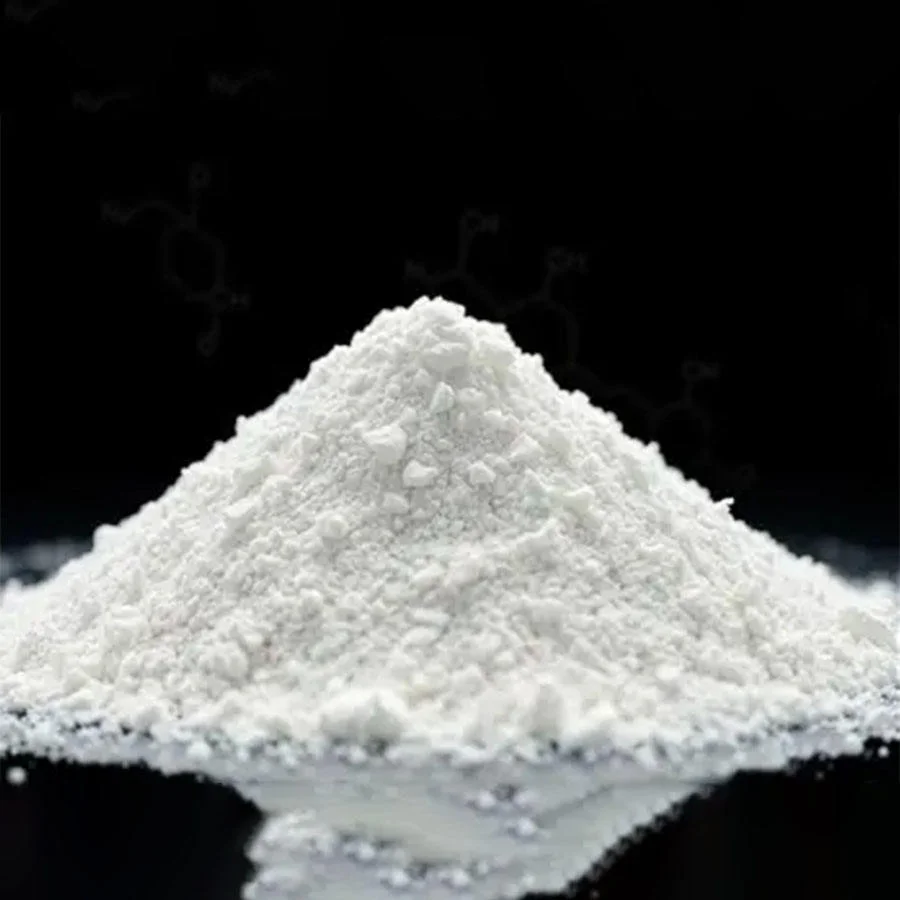
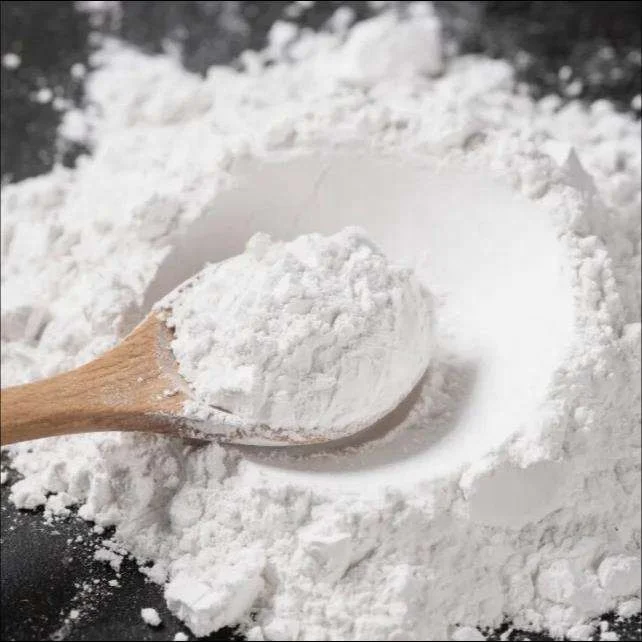
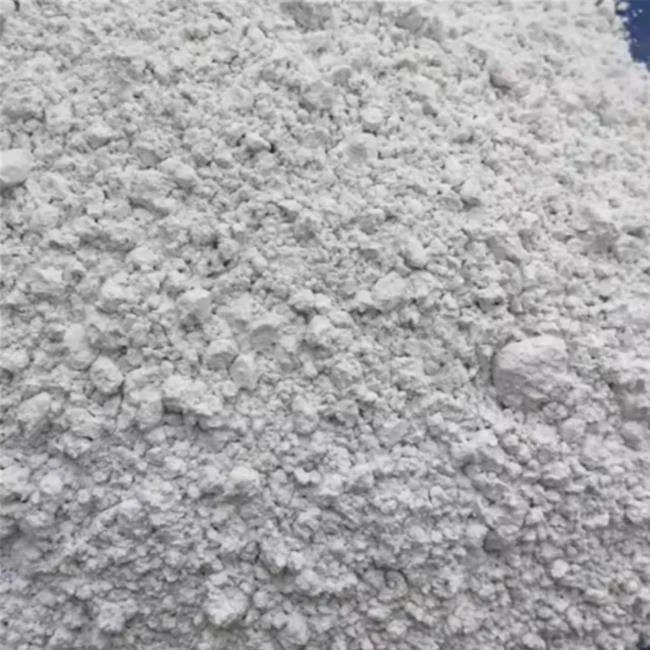
Calcium Oxide Quicklime White Powder, 70%-99% Range for Custom Purity and Mesh Enquiries
-
Particle-size designationMesh designationColorWhite
-
Physical formPowder
-
CAS No.1305-78-8Purity70%-99%
-
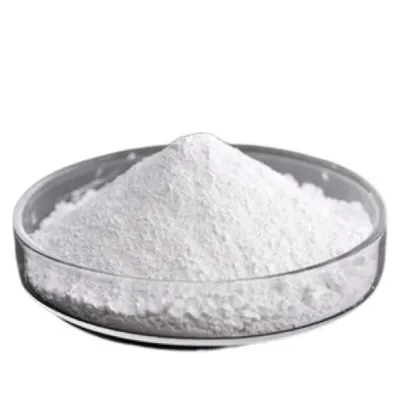
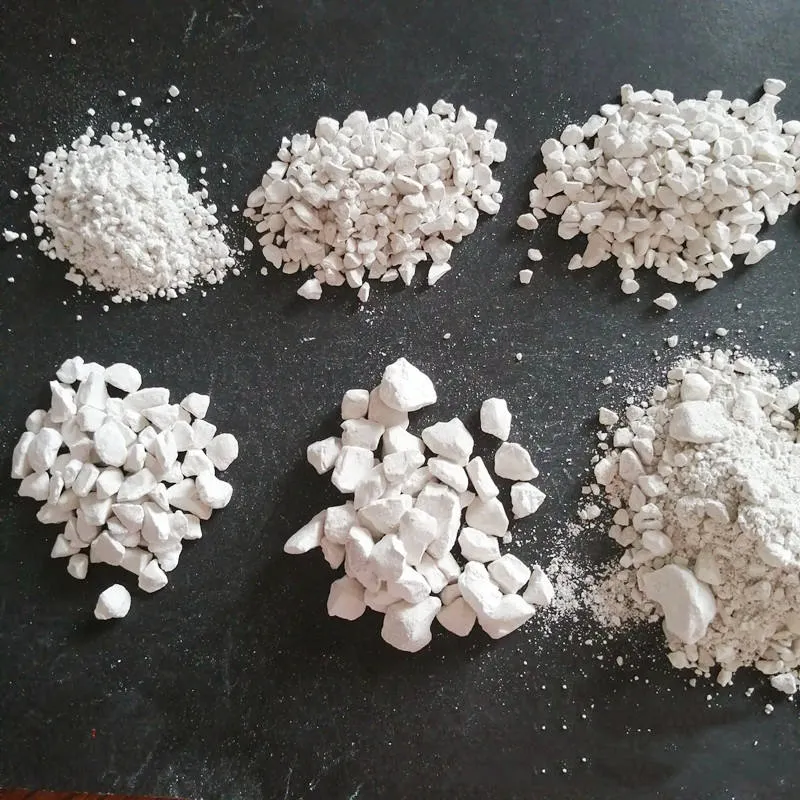
Appearancewhite powderApplicationMultifunctional
-
ClassificationCalcium OxideEINECS No.215-138-9
-
Grade StandardIndustrial Grade, Food GradeMolecular FormulaCaO
-
Other NamesQuicklime
A broad quicklime range becomes useful when it is turned into a precise material request. This calcium oxide white powder has a stated 70%-99% purity range and is offered for purity-and-mesh enquiries. The next decision concerns the actual grade that can be specified and documented for the buyer's application.
Define one proposed assay rather than an entire range
State the purity requirement and the acceptance limits relevant to the project. Ask which individual grade can be supported by a technical specification and batch analysis. A broad range does not establish that every intermediate assay is available or that a proposed batch has a particular value.
Give the mesh request a measurement basis
Identify the particle information the application needs instead of relying on the word custom alone. Request the selected grade's mesh or particle test method and its actual results. Chemical assay and fineness are separate requirements, so neither should be used as a substitute for the other.
- Describe the intended use and required chemical assay.
- Specify the relevant particle measurements and test basis.
- Confirm the actual grade and documents before sample acceptance.
Keep the CaO identity linked to the offered grade
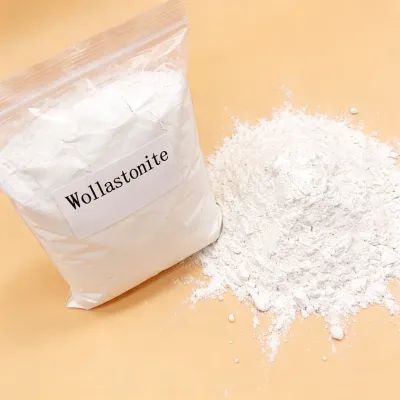
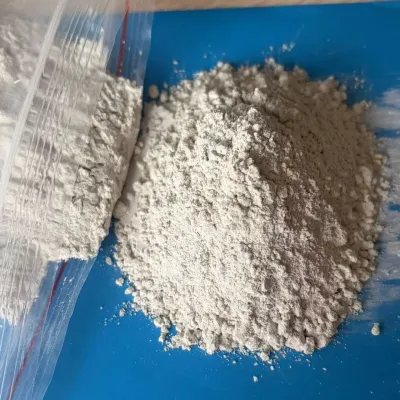
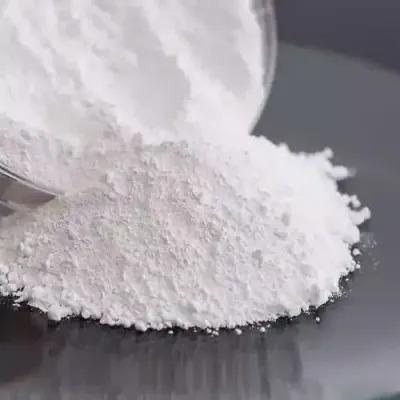
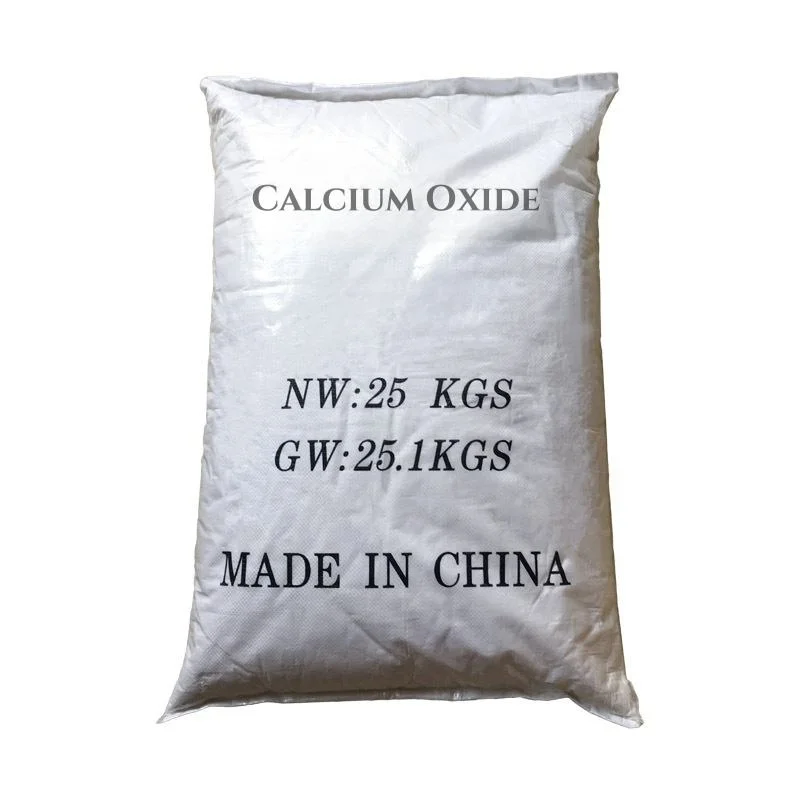
The material is calcium oxide, CaO, also named quicklime, with supplied CAS 1305-78-8. Its visible form is white powder. Attach that identity to the proposed specification and the relevant handling documents so that the enquiry refers to a defined material.
Application suitability and any food-related qualification need their own grade-linked evidence. Neither a wide purity range nor customization wording supplies that approval. A complete sample brief should therefore join the confirmed assay, particle requirements and intended-use documents before a purchasing decision is made.